Incregen Therapeutics LLC has advanced INC-118, a glucose-dependent insulinotropic polypeptide (GIP) ligand antagonist designed to address long-term obesity management, into IND-enabling studies.
Human respiratory syncytial virus (hRSV) represents a major global health burden and is a leading cause of severe respiratory disease, particularly among preterm infants. Despite extensive efforts to prevent hRSV infection, currently approved monoclonal antibody (mAb) therapies have been exclusively designed to target its surface fusion or pre-fusion protein (F-hRSV).
Ottimo Pharma Ltd. has obtained IND clearance from the FDA and advanced OTP-01 (jankistomig), an anti-PD-1/VEGFR2 antibody, into phase I for solid tumors. The first patient has been dosed and the study is open at sites in the U.S. and Australia.
Nucleome Therapeutics Ltd. has nominated NTP-464 as its first preclinical development candidate and is advancing the program toward IND-enabling studies. The first-in-class monoclonal antibody agonist for inflammation resolution has broad applicability across major chronic inflammatory diseases.
Pilatus Biosciences Inc. has obtained IND clearance from the FDA for PLT-012, a first-in-class anti-CD36 monoclonal antibody, for the treatment of solid tumors. Pilatus plans to initiate a first-in-human phase I trial with this metabolic checkpoint antibody in the first quarter of next year.
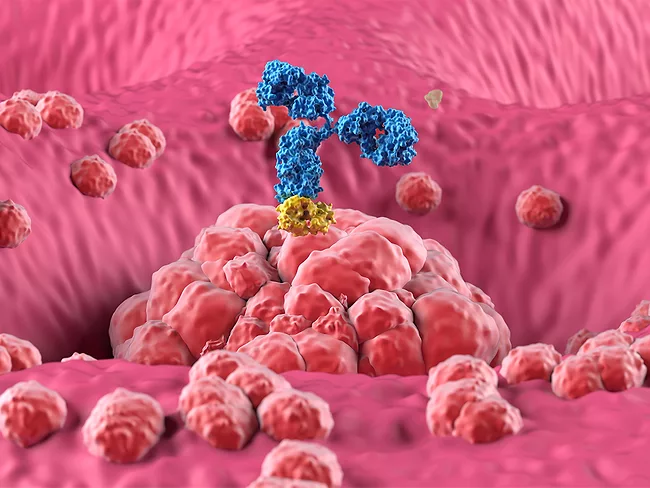
Researchers from the Wuhan Institute of Virology and collaborating institutions aimed to shed light on the physiological role of mesothelin (MSLN) and to identify antibodies that directly inhibit its function in tumor progression.
Crescent Biopharma Inc. has announced a new partnership with Sichuan Kelun-Biotech Biopharmaceutical Co. Ltd. and reported progress across its pipeline, with three distinct programs set to enter the clinic next year.
Neurimmune AG has expanded its transthyretin amyloid cardiomyopathy (ATTR-CM) collaboration with Alexion, Astrazeneca Rare Disease by entering into an exclusive global collaboration and license agreement to develop NI-009, a fibril depleter for light chain (AL) amyloidosis.
CSPC Pharmaceutical Group Ltd. has gained clinical trial clearance from China’s National Medical Products Administration (NMPA) for JMT-206 for weight management in individuals with obesity or overweight and at least one weight-related comorbidity.
A disrupted balance between T-effector and T-regulatory cells, together with the activation of autoreactive or alloreactive B cells that generate pathogenic antibodies, is a defining feature of autoimmune diseases and transplant rejection and contributes to their often poor outcomes.
 RSS
RSS