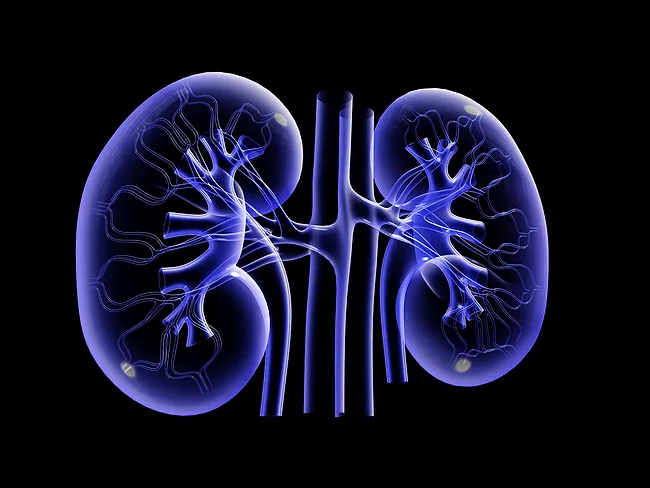
The priority BLA from Otsuka Pharmaceutical Co. Ltd., of Tokyo, and its U.S. subsidiary, Otsuka Pharmaceutical Development & Commercialization Inc., for sibeprenlimab to treat immunoglobulin A nephropathy (IgAN) has received accelerated approved by the U.S. FDA.
Bluejay Therapeutics Inc.’s lead compound, the fully human monoclonal antibody brelovitug (BJT-778), produced positive virologic response data in the company’s phase II study of chronic hepatitis D virus, a condition with no approved treatment in the U.S.
A primary endpoint failure but with outstanding estimated glomerular filtration rates and impressive safety data in the phase II trial called Bestow are adding up to plans for later-stage work with Eledon Pharmaceuticals Inc.’s tegoprubart (tego) for preventing rejection in de novo kidney transplant.
Takeda Pharmaceutical Co. Ltd.’s anti-CD38 antibody, mezagitamab (TAK-079), sustained kidney function up to 18 months after treatment ended in patients with primary immunoglobulin A (IgA) nephropathy, showing early signs of disease modification in a phase Ib study presented at the American Society of Nephrology’s Kidney Week 2025 in Houston.
The $12.5 billion acquisition of Avidity Biosciences Inc. by Novartis AG strengthens the company’s neuroscience pipeline and marks the second biggest deal that’s been announced this year. It also is the fifth M&A deal in the past five weeks to top the $1 billion mark, a sign that the market may be strengthening.
Inhibrx Biosciences Inc.’s monoclonal antibody for treating advanced or metastatic, unresectable chondrosarcoma hit its primary endpoint in a registrational phase II study, doubling the company’s stock on Oct. 24. Top-line data from the placebo-controlled study of ozekibart (INBRX-109) produced statistically significant and clinically meaningful improvement in median progression-free survival in a tough-to-treat patient population that has few remaining options.
The failure of Alector Inc.’s phase III study of latozinemab in treating dementia halved the company’s stock on Oct. 22. That is also about the same percentage of staff that Alector is letting go after the clinical trial stumble.
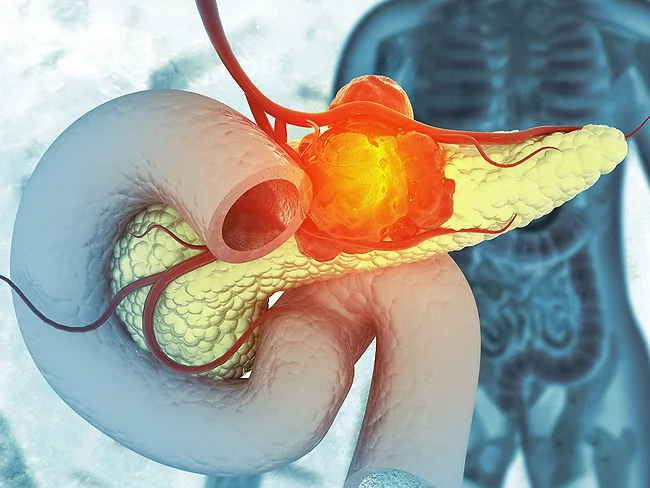
Astellas Pharma Inc. reported Oct. 14 that its CLDN18.2-targeting monoclonal antibody, zolbetuximab (Vyloy), did not meet the primary endpoint of overall survival in the phase II Gleam trial of patients with advanced pancreatic cancer.
Biocryst Pharmaceuticals Inc.’s near-term dilution should “pave the way for entrenchment” in the hereditary angioedema (HAE) space, thanks to the buyout of Astria Therapeutics Inc., RBC analyst Brian Abrahams said.
A top-line readout of the 26-week phase IIa Cbeyond trial showed nimacimab, Skye Bioscience Inc.’s peripherally restricted CB1 inhibitor antibody for weight loss, fell short of statistical significance as a monotherapy vs. placebo on the primary endpoint of weight loss, sending the company’s shares down 60%. Skye executives, however, offered a more optimistic outlook for the findings, which they said provide clear direction for moving forward.
 RSS
RSS




.webp?height=488&t=1761340082&width=650 "Ozekibart-(INBRX-109)")