Generate Biomedicines Inc. proved that enthusiasm hasn’t waned for TSLP as a target by pricing an IPO selling 25 million shares at $16 each for proceeds of $400 million. Generate’s lead compound is phase III-stage TSLP-targeting antibody GB-0895 and the company’s assigned Nasdaq ticker is GENB. The offering is expected to close on March 2.
SLAMF6 is an immune cell receptor whose function was not clear. Does it activate or inhibit cells? The results so far have been contradictory. Now, scientists at the Institut de Recherches Cliniques de Montréal have unveiled evidence that SLAMF6, a protein of the SLAM family that binds to copies of itself, is regulated by interactions between molecules of the same receptor within the same cell.
Newco Vesalic Ltd. has formed to take forward research indicating extracellular vesicles secreted by skeletal muscle cells carry toxic payloads that are key drivers of motor neuron diseases, including amyotrophic lateral sclerosis. The discovery of this process, which is largely external to the brain and the central nervous system, has opened up new targeting possibilities, and Vesalic is now working on in vivo studies to demonstrate preclinical proof of concept.
Upstream Bio Inc.’s favorable top-line results from the phase II Valiant trial testing verekitug in adults with severe asthma were not enough to charm Wall Street, and shares of the firm (NASDAQ:UPB) closed Feb. 11 at $14.69, down $13.12, or 47%.
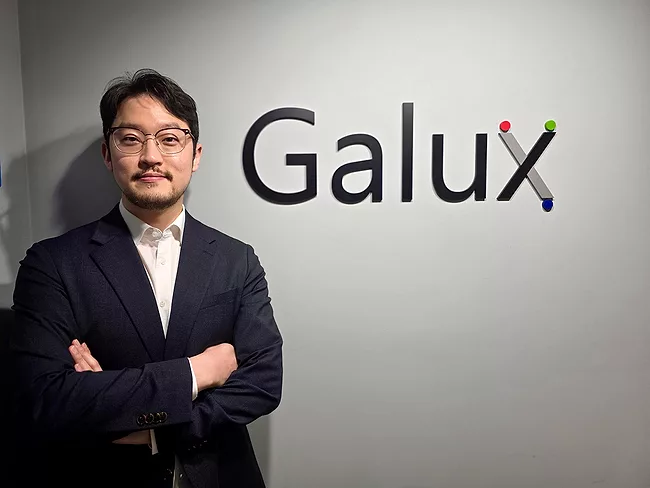
Galux closed a ₩42 billion (US$29 million) series B round Feb. 10, led by Yuanta Investment to bring AI-driven “rational design” to the protein drug development process, already heavily influenced by human engineering.
Bayer AG’s oral factor XIa inhibitor asundexian significantly reduced ischemic stroke by 26% in patients following a noncardioembolic ischemic stroke or high-risk transient ischemic attack in the phase III Oceanic-Stroke study.
Amgen Inc. quit a development deal with Kyowa Kirin Co. Ltd., returning global rights for rocatinlimab, Kyowa Kirin’s T-cell rebalancing therapy being investigated for moderate to severe atopic dermatitis.
Nader Pourhassan, the former president and CEO of Cytodyn Inc., was sentenced Jan. 23 to 30 months in prison for his role in a securities fraud scheme to deceive investors about the Vancouver, Wash.-based company’s development of leronlimab as a treatment for HIV and COVID-19.
The structurally similar cytokines IL-2 and IL-15, and their shared beta subunit CD122, are keeping developers busy across a range of indications. Though some scientific confusion has plagued the space historically, drug candidates have drawn deals and Wall Street interest aplenty. Amgen Inc., Novartis AG, and Incyte Corp. are among those who’ve made their interest known.
Offering $2.2 billion for Rapt Therapeutics Inc. and gaining its long-acting lead drug, ozureprubart, for food allergy and other indications, GSK plc is positioning itself to compete with market leader Xolair (omalizumab), developed by Roche AG’s Genentech unit and Novartis AG.
 RSS
RSS





.webp?height=488&t=1769119579&width=650 "Molecular model of interleukin-15 (IL-15)")