Amgen Inc. quit a development deal with Kyowa Kirin Co. Ltd., returning global rights for rocatinlimab, Kyowa Kirin’s T-cell rebalancing therapy being investigated for moderate to severe atopic dermatitis.
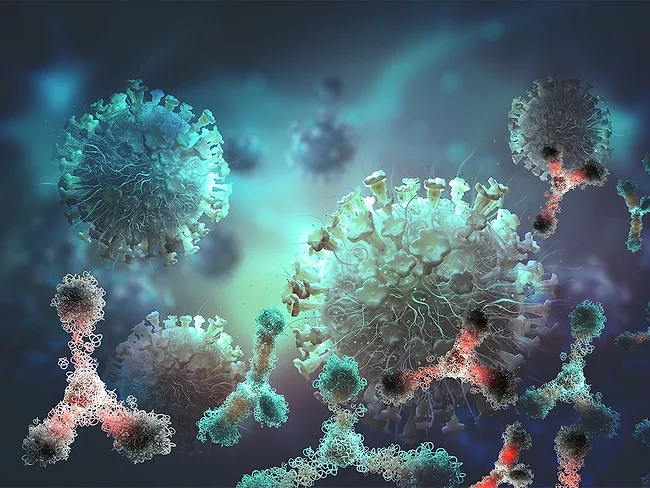
Human respiratory syncytial virus (RSV) and human metapneumovirus (hMPV) can cause severe and lethal bronchiolitis and pneumonia among particularly vulnerable populations, mostly infants, the elderly and immunocompromised patients. Researchers from Vanderbilt University Medical Center have isolated and characterized novel antibodies that cross-neutralize RSV and hMPV.
Nader Pourhassan, the former president and CEO of Cytodyn Inc., was sentenced Jan. 23 to 30 months in prison for his role in a securities fraud scheme to deceive investors about the Vancouver, Wash.-based company’s development of leronlimab as a treatment for HIV and COVID-19.
The structurally similar cytokines IL-2 and IL-15, and their shared beta subunit CD122, are keeping developers busy across a range of indications. Though some scientific confusion has plagued the space historically, drug candidates have drawn deals and Wall Street interest aplenty. Amgen Inc., Novartis AG, and Incyte Corp. are among those who’ve made their interest known.
Offering $2.2 billion for Rapt Therapeutics Inc. and gaining its long-acting lead drug, ozureprubart, for food allergy and other indications, GSK plc is positioning itself to compete with market leader Xolair (omalizumab), developed by Roche AG’s Genentech unit and Novartis AG.
Shanghai Henlius Biotech Inc. has entered into an exclusive global license agreement with U-mab Biopharma (Lianyungang) Co. Ltd., securing rights to a monoclonal antibody (mAb) targeting interleukin-1 receptor accessory protein (IL-1RAP) for inflammatory and autoimmune diseases.
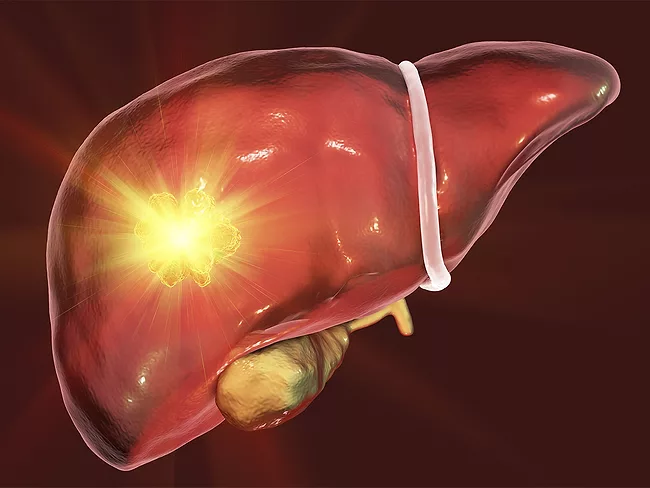
CD276, also known as B7-H3, is an antigen highly expressed in several cancer types, including hepatocellular carcinoma (HCC, 79%-94% expression) and closely tied to aggressiveness and poor survival, but shows very low expression in normal tissues. Increasing evidence exists indicating B7-H3 has immune inhibitory functions, thus reducing interferon levels released by T cells and suppressing cytotoxic activity of natural killer cells, thereby aiding in tumor immune evasion.
Incregen Therapeutics LLC has advanced INC-118, a glucose-dependent insulinotropic polypeptide (GIP) ligand antagonist designed to address long-term obesity management, into IND-enabling studies.
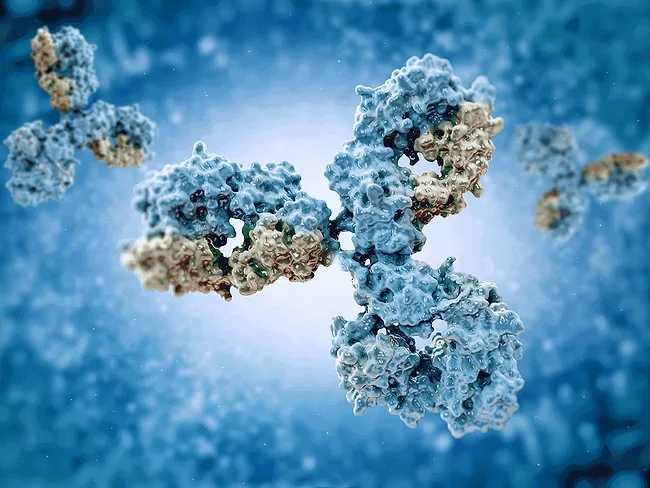
Human respiratory syncytial virus (hRSV) represents a major global health burden and is a leading cause of severe respiratory disease, particularly among preterm infants. Despite extensive efforts to prevent hRSV infection, currently approved monoclonal antibody (mAb) therapies have been exclusively designed to target its surface fusion or pre-fusion protein (F-hRSV).
The U.S. FDA signaled during a Type B meeting that existing data could support a BLA filing for Moonlake Immunotherapeutics AG’s sonelokimab to treat the skin disease hidradenitis suppurativa (HS), despite one of two pivotal phase III trials missing the mark.

 RSS
RSS
.webp?height=488&t=1769119579&width=650 "Molecular model of interleukin-15 (IL-15)")