Maplight Therapeutics Inc.’s pricing of a $258.9 million financing this week revived the debate over whether targeting the M1 as well as the M4 muscarinic receptor – as Bristol Myers Squibb Co. does with U.S. FDA-approved Cobenfy (xanomeline and trospium chloride) for schizophrenia – is a better strategy than going after M4 alone.
Zag Bio Inc. came out of stealth mode with $80 million in funding so far, including a recently closed series A financing, to develop its platform for autoimmune diseases using drugs targeted to the thymus where thymic regulatory cells are produced.
U.K. biotech companies raised 46% less in the third quarter (Q3) of 2025 than in the previous quarter, at £187 million (US$249.3 million). The Q3 2025 figure was also in the shade compared to Q1 2025, when biotechs raised £881 million, and 73% less than in Q3 2024.
French VC Andera Partners has reached the first close of its Biodiscovery Fund 7 at more than €300 million (US$349 million) and says it is on track to surpass the size of the previous fund, which closed at €456 million during the pandemic-driven boom of 2021.
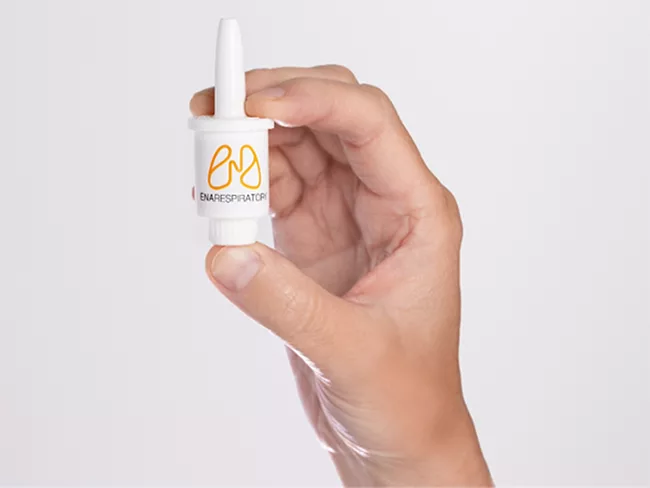
Ena Respiratory Pty Ltd. raised an AU$34 million (US$22.4 million) series B round to advance INNA-051, its nasal spray for symptomatic viral respiratory infections, to phase II trials. New investors in the Melbourne-headquartered company include the Gates Foundation and Flu Lab. Existing investors Brandon Capital, Uniseed and Stoic Venture Capital also participated in the round.

 RSS
RSS