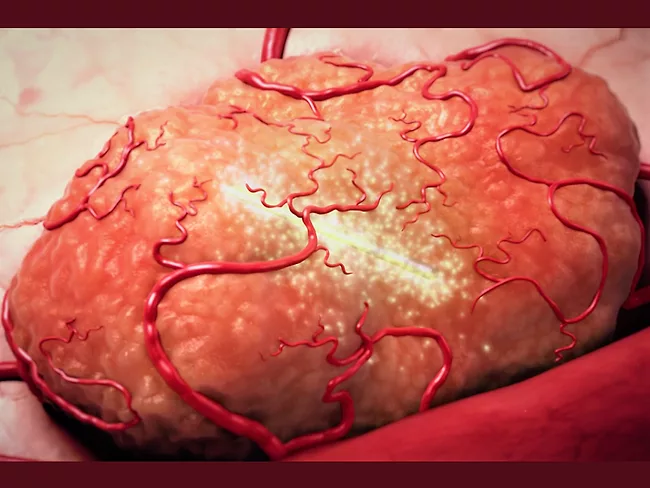
Tel Aviv-based Alpha Tau Medical Ltd. raised $26 million in a series B financing. The round was led by previous investors, Savit Capital, Medison Ventures, and Ourcrowd, as well as new private and family office investors hailing from North America and Israel. The new funds will be used to continue trials of the company's Alpha DaRT (Diffusing Alpha Radiation Emitters Therapy) alpha-radiation cancer therapy for solid tumors and expand manufacturing facilities.
LONDON – Base Genomics Ltd. has raised $11 million in an oversubscribed seed round to commercialize a new liquid biopsy technology for detecting DNA methylation, invented in the U.K. at the Ludwig Institute for Cancer Research at Oxford University.
PARIS – Uromems SAS, of Grenoble, France, reported the completion of a series B round of $17.5 million to advance development of its implantable mechatronic device for treating stress urinary incontinence.
Toronto-based Titan Medical Inc. has inked a development and license agreement with Medtronic plc, of Dublin, to advance the development of single-port robotic-assisted surgical tools. A separate agreement gives Medtronic licensing rights to certain Titan intellectual property. The arrangement aligns with Medtronic’s goal of building its robotic-assisted surgery business and gives Titan’s financials a needed shot in the arm.
TORONTO – Toronto-based Epineuron Technologies Inc. reported the completion of a financing round to develop and clinically validate neuroregenerative technology intended for the recovery of patients suffering from peripheral nerve injuries. Designated a breakthrough device by the U.S. FDA, the “nerve bandage” uses brief bioelectronic stimulation of injured nerves to “upregulate” associated genes that accelerate nerve regeneration.
TORONTO – Seven years after setting up shop in downtown Toronto, high resolution, surgical imaging med-tech company Perimeter Medical Imaging Inc. (PMI) is still wrestling with a statistical heartbreaker: 1 in 4 patients told to return for a second surgery to remove cancerous breast tissue after the first surgery failed to get it all. Now PMI has said it can cut that number down dramatically thanks to a $7.44 million investment from the Austin, Texas-based Cancer Prevention and Research Institute of Texas (CPRIT) to identify wayward breast cancer cells using artificial intelligence technology.

 RSS
RSS