PERTH, Australia – Melbourne-based Telix Pharmaceuticals Ltd. has submitted its first new drug application to the FDA for TLX591-CDx, a radiopharmaceutical targeting prostate-specific membrane antigen (PSMA) for imaging prostate cancer using positron emission tomography (PET).
Children with autism spectrum disorder (ASD) can face a lifetime of frustration because of challenges with communication, social behaviors and flexibility of thought. Early intervention can improve outcomes, but nailing a diagnosis of ASD often takes years. Cognoa Inc. wants to change that with its digital ASD Diagnostic and is on track to apply for U.S. FDA clearance before the end of the year.
Two studies seek to answer the most pressing question for physicians examining a patient with COVID-19: What's this person's risk of death? Mount Sinai researchers presented their clinical prediction model in The Lancet Digital Health and a team from Johns Hopkins published their risk calculator in the Annals of Internal Medicine.
Before authorizing or licensing any COVID-19 vaccine, the U.S. FDA will hold a public advisory committee meeting on that vaccine, FDA Commissioner Stephen Hahn said at a Sept. 23 hearing before the Senate Health, Education, Labor and Pensions Committee.
TORONTO – Ka Imaging Inc. has received U.S. FDA 510(k) clearance for a portable, dual-energy X-ray detector that distinguishes itself from others in this class by delivering regular digital radiography, bone and tissue images in a single X-ray exposure. Designed for early detection of pneumonia, including COVID-19, the Reveal detection system also differentiates bone and soft-tissue.
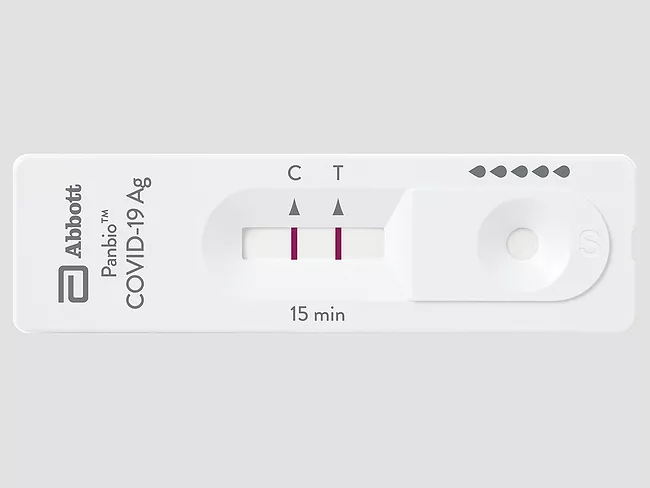
Visby Medical Inc. emerged from stealth mode to secure emergency use authorization (EUA) from the U.S. FDA for its Personal PCR device for detection of COVID-19 infections. It is the first FDA-authorized portable device to use the polymerase chain reaction technology for COVID-19 testing. The San Jose, Calif.-based company was known as Click Diagnostics Inc. until March 2020.
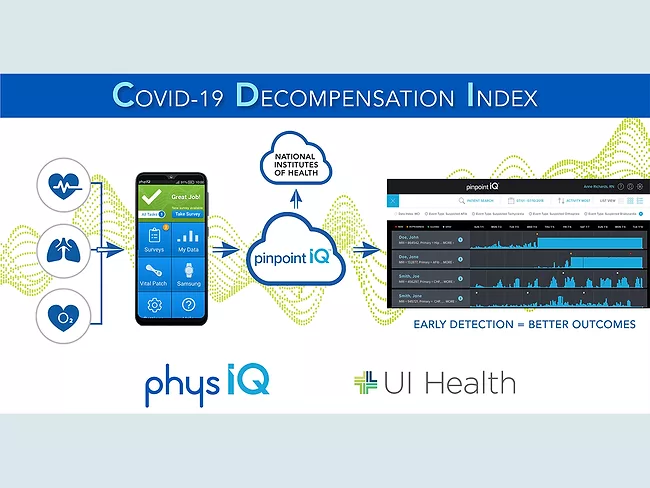
The digital medicine company Physiq Inc. has received a contract from the NIH to develop an artificial intelligence (AI)-based index that can provide an early warning that a patient with COVID-19 is in decline and needs medical treatment. The index, called the COVID-19 Decompensation Index (CDI) Digital Biomarker, will run on Physiq’s existing Accelerateiq computing platform, analyzing physiological data from FDA-cleared wearable devices to create a personalized baseline for patients who have tested positive for COVID-19.
Following days of speculation, Illumina Inc. said today it will acquire liquid biopsy startup Grail Inc. for $8 billion in cash and stock, bringing back into the fold a company it spun out in 2016. The deal gives Illumina a major stake in the race the race to develop a less-invasive way to diagnose cancer. Since spinning out, Grail has raised nearly $2 billion from big-name investors with promises of a blood test for early cancer detection and is hoping to introduce its liquid biopsy as a laboratory-developed test (LTD) as early as next year.
Next-generation sequencing may help provide clinicians with a speedier answer as to the identity of the second pathogen, a service that may prove critical to suppressing the fatality rate in this and in future pandemics, according to Robert Schlaberg, chief medical officer of IDbyDNA Inc., of Salt Lake City.
 RSS
RSS