PERTH, Australia – During the COVID-19 pandemic, 90% of Australia’s clinical trials were put on hold, and the market cap of biotech and medical device companies on the Australian Securities Exchange dropped 5% to AU$11 billion (US$7.78 billion), according to a recent report by Australia’s Medical Technologies and Pharmaceuticals Industry Growth Centre.
Intervenn Biosciences said it has identified stark differences in the glycoproteomic profile of COVID-19 patients who became very sick and people infected with the SARS-CoV-2 virus who were either asymptomatic or experienced only minimal effects. The contrast could help clinicians better understand the biological mechanisms of the disease and triage patients at risk of responding detrimentally to early treatments and more intensive care.
Time is of the essence when treating patients with advanced or metastatic cancer, and diagnostic insights can inform treatment plans. To that end, Exact Sciences Corp. has launched its Oncotype MAP Pan-Cancer Tissue test for patients with advanced, metastatic, refractory or recurrent cancer. From a small tissue sample, the test detects genomic alterations in hundreds of cancer-related genes, helping doctors better depict a patient’s tumor and recommend effective therapies or clinical trials.
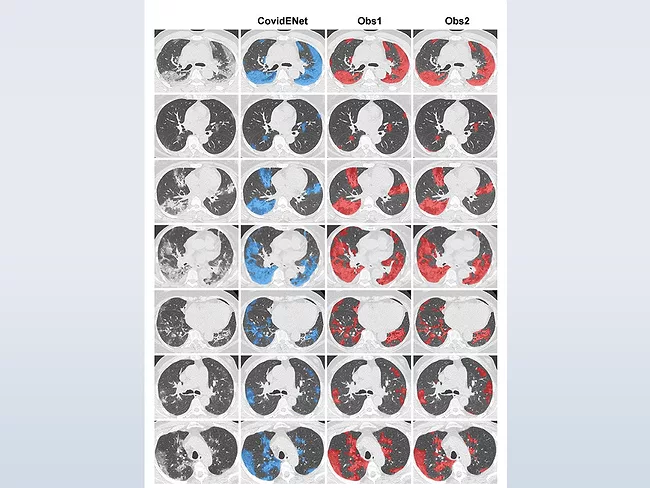
PARIS – A consortium that includes Therapanacea SAS, GE Healthcare France SAS, Orange Healthcare SA, the AP-HP group of 39 hospitals in the Paris region and the French academic society for thoracic imaging has created a database for COVID-19.
Keeping you up to date on recent developments in diagnostics, including: Improving sensitivity of COVID-19 tests; Deep learning algorithm helps triage suspected COVID-19 cases; Cancer image analysis tool incorporates HER2 biomarker assay.
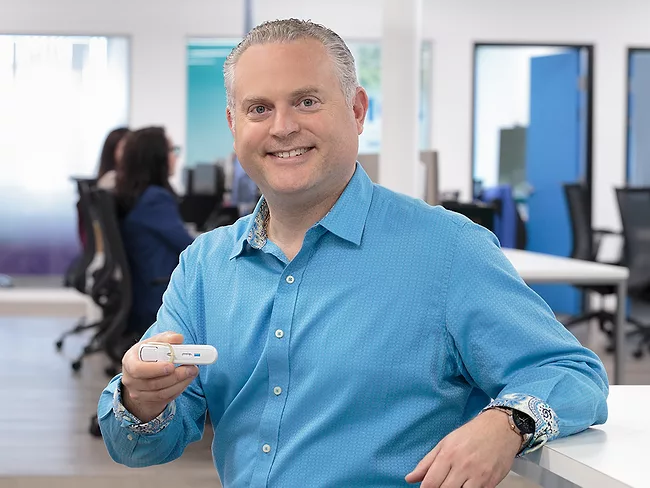
Lumos Diagnostics Holdings Pty. Ltd. scooped up AU$25 million (US$17.9 million) in an oversubscribed pre-IPO ahead of its anticipated 2021 listing on the Australian Securities Exchange (ASX). The funds will be used to expand manufacturing operations in California and Florida and to grow the commercial footprint of Febridx, a rapid point-of-care (POC) test that can determine if a person has a viral or bacterial infection within 10 minutes.
HONG KONG – Israel’s Ben-Gurion University of the Negev (BGU) has set up a company to further develop and commercialize its technology into a wearable device for predicting epilepsy-related seizures.
LONDON – French venture capital firm Kurma Partners has announced the first closing at €50 million (US$58.6 million) of its second fund to be wholly devoted to seed and early stage investment in diagnostics. Kurma Diagnostics 2 (KDx2) will be invested in molecular and digital diagnostics technologies being spun out of universities and research centers across Europe, backing a total of 15 companies.
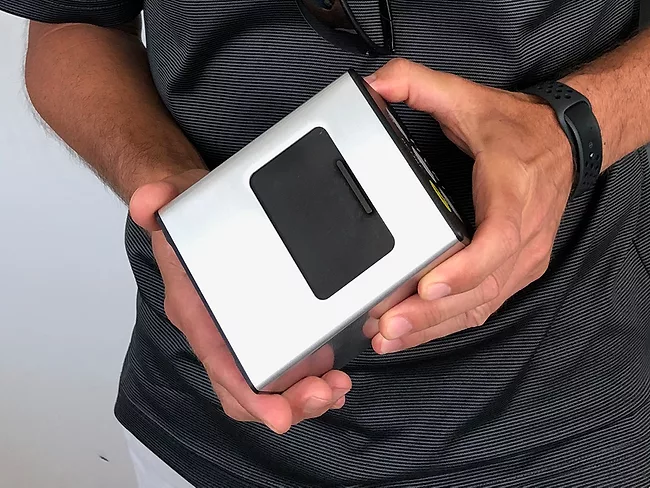
TORONTO – Health Canada has approved a portable COVID-19 test kit which began as a testing regime for identifying pathogens, microbes and viruses in the European food and natural products industry. The Hyris Bcube developed by Guelph, Ontario-based Songbird Life Science Inc., in partnership with London, U.K.’s Hyris Ltd., is described as a portable DNA-based “laboratory in a box” for coronavirus testing in large urban spaces as well as more remote, indigenous communities in Canada’s north.
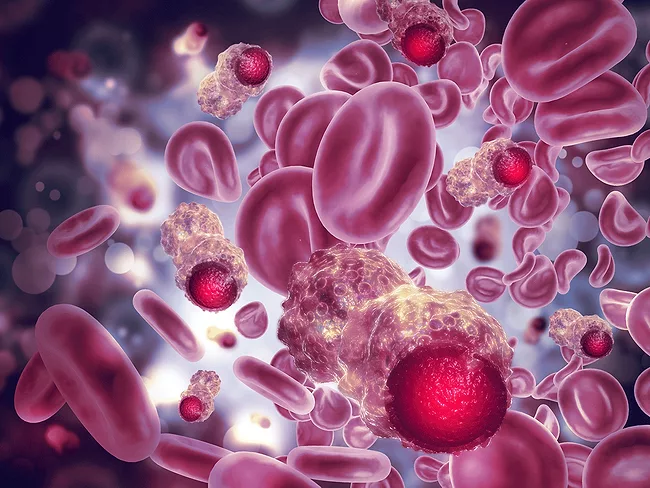
Genetron Holdings Ltd., a Beijing-based precision oncology company, has gained breakthrough device designation status from the U.S. FDA for its blood-based, next-generation sequencing test for the early detection of hepatocellular carcinoma (HCC). The test, called HCCscreen, is intended for individuals at high risk for HCC due to chronic hepatitis B virus infection or liver cirrhosis.
 RSS
RSS