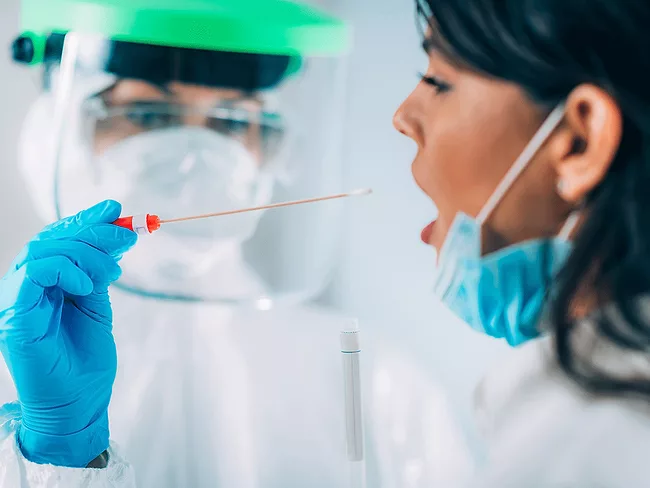
Mammoth Biosciences Inc., of South San Francisco, and London-based Glaxosmithkline plc (GSK) have joined forces to develop a point-of-care test to detect active COVID-19 infections using Mammoth’s CRISPR-based DETECTR platform. The two companies hope to submit an application to the U.S. FDA for emergency use of the test before the end of the year.
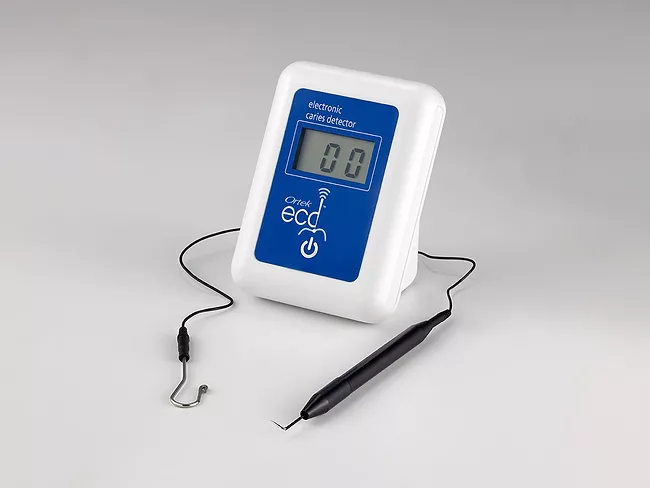
Ortek Therapeutics Inc., of Roslyn Heights, N.Y., has officially launched its electronic early cavity detection system, the Ortek-ECD. The U.S. FDA-cleared device can detect dental lesions before they show up on X-rays, enabling less invasive treatment and preventing greater damage to the tooth structure. Ortek holds the exclusive license for the device which was developed at Stony Brook University School of Dental Medicine.
HONG KONG – A researcher at Israel’s Ben-Gurion University of the Negev (BGU) has developed a test that identifies those carrying the COVID-19 virus in less than a minute. And it is both affordable and works with greater than 90% accuracy to boot.
Keeping you up to date on recent developments in diagnostics, including: Deep learning algorithm helps to differentiate TBI lesions; Methylation markers in HPV-associated head and neck cancer; The World According to GARP.
TORONTO – How confident is Canada’s government that Abcellera Biologics Inc. can identify viral antibodies to help stop COVID-19 in its tracks and build the manufacturing infrastructure for antibody therapies against future pandemic threats? Enough to award the Vancouver, British Columbia-based biotech CA$175.6 million (US$124.7 million) for the application of its antibody discovery platform to the analysis of patients who have recovered from COVID-19.
The FDA’s response to the COVID-19 pandemic has been matched by device makers, but the ID Now molecular test by Abbott Park, Ill.-based Abbott Laboratories has been the target of recent criticism. Tim Stenzel, director of the Office of In Vitro Diagnostics and Radiological Health, said at a May 20 town hall meeting that Abbott has agreed to yet another study of the ID Now, the terms of which were under negotiation at the time of the meeting.
Just days after Clovis Oncology Inc.'s Rubraca (rucaparib) became the first PARP inhibitor approved by the FDA to treat certain cases of metastatic prostate cancer (mCPRC) in third-line care, the agency granted an even broader label in the indication to its first-in-class competitor, Lynparza (olaparib). Endorsement of second-line use of Lynparza in mCPRC and an overall survival (OS) benefit listed in its updated label will help rapidly establish it as "the drug of choice in the [second] line, leaving little commercial opportunities for Rubraca downstream," SVB Leerink analyst Andrew Berens said.
LONDON – Heart disease is now known to be both a cause and an effect of serious COVID-19 infection, with more than 1 in 10 patients who have underlying cardiac conditions being killed by the virus, while others with no previous record of cardiovascular problems are suffering significant COVID-19 induced weakening of their hearts.
Quidel Corp., of San Diego, has scored another win at the U.S. FDA, receiving emergency use authorization (EUA) for the Lyra Direct SARS-CoV-2 Assay to allow direct sample processing. What’s special about this assay is that it does not require an up-front sample extraction. Instead, it uses a reformulated buffer that replaces that process with a simple 10-minute heat step, saving about 50 minutes in processing time.
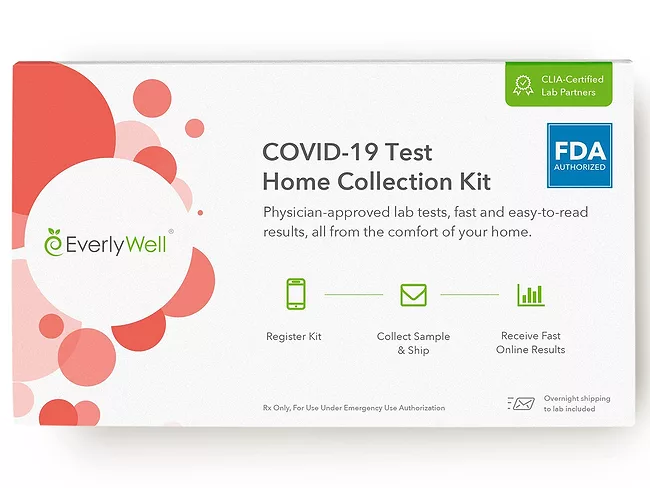
The FDA has granted an emergency use authorization (EUA) for the home sample collection kit made by Austin, Texas-based Everlywell Inc., which can be run on two lab-developed tests. However, the agency has also shut down a Gates Foundation-backed effort in Seattle to develop another home sample collection kit even though the organization behind the effort has been authorized by state health authorities. The FDA announced the news about the Everlywell EUA with the stipulation that the user of the kit has completed an online questionnaire that is subsequently reviewed by a health care professional.
 RSS
RSS