PERTH, Australia – Australia’s Therapeutic Goods Administration (TGA) said industry stakeholders supported making in vitro diagnostic (IVD) self-tests available for infectious diseases like influenza but self-tests for cancer and genetic testing for health-related purposes should continue to be prohibited from supply.
Keeping you up to date on recent developments in diagnostics, including: Deep learning aid for diagnosing TB in HIV patients; Self-collected swabs vs. health care worker collected for COVID-19 testing; SCAD vs. plaques in heart attacks; Diagnosing neuroblastoma in children.
A new type of SARS-CoV-2 antigen test that relies on single molecule array technology may be able to help clinicians identify which patients are most likely to experience severe disease.
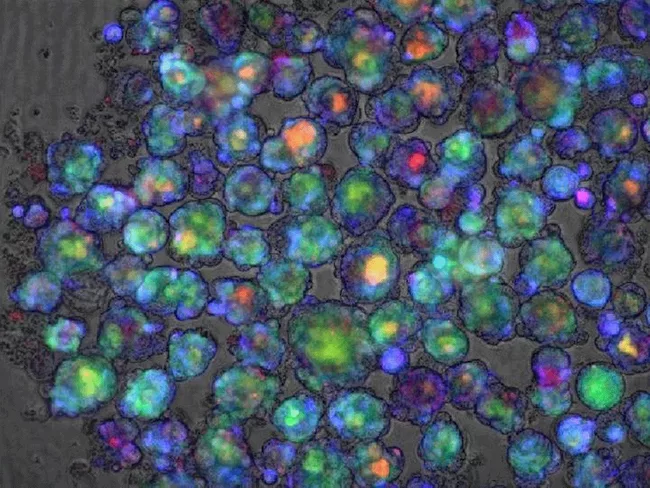
According to the National Institute of Diabetes and Digestive and Kidney Diseases (NIDDK), drug-induced liver injury (DILI) is the leading cause of acute liver failure in the U.S. It is also a leading cause of drug failure in clinical trials. Now, researchers have used liver organoids to develop a polygenic risk score that could predict the risk of liver toxicity for multiple different drugs, regardless of the underlying mechanism.
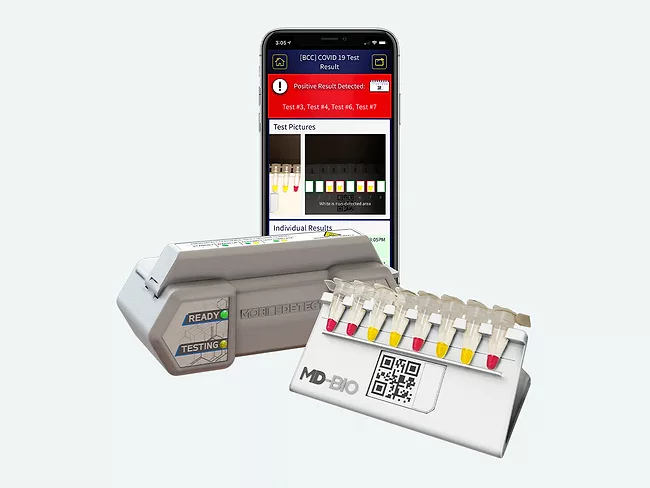
Detectachem Inc. has scored an emergency use authorization (EUA) from the U.S. FDA to market a new molecular RNA test kit for SARS-CoV-2 that provides color-coded results in about 30 minutes.
Keeping you up to date on recent developments in diagnostics, including: A simple point-of-care COVID-19 test; A deep-learning method to predict AMD risk; AP-1 and antidepressant action; Orasure collection device included in Miradx EUA.
 RSS
RSS