An April 15 U.S. FDA stakeholder call revisited several themes of interest in connection with diagnostics for the COVID-19 pandemic. However, Tim Stenzel, director of the agency’s Office of In Vitro Diagnostics and Radiological Health, said that while the agency has not yet authorized a home sample collection kit, “we do think it’s going to happen very soon.”
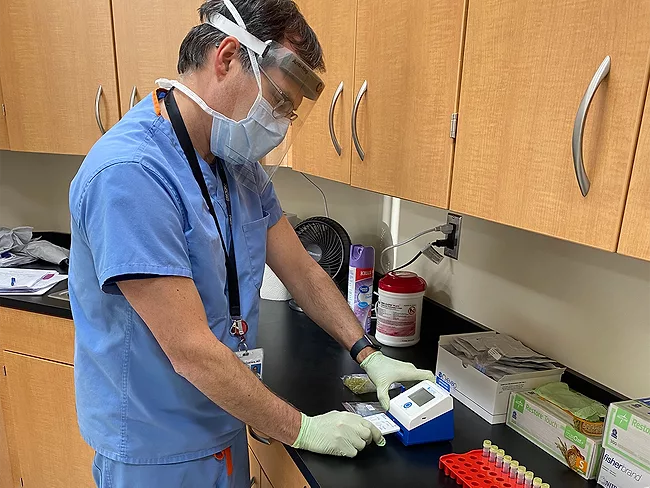
The collection of nasal and throat swab samples to detect the presence or absence of the novel coronavirus SARS-CoV-2 has proven problematic on a few fronts, particularly in the U.S. The swabs themselves often have become scarce and difficult to obtain, while health care workers are routinely risking their own health commonly in the absence of proper protective equipment. In addition, sampling difficulties have largely been blamed for a very high false negative rate that could be as much as 25%.
There will be lessons learned aplenty when the COVID-19 pandemic finally breaks, including how serological and molecular testing can be used to maximum effect to corral a future pandemic.
The age of molecular testing for the COVID-19 pandemic is still with us, but the emphasis in the months ahead will be on serological testing as a quicker, more useful mass testing alternative. However, test developers have a number of hurdles to overcome in devising these serological tests, including that antibodies for the virus’s antigens emerge at different times in the disease cycle, just one of several challenges that have to be met in the effort to bring the SARS-CoV-2 virus to heel.
The U.S. FDA’s routine guidance agenda may be badly disrupted by the COVID-19 outbreak, but the agency continues to pump out guidances and emergency use authorizations (EUAs) directed to the pandemic. While the FDA has included only one serological test under the diagnostic EUA paradigm, Rep. Diana DeGette penned a letter inquiring into when the agency intends to move more decisively on serological tests, arguing that the absence of action on this front endangers the nation’s economic health as well as the public’s health.
Stony Brook Medicine has launched an FDA-approved, randomized investigational new drug (IND) trial to determine whether plasma from people who have recovered from COVID-19 can aid in the recovery of patients currently fighting the disease. Chembio Diagnostics Inc.'s COVID-19 rapid serological point-of-care test will be used to identify potential plasma donors.
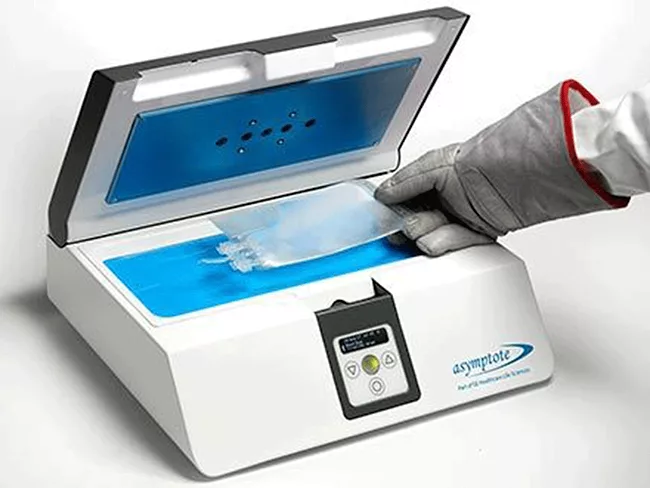
LONDON – These are hardly times for a fanfare, but this month saw the unveiling of a new name in bioprocessing, following the formal closing of the $21.4 billion sale of GE Healthcare’s Life Sciences to Danaher Corp. The business, now renamed Cytiva, has turnover of $3.3 billion, nearly 7,000 employees and operations in 40 countries. More than 75% of FDA-approved biologic drugs use its products in their manufacture.
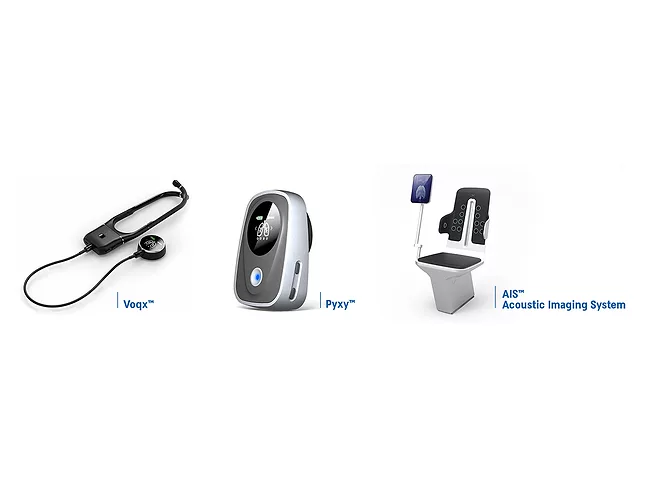
HONG KONG – Whether bats are the source of COVID-19 is a debatable point; however, using sound to navigate like them could prove key for diagnostics and disease monitoring. Bat-Call Ltd. is using its auscultation technology in the battle against the pandemic. It said its patented artificial intelligence (AI) infra-sound analysis and deep learning classification technologies can support the early detection and monitoring of COVID-19 patients.
LONDON – DNA Electronics Ltd. (DNAe) won a U.S. FDA breakthrough device designation for its semiconductor-based DNA sequencing technology Lidia-seq and for the first assay based on the platform, which will detect bloodstream infections and antimicrobial resistance (AMR) genes at point of care.
Keeping you up to date on recent developments in diagnostics, including: Using smartphones to detect AF; A study of AI algorithms in mammography assessment; Stopping tau in its tracks.
 RSS
RSS