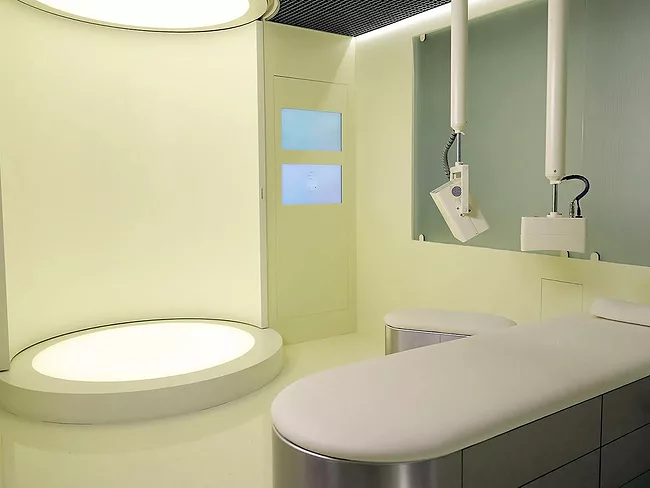
Neko Health AB reported it has secured $67 million in investment capital to develop its artificial intelligence (AI)-driven full body scanner beyond its home country, Sweden. This series A round was led by Berlin-based Lakestar Advisors GmbH, with participation from Atomico (UK) Partners LLP from London and General Catalyst Group Management LLC from Cambridge, Mass. “Our new concept in body digitization technology, capable of rapidly collecting large amounts of health data, will enable us to identify illness at an early stage and take preventive action,” Hjalmar Nilsonne, CEO and co-founder of Neko Health told BioWorld.
T2 Biosystems Inc. received a third FDA breakthrough device designation with its direct-from-blood molecular diagnostic test for Candida auris. The test joins its T2resistance panel and T2Lyme panel in gaining the breakthrough recognition and the increased access to the FDA that comes with it as the company seeks final approval or clearance. The C. auris test enables identification of the challenging pathogen in three to five hours instead of the several days often required to grow a culture traditionally.
Researchers at Harvard Medical School have developed a new tool that promises to improve the way pathologists see and evaluate a tumor, by providing detailed clues about the cancer.
In a pivotal milestone for Memed Ltd., the U.S. FDA cleared its Memed BV test on whole blood samples, which will help health care providers distinguish between bacterial and viral infections. The test, which yields results in as little as 15 minutes, can reduce the risk of unnecessary prescriptions which is a key driver of antibiotic resistance.
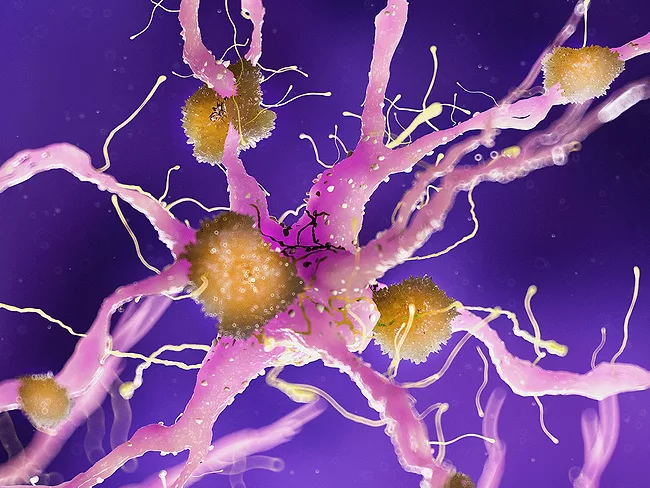
Responding to medical advances and new standards of care in Alzheimer’s, the U.S. Centers for Medicare & Medicaid Services (CMS) is proposing to end its 10-year-old coverage with evidence development policy that has limited Medicare reimbursement of amyloid PET scans to once in a lifetime for beneficiaries – and then only when they’re used in a CMS-approved trial.
Shineco Inc.’s subsidiary Changzhou Biowin Pharma received marketing approval from China’s NMPA for its test device that can complete a diagnosis of acute myocardial infarction in five minutes. The five-minute cardiac test relies on a combination of three major cardiac markers that can detect cardiac troponin I, myoglobin and heart fatty acid binding protein in a single test.
With a bruising battle with its largest investor barely behind it, Masimo Corp.’s preliminary second quarter results came in nearly $100 million below consensus, putting management in an even tougher position now that it has two new investor-aligned board members. Share price plunged from $147.16 to $110 following the after-hours announcement on Monday. By the closing bell on Tuesday, shares had recovered modestly to $117.73.
Caristo Diagnostics Ltd. is deploying its medical imaging technology, Cari-Heart, at several NHS hospitals in a pilot project that will help identify patients at risk of heart attack years before it occurs. Cari-Heart detects signs of inflammation around coronary arteries. “No other company is doing this,” Frank Cheng, CEO of Caristo told BioWorld. “No one is using CT to quantify and visualize coronary inflammation” to predict the risk of a heart attack years in advance.
Sonio SAS closed its series A fundraising round raising $14 million that will go some way in helping the company deliver on its mission to improve access to quality pregnancy monitoring for women everywhere through its software-as-a-service (SaaS) platform. Sonio has developed an artificial intelligence (AI) prenatal screening solution that automates ultrasound reporting while providing image quality control and detection of potential anomalies. The capital raise was led by Cross-Border Impact Ventures, a North American impact fund dedicated to the health of women and children.
Researchers from Washington University in St. Louis and affiliated organizations have provided details on the discovery and preclinical evaluation of [64Cu]NODAGA-PEG4-SL-022-GGS, a novel small peptide imaging agent for evaluating CD38 expression.
 RSS
RSS