After winning a brutal proxy battle led by activist investor Carl Icahn, Francis deSouza suddenly resigned as CEO and as a member of the board of Illumina Inc. over the weekend. The company appointed General Counsel Charles Dadswell to serve as the interim CEO while it evaluates internal and external candidates for the position. DeSouza will continue in an advisory role until July 31.
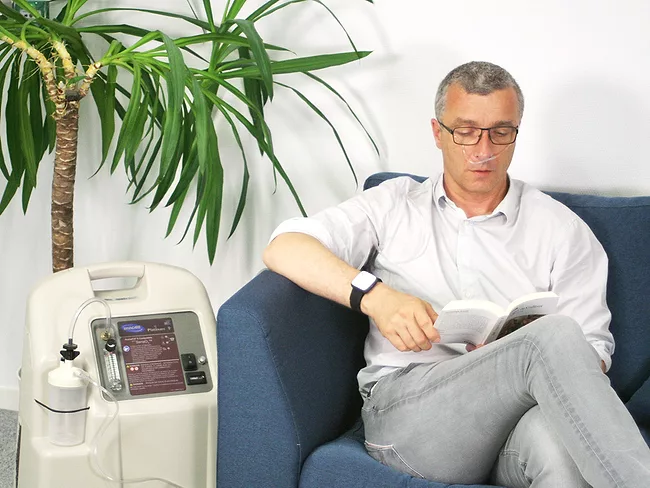
Biosency SAS recently unveiled the latest results on its predictive digital medical device for remote monitoring of patient suffering from chronic obstructive pulmonary disease (COPD). The Bora platform demonstrated its ability to predict COPD exacerbation on average three days prior to hospitalization.
An artificial intelligence (AI) framework developed by researchers in Denmark has outperformed human emergency call handlers in identifying stroke. The AI tool has the potential to play a critical role in helping to address the number of strokes that go unrecognized as the number of strokes are projected to increase as the population ages.
Asep Medical Holdings Inc. reported “ground-breaking” use of artificial intelligence in its SepsetER test to rapidly identify infections at increased risk of severe sepsis. Developed under guidance by Professor Robert E.W. Hancock at the University of British Columbia, analysis of dysfunctional immune responses to identify particular sets of genes could signal when a patient is at risk of acquiring and potentially dying from severe sepsis.
GE Healthcare Technologies Inc. has launched Sonic DL, a deep learning technology designed to significantly accelerate magnetic resonance imaging (MRI) exams, after receiving regulatory clearance from the U.S. FDA.
AC Immune SA has patented 4h-imidazo[1,5-b]pyrazole derivatives and labeled compounds targeting α-synuclein (SNCA). They are reported to be useful for diagnosis of multiple system atrophy, Parkinson’s dementia, Lewy body dementia, Alzheimer’s and Parkinson’s disease, among others.
Standing as one of the more prominent among incurable conditions, Parkinson’s disease (PD) still hasn’t met a medicine or surgical intervention that can slow or stop progression, despite efforts of many drug developers testing new strategies.
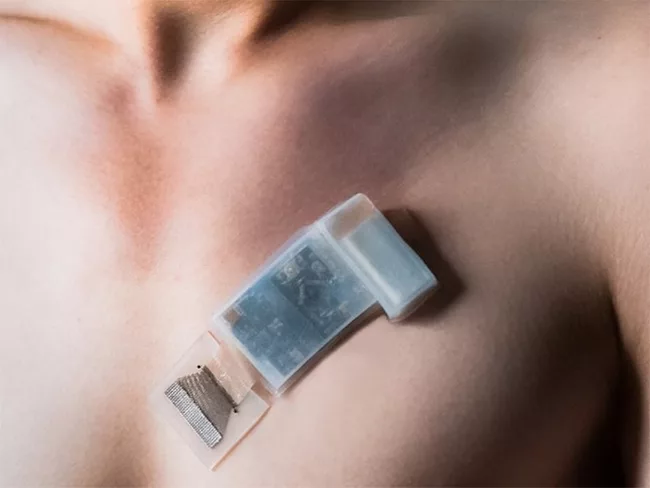
They call it the world's “first fully integrated wearable” ultrasound system for evaluating cardiovascular function while you walk, run, even ride a bicycle. Built on the nanoengineering research at the University of California San Diego (UCSD) the wearable ultrasonic system-on-patch (USoP) employs machine learning to interpret deep tissue vital signs data and track subjects in motion.
The French national authority for health (HAS) has provisionally set up CEDiag, a committee for assessing diagnostic, prognostic or predictive health technologies. This new national committee will cover the field of clinical procedures, including radiology, clinical biology and anatomo-cytopathology examinations, diagnostic drugs such as contrast agents used in medical imaging and radiopharmaceutical drugs, as well as medical devices such as self-testing kits.
The U.S. FDA has given the greenlight to Sparrow Acoustics Inc. (dba Sparrow Bioacoustics) for its Stethophone, a software-based technology that allows doctors and nurses to check a patient’s heart and lung sounds using a smartphone. Providers simply hold the smartphone against the patient’s chest to listen for possible abnormalities.
 RSS
RSS