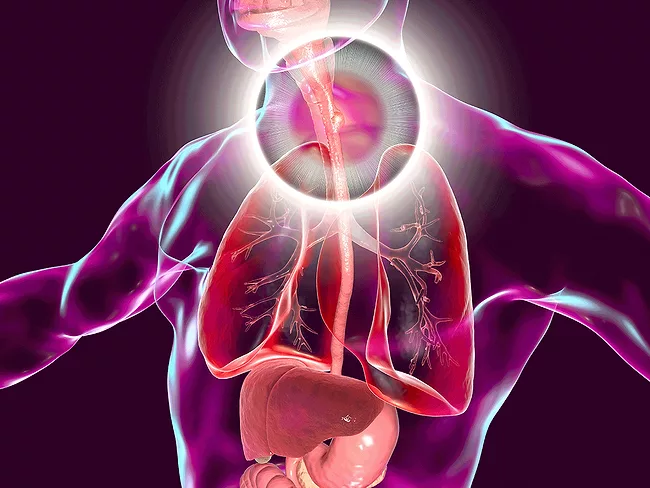
Previous studies have identified a promising target and potential biomarker for diagnosing and treating gastrointestinal and esophageal cancers: claudin18.2 (CLDN18.2), a tight junction protein overexpressed in these and other solid tumors.
The France Biotech business association released its latest annual survey covering the health-tech sector in France. According to the 2022 edition of the Panorama, 1,440 med-tech, 880 bio-tech and 4,000 health and artificial intelligence software companies have been surveyed, responsible between them for $1.4 billion in sales revenues and 14,000 direct jobs, not counting the 2,200 new jobs planned for 2023 mainly in R&D, production and support services.
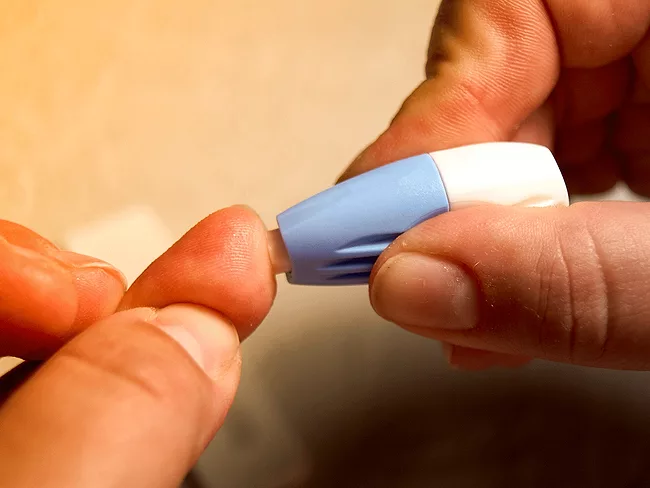
Cardio Diagnostics Holding Inc. launched Precisionchd, a blood test for the early detection of coronary heart disease. The test will initially be available for existing customers, with nationwide rollout to follow shortly thereafter, the company said.
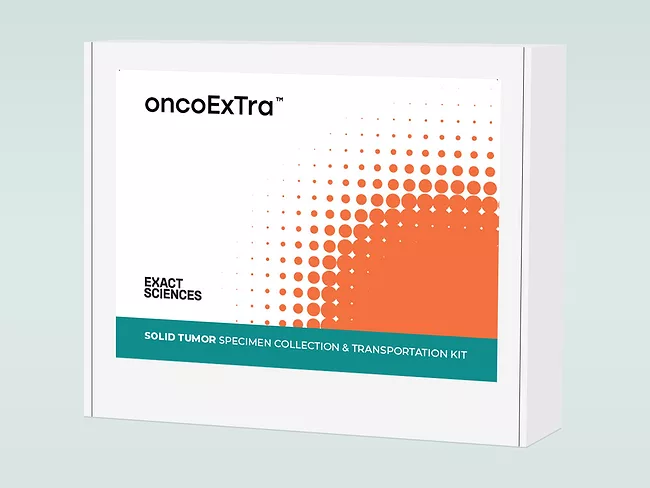
A cancer therapy test unveiled by Exact Sciences Corp. will be able to provide a complete molecular picture of a patient’s tumor allowing for them to receive the most effective treatment as quickly as possible. Exact’s Oncoextra therapy selection test, recently launched in the U.S., enhances the ability of doctors to characterize and understand solid tumors.
Theranocure Co. Ltd. has divulged gadolinium complexes targeting β-amyloid protein acting as magnetic resonance imaging (MRI) contrast agents reported to be useful for the diagnosis of Alzheimer's disease and the treatment of Parkinson's and Alzheimer's disease.
Any decision on whether to expand a five-year World Trade Organization (WTO) waiver of intellectual property rights for COVID-19 vaccines to diagnostics and therapies likely will be delayed longer than proponents had hoped. WTO members originally were scheduled to vote on expanding the waiver in December, but the deadline was extended indefinitely when key members, including the U.S., pushed for a delay.
Epigenetic testing company Trudiagnostic LLC has linked up with Rejuve.AI, an artificial intelligence (AI)-powered longevity research network, to develop more accurate tools for predicting chronological age. Specifically, the collaboration seeks to shed new light on the biology of aging and connectedness of DNA methylation (DNAm), metabolomics and proteomics.
Any decision on whether to expand a five-year World Trade Organization (WTO) waiver of intellectual property rights for COVID-19 vaccines to diagnostics and therapies likely will be delayed longer than proponents had hoped. WTO members originally were scheduled to vote on expanding the waiver in December, but the deadline was extended indefinitely when key members, including the U.S., pushed for a delay.
Researchers at Stanford University School of Medicine have developed a method to measure several thousand metabolites, including proteins, metabolites, inflammatory markers such as cytokines and, to a degree, lipids. “It’s like Theranos, except it works,” corresponding author Michael Snyder, director of the Center for Genomics and Personalized Medicine at Stanford Medicine, told BioWorld.
 RSS
RSS