Two French startups, Gleamer SAS and Azmed SAS, received clearance from the U.S. FDA for their AI-powered tools for chest X-rays. They join an increasing number of companies developing software tools to help clinicians detect a range of abnormalities on images, enhancing diagnostic accuracy, reducing delays and improving patient outcomes.
The use of an AI tool could speed up the time it takes to do pregnancy scans by almost half and it is still able to identify any abnormalities in the fetus, researchers found. Results from a study showed the AI tool used to assist with 20-week pregnancy scans reduced the scan length by more than 40% and still maintained the same accuracy and reliability of diagnoses.
Histoindex Pte Ltd. launched its laboratory-developed test for metabolic dysfunction-associated steatohepatitis (MASH), Fibrosight, in the U.S. as the company’s first in a suite of next-generation digital pathology solutions.
Several American states are forging into a legislative vacuum where regulation of AI is concerned as Congress continues to delay action. Adoption of AI regulations on a state level increases the risk of a fragmented regulatory landscape, as already exists in U.S. privacy law, further complicating the path forward for med-tech companies deploying AI algorithms.
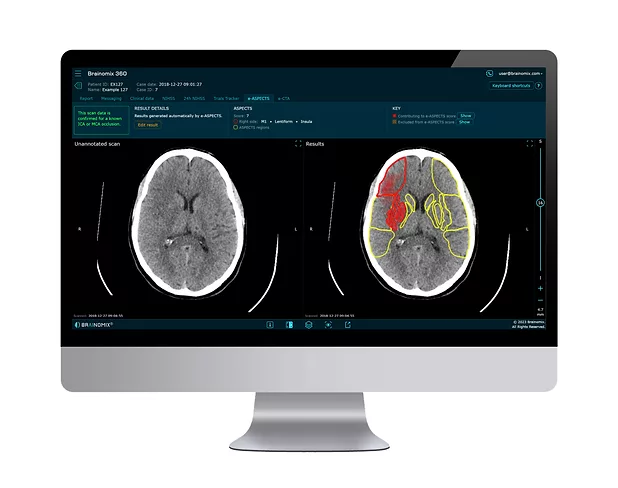
Brainomix Ltd. raised £14 million ($18 million) in a series C financing round to expand its AI-powered imaging solution, Brainomix 360 Stroke, into the U.S. market. Funds will also go towards advancing the Brainomix 360 E-Lung, which can accurately predict the progression of lung fibrosis. “This series C round is a vital fundraise for us,” Michalis Papadakis, CEO and co-founder of Brainomix, told BioWorld. “We are in a growth stage where we want to bring this next generation of stroke AI into the U.S. market.”
The €1.6 million (US$1.7 million) in seed funding that MSInsight SAS recently raised is vital for the next phase of growth of the company, Arnaud Cutivet, president and co-founder, told BioWorld. MSInsight is developing a software, MSIcare, which uses sequencing technology to detect microsatellite instability (MSI) in solid tumors and liquid biopsies.
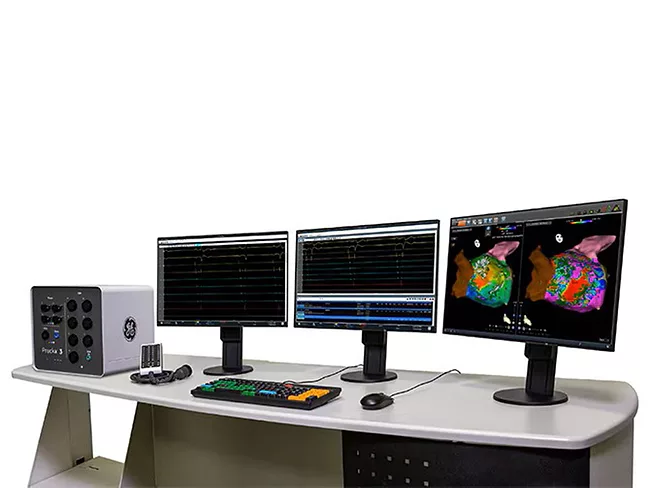
With its Altix AI.i launch, GE Healthcare Technologies Inc. aims to upgrade the user experience and efficiency of its catheterization lab and electrophysiology procedures. The new capabilities apply to the Cardiolab, Mac-Lab and Combolab products. The Alitx Ai.i software upgrades received U.S. FDA clearance in December. CE mark is pending.
Nick Decker, directory of global regulatory policy for Roch Holding AG’s Roche Diagnostics division, said the FDA is moving carefully into the PCCP space, and industry, too, is taking a measured approach in adopting the PCCP concept.
A number of regulatory agencies have signed on to the Medical Device Single Audit Program (MDSAP) for postmarket uses, but the U.S, FDA cannot use these audits for premarket purposes.
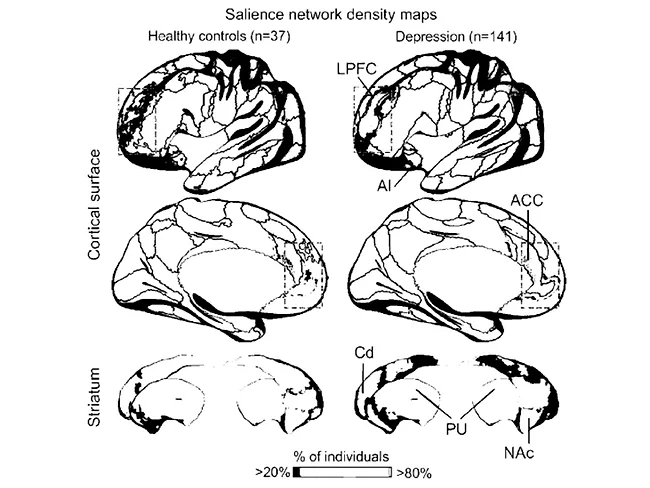
Researchers from Weill Cornell University filed for protection of discoveries made from investigations into the mechanisms underlying depression, which revealed that a specific brain network is significantly larger in individuals affected by depression.
 RSS
RSS