Navidea Biopharmaceuticals Inc. CEO Jed Latkin said positive findings from the second interim analysis of the phase IIb study called NAV3-31 “were certainly better than what we were looking for” and will “make our partnering discussions a lot more interesting.”
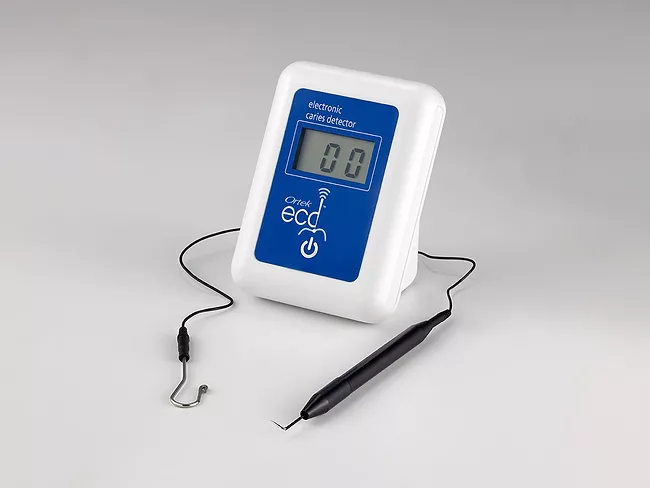
Ortek Therapeutics Inc., of Roslyn Heights, N.Y., has officially launched its electronic early cavity detection system, the Ortek-ECD. The U.S. FDA-cleared device can detect dental lesions before they show up on X-rays, enabling less invasive treatment and preventing greater damage to the tooth structure. Ortek holds the exclusive license for the device which was developed at Stony Brook University School of Dental Medicine.
Vancouver-based Artms Inc. has raised a $19 million series A round to develop its approach to the production of many of the most commonly used diagnostic imaging isotopes. Its Quantm Irradiation System enables the inexpensive production of medical isotopes using hospital-based cyclotrons.
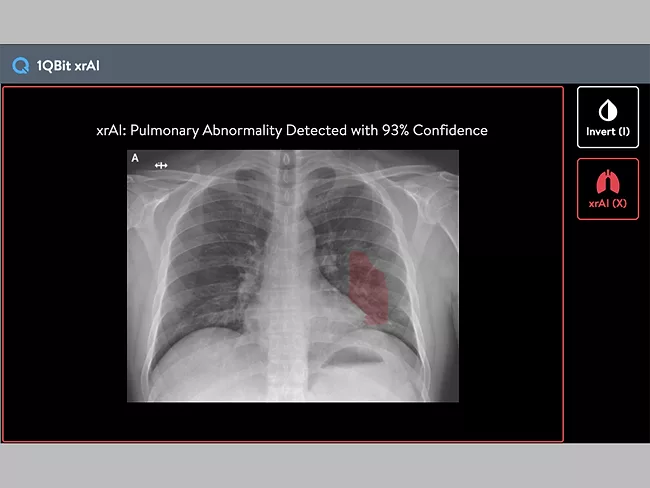
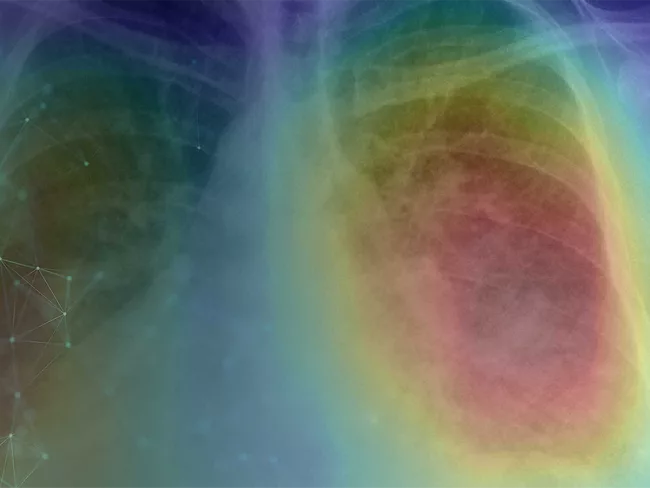
TORONTO – Within a week of completing clinical trials the chest radiography AI tool developed by Vancouver, B.C.-based 1Qbit Inc. has been given the all-clear from Health Canada for deployment across the country. The XrAI was originally developed to better identify patients with respiratory illness including SARS, pneumonia and tuberculosis (TB), but then in February was tested on a publicly available data set of COVID-19 X-ray images.
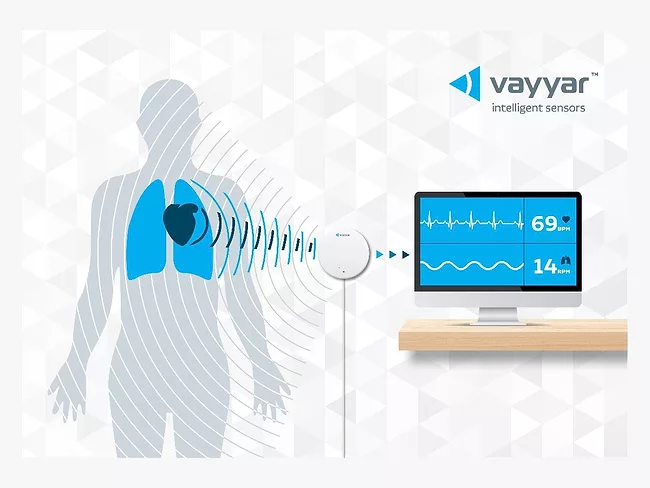
Vayyar Imaging Ltd., which focuses on 4D radar imaging, reported that the Israeli government is using its sensor technology to fight the spread of COVID-19. “Vayyar uses 3D imaging to map what is happening in any environment but incorporates a fourth dimension – detecting and analyzing changes over time – to provide the most comprehensive monitoring solution,” Ofer Familier, general manager of Vayyar, told BioWorld.
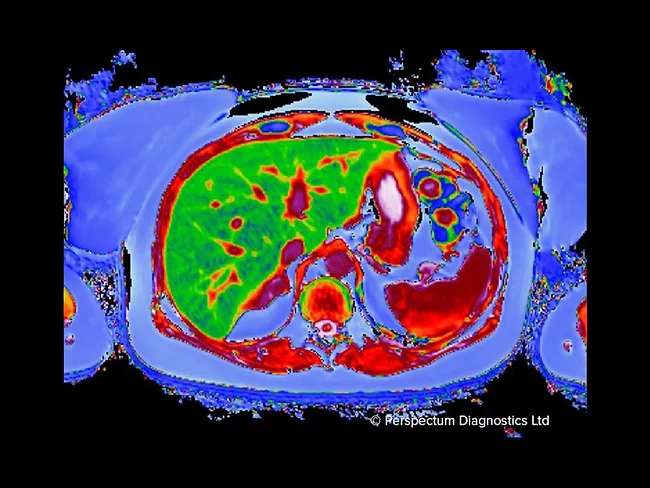
Oxford, U.K.-based Perspectum Diagnostics Ltd. is recruiting patients for a study to determine the degree of damage sustained by major organs following infection with the SARS-CoV-2 virus. The company will use its multiparametric magnetic resonance imaging (MRI) devices and other means to evaluate post-COVID-19 organ damage, track healing and evaluate impact on survivors.
Albuquerque, N.M.-based Sandia Labs received a $6 million grant from the NIH to build a prototype for a wearable brain scanner. The noninvasive functional brain imaging system will use optically pumped magnetometers (OPMs) to conduct more accurate magnetoencephalography (MEG), while improving accuracy, increasing comfort, reducing imaging costs, and enabling use in more patients.
LONDON – Behold.ai Ltd. has secured U.S. FDA 510(k) approval for use of its Red Dot image recognition algorithm in the automatic diagnosis of life-threatening pneumothorax (collapsed lung). The product completes the analysis immediately, sending an alert to the radiologist as soon as an X-ray is taken. “It does in 30 seconds what would normally take up to 30 minutes,” said Simon Rasalingham, CEO of London-based Behold.ai.
Novi, Mich.-based startup Delphinus Medical Technologies Inc. has been working for roughly a decade to introduce whole breast ultrasound tomography to improve breast cancer diagnosis and treatment.
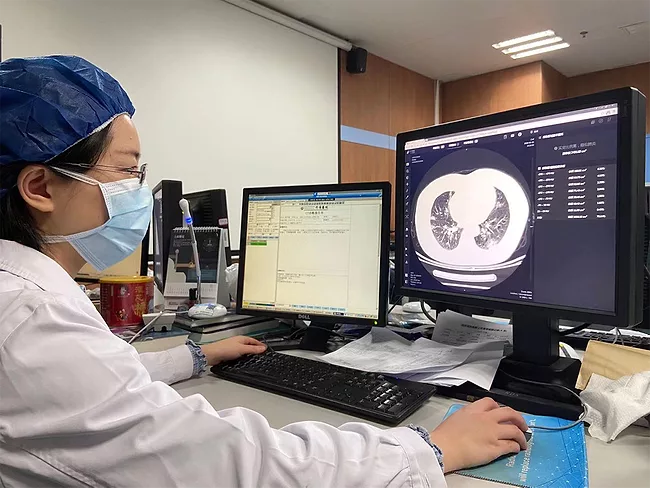
BEIJING – More and more companies and researchers in China are rolling out artificial intelligence (AI)-based systems that can process hundreds of computed tomography (CT) images in seconds to speed up diagnosis of COVID-19 and assist in its containment.
 RSS
RSS