The FDA lost another hearing in the lawsuit filed against the agency by Genus Medical Technologies LLC in a case that yet again resurrects the product classification question. Both courts that heard the lawsuit asserted that the FDA does not enjoy unfettered discretion to classify a device as a drug merely as part of its authority under the Administrative Procedures Act (APA).
The latest salvo in the debate over patents protecting COVID-19-related drugs, devices and vaccines came this week from U.S. industry organizations, including Advamed, the Biotechnology Innovation Organization and the Pharmaceutical Research and Manufacturers of America.
In what is claimed as the first co-authored research between regulatory scientists at the U.S. FDA and a commercial manufacturer of organ-on-a-chip devices, CN Bio's Physiomimix system is shown to perform better than the current standard in vitro liver toxicity tests. In addition to maintaining its function for longer than 2D hepatocyte cultures or 3D spheroids, Physiomimix was found to reproducibly assess toxicity, metabolism and intracellular accumulation of drugs.
In an exclusive interview with BioWorld on the challenges facing a deeply divided Congress and some of the highlights of his years in the U.S. House, retiring Congressman Greg Walden (R-Ore.) said that once the COVID- 19 pandemic is over, federal policymakers should hold a summit with officials from states and major cities to look at a new preparedness partnership that would ensure the availability of strategic medical supplies.
Bone Health Technologies Inc. may be on the verge of upstaging a common drug therapy, but don't tell them to break a leg. The San Francisco-based company's Osteoboost Vibration Belt received a U.S. FDA breakthrough designation for technology that delivers gentle stimulation to reduce bone loss and prevent osteoporosis with the goal of reducing the number of potentially devastating broken bones in the elderly.
Sonivie Ltd. has won breakthrough device designation from the U.S. FDA for the Therapeutic Intra-Vascular Ultrasound (TIVUS) system for renal artery denervation (RDN) to treat resistant hypertension. At the same time, the company revealed that it has bought the remaining intellectual property and other assets related to the use of the TIVUS System from Cardiosonic Inc.
NEW DELHI – Recent changes to India’s rules on medical devices have evoked mixed reaction among industry and legal experts with concerns over their impact on patenting of innovations tinged with a welcome reception of a new clause for mandatory registration and licensing of medical devices in the country to improve adherence to quality requirements.
LONDON – After a year in the mill, the U.K. National Institute for Health and Care Excellence (NICE) has put proposals for how it intends to evaluate drugs, devices and diagnostics in the future out for consultation.
Taiwan’s FDA rolled out two new supplementary regulations on periodic safety updates and adverse event notifications for medical devices in October. They are part of its Medical Device Management Law that was reported on Jan. 15. As Taiwan is stepping up innovation of and regulation for medical devices, the nation for the first time decided to separate the regulation of medical devices from pharmaceutical products.
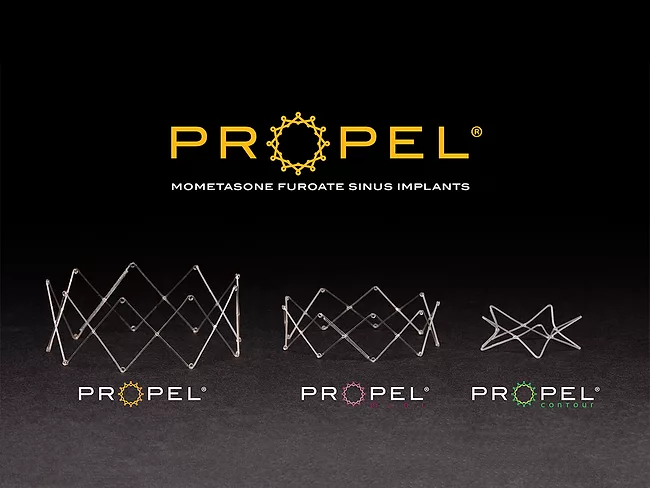
Intersect ENT Inc., a sinusitis implant company, reported $22.7 million in third quarter revenue, driven largely by a rebound in procedures with its Propel implants for chronic rhinosinusitis. This figure marks a 6% decline from the $24.1 million reported in the third quarter of 2019.
 RSS
RSS