Jubliee Biotech Co. Ltd. is hoping to get FDA clearance with Jubiwatch, its smartwatch and medication management platform. “We aim to obtain FDA pre-submission between April and June 2022, and hopefully hit the U.S. market at the end of 2023,” Sung Kyoung Lee, CEO at Jubliee Biotech, told BioWorld.
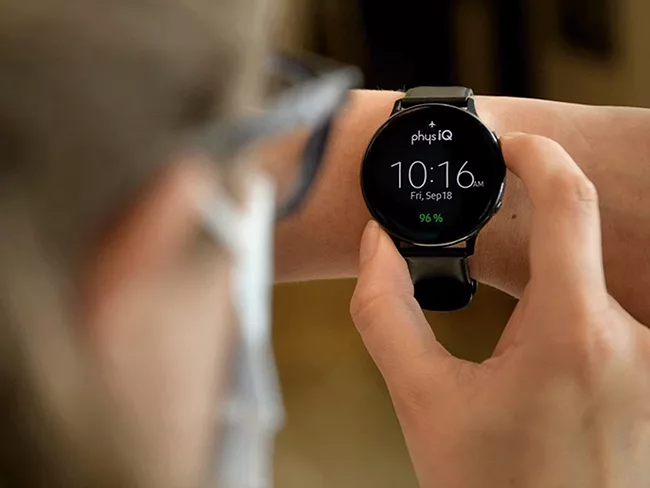
As a counterpoint to the raft of wellness-promoting smartwatches, Purdue University and Physiq Inc. have developed a smartwatch algorithm that flags illness. A year after launching their co-development program, the two organizations reported they have created an algorithm designed for smartwatches that enables detection of early signs of infection. The algorithm is already in use in a number of Physiq’s customers’ applications, Physiq Chief Scientific Officer Stephan Wegerich told BioWorld.
X-trodes Ltd. has raised $4.5 million to develop its portfolio of wearable smart technologies that measure and analyze electrophysiological signals. Tel Aviv-based X-trodes is developing two products – a wireless system “Smart Skin” for sleep monitoring and a wearable system to prevent muscle injuries and accelerate recovery. The core technology is based on an intellectual property (IP) developed in the nanotechnology laboratory of Tel Aviv University.
After nearly two years of waiting, Withings SA won FDA clearance for its Scanwatch, a smartwatch that can take an electrocardiogram and monitor for sleep disturbances indicative of sleep apnea or respiratory illnesses such as chronic obstructive pulmonary disease. The FDA action makes the watch the first cleared for both functions.
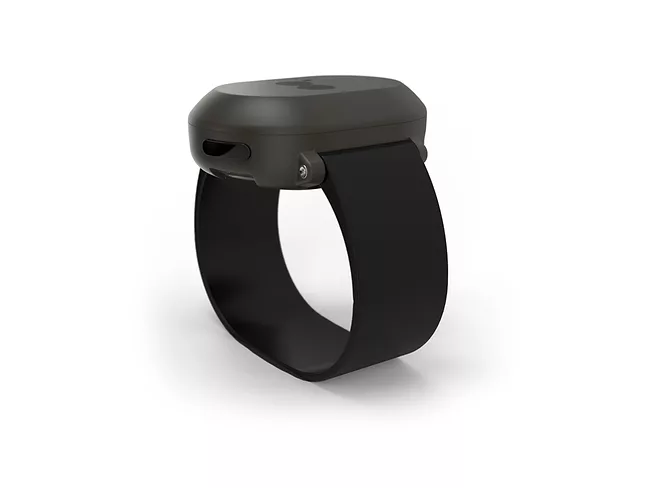
TORONTO – What do ER doctors want most for their patients? Never to return to the ER, said Giovanni Ferrara, a professor at Edmonton’s University of Alberta Hospital's Division of Pulmonary Medicine. Ferrara is heading a feasibility project to see if a wearable device developed by Rochester, N.Y.-based Heath Care Originals Inc. can predict with scientific certainty when the condition of a patient with lung disease is worsening and requires another visit to the hospital.
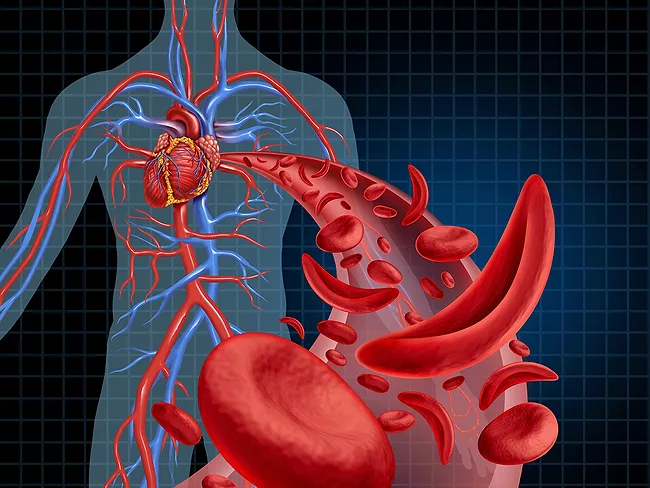
Princeton University spinout Neutigers Inc. is launching a study to explore the use of artificial intelligence (AI) and everyday wearables to flag early symptoms of sickle cell anemia vaso-occlusive crisis (VOC) before they get worse and land patients in the hospital. The aim is to reduce deaths and facilitate interventions to address the entire continuum of care for patients with the inherited red blood cell disorder, Adel Laoui, founder and CEO, told BioWorld.
Alivecor Inc. has elevated its patent dispute with Apple Inc. to the U.S. International Trade Commission (ITC) in a move that could damage the latter’s foray into digital health. Alivecor is alleging that Apple, of Cupertino, Calif., has infringed on Alivecor patents for electrocardiogram monitoring technology, a development that may foreshadow a continuing legal struggle between the two companies for a large and rapidly growing market.
LONDON – Startup company Glucomodicum Oy is preparing to commercialize a new technique for the needle-free monitoring of blood glucose levels, applying the principles of magnetohydrodynamics to noninvasively extract interstitial fluid through the skin.
Current Health Ltd. closed an oversubscribed series B financing, securing $43 million in a round led by Northpond Ventures. The Edinburgh, U.K.-based company will use the funds to scale up its remote care management platform. Other participants included Lrvhealth, OSF Healthcare, Section 32, Elements Health Ventures, as well as existing investors. With this latest infusion, Current Health has raised a total of $66 million to date.
Chicago-based public benefit corporation Neopenda LLC secured the CE mark for its wireless, wearable vital signs monitor and picked up $1.4 million in new funding led by Assiduity Capital and the Sorenson Impact Foundation. The organization developed Neoguard to monitor critically ill infants in resource-poor regions, but adapted it last year to meet the monitoring needs of adult patients with COVID-19. The CE mark approval covers adult, pediatric and neonatal patients.
 RSS
RSS