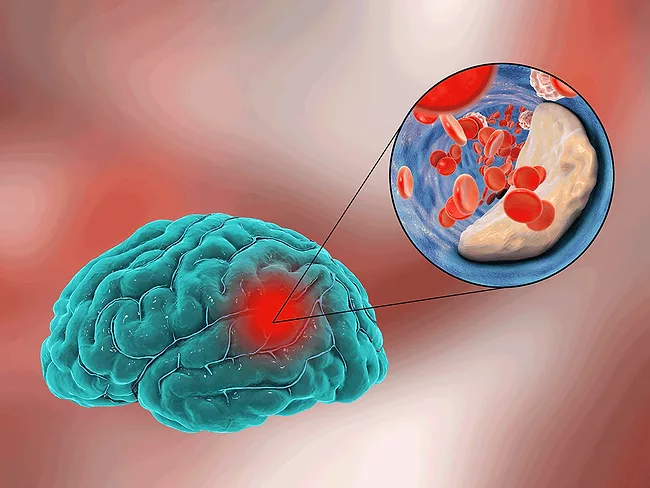
Acute thrombosis, including heart attack and stroke, is a leading cause of mortality worldwide. Yet only a small fraction of patients can be treated with current therapeutic or surgical interventions. Enter Basking Biosciences Inc., a 2019 startup aimed at developing a short-acting, fast-onset thrombolytic drug alongside a reversal agent for treating acute ischemic stroke.
Two years after its formation, Mosaic Therapeutics Ltd. has raised $28 million in a series A to begin commercialization of research carried out by the Translational Cancer Genomics Lab at the Sanger Institute in Cambridge, U.K., into the genetic vulnerabilities of multiple tumor types and how that impacts response to therapy.
Smart Immune SAS has received €17.5 million (US$19 million) in grant and equity funding from an EU innovation program to advance development of its “thymus in a dish” T-cell therapy.
The role of G protein-coupled receptor 35 (GPR35) in gastrointestinal (GI) diseases has been genetically validated for some time, with several pharmaceutical companies advancing programs designed to tackle the target; however, most of these efforts to date have focused on increasing GPR35 activity. ThirtyFiveBio’s approach is different: The newly founded virtual biotech company believes that antagonizing the target and thereby blocking unwanted GPR35 signaling may be a more appropriate way to address GI conditions, including digestive tract cancers.
More than a decade ago, three scientists were part of a team at G1 Therapeutics Inc. that led to the now-approved CDK4/6 inhibitor Cosela (trilaciclib). The same work also led to findings showing CDK2 as a promising target for cancers that developed resistance to CDK4/6 inhibition.
In Alzheimer’s, the amyloid beta hypothesis has proved most persistent in terms of drug development efforts to date, but aggregation of other pathogenic factors – phosphorylated tau (p-tau), APOE4, TREM2 and alpha-synuclein, for example – have also emerged as hallmarks of the disease. It’s that aggregation that seven-year-old Truebinding Inc. aims to target with its lead program, TB-006, a monoclonal antibody against galectin-3.
An investor has seen promise in First Wave Biopharma Inc.’s targeted, systemic gastrointestinal disease biotherapeutics, offering $4 million in a private placement as enrollment picks up pace in a phase II trial for the company’s lead candidate, adrulipase.
Newco Teitur Trophics ApS has raised €28 million (US$30.1 million) in a series A with which it will lay out a new route to targeting sortilin in the treatment of neurodegenerative diseases. The company is targeting the sortilin-related Vps10p domain containing receptor, which plays a role in regulating a number of pathways involved in the control of neuronal viability and function.
In an ideal world, when a patient takes a medicine, it acts only at the specific site of disease in the human body whilst sparing healthy tissues. But it almost goes without saying that with many drug regimens, side effects or complications are part of the package. Working behind the scenes to address this limitation over the past couple of years, Cambridge, Mass.-based venture capital company Flagship Pioneering is now publicizing its platform of “programmable medicines” that directly and precisely target diseased tissue, funnelling $50 million of investment in the technology and recognising its achievements formally through the launch of Ampersand Biomedicines.
Rapport Therapeutics Inc. launched with $100 million in series A funding and ambitious plans to bring a hitherto unprecedented level of precision to therapies for neurological disease. Although the Boston-based company is new to the world, its underlying platform has been a decade in the making, and it already has one clinical-stage asset, which is in development for seizure disorders. It is currently undergoing a phase I trial.
 RSS
RSS