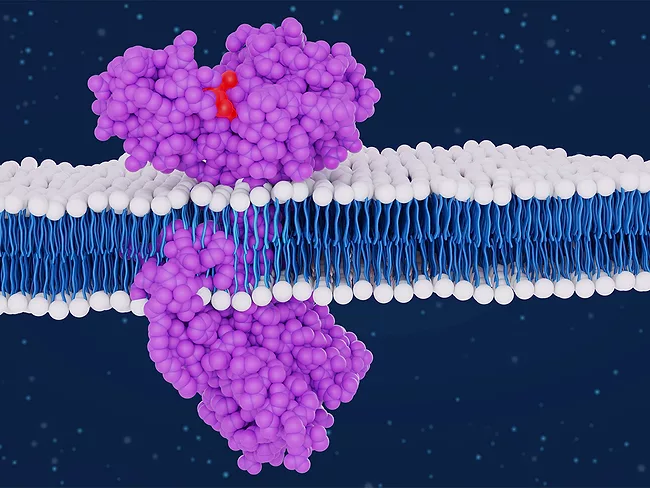
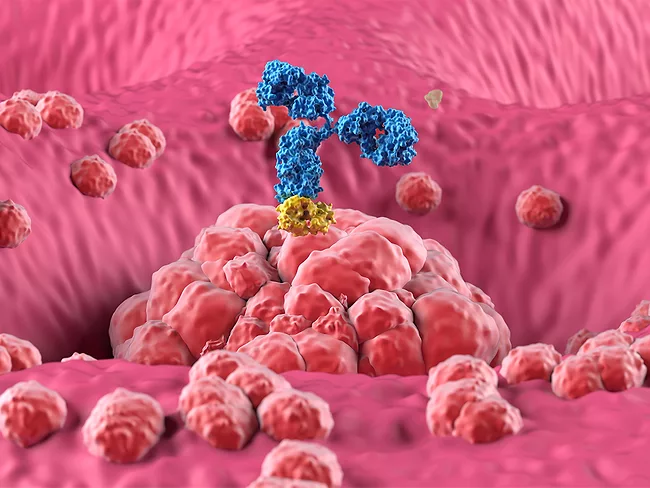
Modulating G protein-coupled receptors (GPCRs) is one of the major challenges in biomedicine. These are flexible proteins with small, deep binding pockets. The scientific community has explored small molecules, antibodies and nanobodies to develop ligands. Skape Bio Inc. is betting on creating miniproteins, a strategy that brings precise solutions for different functions.
Oorja Bio Inc., named after the phonetic spelling of “energy” in Sanskrit, secured $30 million from founding investor Westlake Biopartners in a series A financing round to advance its in-licensing approach to develop drugs for idiopathic pulmonary fibrosis (IPF) and other fibrotic and cardiopulmonary diseases.
Curacle Co. Ltd. inked a potential $1.07 billion deal with U.S.-based “newco” Memento Medicines on May 10, granting the latter exclusive global rights to develop and commercialize preclinical TIE2/VEGF-directed bispecific antibody MT-103 for retinal disorders.
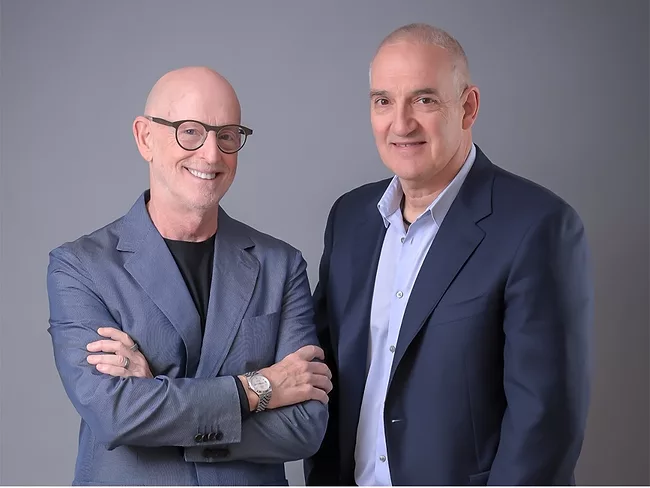
The classic origin story for a biotech startup is that of a scientist who nurtures his work out of a university and to commercial success. For Link Biologics Ltd. and its TSG6-based pipeline, the story is the other way around; it began with now-CEO Reuben Dawkins meeting University of Manchester scientists Tony Day and Caroline Milner while he was on the lookout for “great science that needs help to make it to patients.” The three are now co-founders of Link, which spun out of the University of Manchester in 2021 and has four programs in three indications, all based on TSG-6 biology.
Sonire Therapeutics Inc. initiated a U.S.-based Sunrise II study of Suizenji, its novel ultrasound-guided high-intensity focused ultrasound (HIFU) system designed to ablate pancreatic tumors, after closing an $18 million series A financing round April 15.
Pilatus Bio Inc. is working to address a major under-addressed target of current checkpoint inhibitors: metabolic stress within solid tumors. “Traditional immunotherapies release immune ‘brakes,’ but they do not address the underlying metabolic stress in tumors,” Pilatus CEO and cofounder Raven Lin said. “That’s why more than 60% of solid tumor patients do not respond to treatment.”
Anaptysbio Inc. announced in September of 2025 that it planned to separate its drug development business from the royalties it receives on Jemperli (dostarlimab) from GSK plc and imsidolimab from Vanda Pharmaceuticals Inc. Just seven months later, on April 20, 2026, well ahead of its “year-end 2026” goal, First Tracks Biotherapeutics Inc., the drug development arm of the company, started trading as a standalone company on Nasdaq under the ticker symbol TRAX.
Tortugas Neuroscience Inc. came out of its shell to announce the raising of $106 million between its seed and series A financing rounds. “We like the symbolism of the sea turtle – long-lived, persistent, very determined,” Tortugas CEO Jeff Jonas said of the company’s name.
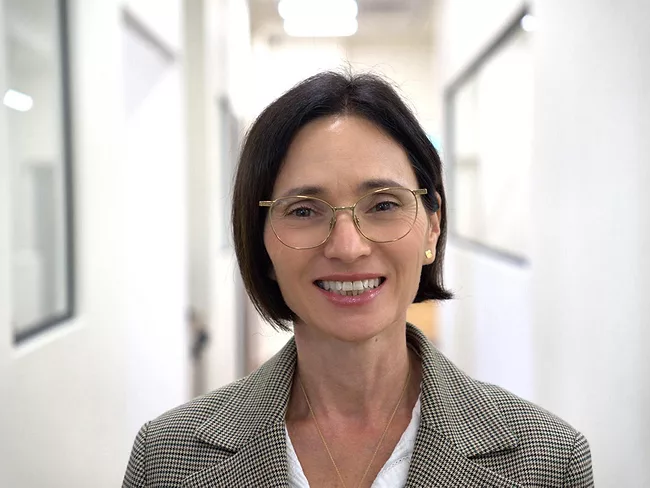
“Single drugs targeting single biological pathways are insufficient for complex diseases,” Remedy Cell Ltd. CEO Ayelet Dilion Mashiah told BioWorld. Remedy is taking a secretome-based approach to treat lung disorders, having moved its lead asset, RC-0315, into a first-in-human clinical trial for idiopathic pulmonary fibrosis (IPF) in January. Secretomes refer to the collection of bioactive molecules secreted by cells in the extracellular space, including proteins, enzymes, growth factors and extracellular vesicles such as exosomes.
Tr1x Inc. was founded with a simple but ambitious goal: to change how autoimmune and inflammatory diseases are treated, moving away from chronic treatment and toward durable cures. “We are trying to flip the script on regulatory T cells (Tregs),” Tr1x CEO David de Vries told BioWorld. “The goal is to reset the immune system rather than continuously suppress it, and we believe we have a unique technology to do that.”

 RSS
RSS