Stem cells are a promising therapeutic modality to fight aging and age-related disease, speakers at the Bio-Plus Interphex Korea 2025 said. Progress in cell-based longevity medicine is being made, they added, although safety, ethical and regulatory issues are ongoing challenges.
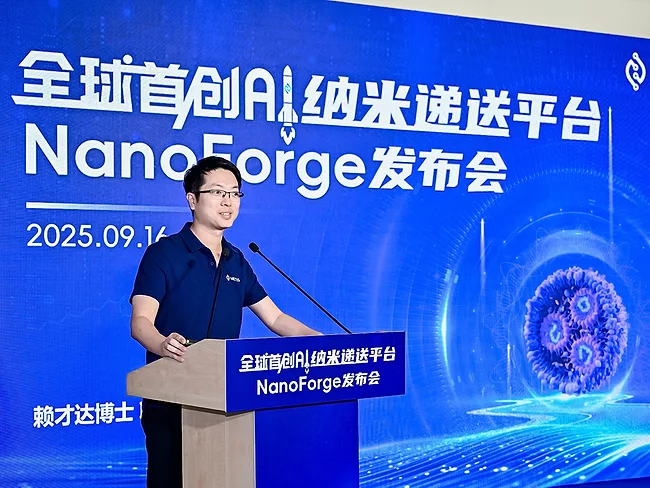
Based on positive phase III study results, Metis Techbio is planning to file an NDA for its AI-derived orally disintegrating tablet drug candidate for pseudobulbar affect, MTS-004, in China next year.
Adocia SA is looking to further apply its Biochaperone formulation technology to metabolic disorders, Olivier Soula, Adocia co-founder and CEO told BioWorld, the firmhaving recently gained positive top-line phase III results of Tonghua Dongbao Pharmaceutical Co. Ltd.’s THDB-0206 injection (Biochaperone Lispro) in diabetes patients in China.
Hanmi Pharmaceutical Co. Ltd. announced Oct. 27 that its glucagon-like peptide-1 receptor agonist, efpeglenatide (HM-11260C), met the co-primary endpoints in a phase III study of obese adults without diabetes.
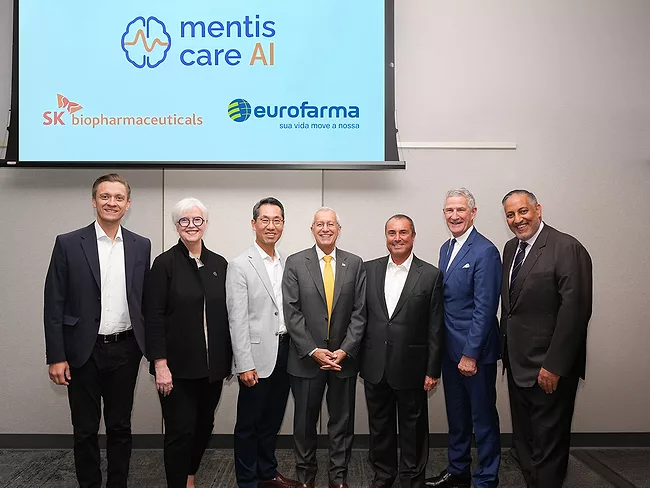
SK Biopharmaceuticals Co. Ltd. and Eurofarma Laboratórios SA launched a new joint venture called Mentis Care Inc. Oct. 21, dedicated to developing an AI-powered platform for epilepsy management.
Antibody-drug conjugate (ADC) specialist Aimedbio Inc. announced Oct. 16 the signing of a potential $991 million deal with Boehringer Ingelheim GmbH to license out its novel preclinical ADC asset targeting solid tumors, including KRAS mutations, which is set to enter phase I study next year.
Antibody-drug conjugate (ADC) specialist Aimedbio Inc. announced Oct. 16 the signing of a potential $991 million deal with Boehringer Ingelheim GmbH to license out its novel preclinical ADC asset targeting solid tumors, including KRAS mutations, which is set to enter phase I study next year.
Sweeping “radical” changes in both the U.S. FDA and China’s drug development landscape are keeping the global life science industry on its toes in assessing what’s temporary and what’s not, speakers said at the Bioplus Interphex (BIX) Korea 2025 conference in Seoul, South Korea, on Oct. 15.
Chugai Pharmaceutical Co. Ltd. and Rani Therapeutics LLC have entered into a collaboration and global license agreement to develop and commercialize an oral product that encompasses Rani’s oral delivery technology, the Ranipill, and Chugai’s rare disease antibody in development.
Radiopharm Theranostics Ltd. completed a AU$35 million (US$22.77 million) placement to advance six of its radiopharmaceutical candidates for both diagnostic and therapeutic uses. The funds raised will go toward clinical trials, drug manufacturing and working capital to extend Radiopharm’s funding runway into 2027.
 RSS
RSS