Doubling efforts to thaw the global biotech capital freeze, the U.S. branch of Shanghai-based Fosun Pharmaceutical Group Co. Ltd. will ramp up investment into U.S. clinical-stage assets through a new joint investment vehicle with American health care advisory firm Treehill Partners.
Ophthalmology company Polyactiva Pty Ltd.’s biodegradable ocular implant provides six months of sustained drug delivery for patients with glaucoma and is the first biodegradable ocular implant that has the potential to be used safely for repeat dosing, Polyactiva CEO Vanessa Waddell told BioWorld.
Serial biotech-founding venture fund Flagship Pioneering Inc., most noted for launching Moderna Inc. in 2012, is crossing into the Asia Pacific (APAC) region and setting up a regional office in Singapore, a move that comes on the heels of its entry into the U.K. earlier this year.
South Korea’s Chong Kun Dang Pharmaceuticals Corp. said that it struck a deal potentially worth $1.3 billion with Swiss pharma giant Novartis AG for its CKD-510 candidate for neurological and cardiovascular diseases, propelling its shares upward 26.11% by market closing of Nov. 6. With the “largest ever” deal in its history, shares of the Seoul-based pharmaceutical (KOSPI:185750) on the Korea Exchange rose by 26.11%, or ₩26,500, closing at ₩128,000 ($98.70).
Multinational pharma companies like Moderna Inc. and Sanofi SA are setting up mRNA R&D centers in Australia and are banking on the country’s decades of mRNA expertise to bring new therapeutics to the clinic and to serve as regional hubs in Asia Pacific, speakers said during the Ausbiotech 2023 conference held Nov 1-3 in Brisbane, Australia.
Israeli biotech Biolinerx Ltd. will hand off the rights to its stem cell mobilizer, motixafortide, in Asia to China’s Gloria Biosciences Co. Ltd. via an out-licensing deal worth up to $280 million, news that sent stocks soaring nearly 13% on Oct. 31.
Hitching onto the emerging drug class of degrader-antibody conjugates (DAC), U.S. pharma giant Bristol Myers Squibb Co. (BMS) is picking up rights to the U.S. and Korean biotech Orum Therapeutics Inc.’s blood cancer candidate, ORM-6151, in a potential $180 million deal.
Singapore’s Health Science Authority is rolling out new drug substance evidence requirements following consultations with stakeholders, and drugmakers will have one year to comply with the new regulations.
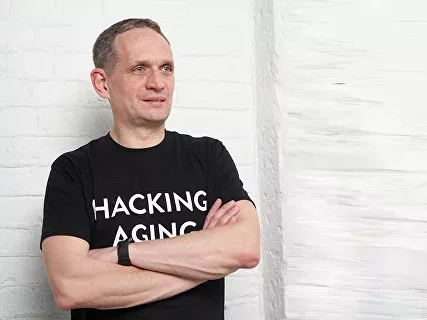
“Aging is not only slow, but it is irreversible, and that is what most people have been suspecting,” Gero Pte Ltd.’s CEO Peter Fedichev recently told BioWorld. “[But] aging is not an inevitable part of human existence.” By setting limits to what science can do – and not do – for aging, the Palo Alto, Calif.- and Singapore-based generative artificial intelligence (AI) biotech Gero is trying to figure out and, at the same time help the industry, “see what is actionable, reversible and what may not be” to help people avoid “hitting their heads against the wall” when tackling aging and aging-related diseases.
American pharma giant Bristol Myers Squibb Co. (BMS) will pick up the rights to Lianbio Co. Ltd.’s FDA-approved drug for obstructive hypertrophic cardiomyopath, Camzyos (mavacamten), in six Asian countries by paying $350 million up front and waiving some outstanding payments.

 RSS
RSS