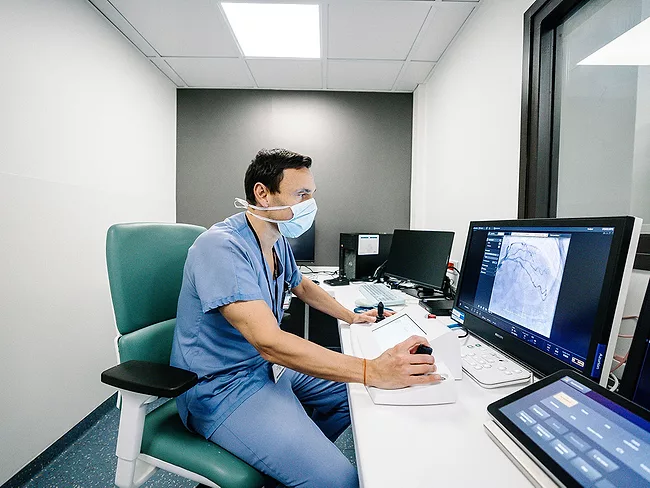
Robocath SAS said it performed the world’s first-in-human remote robotic coronary angioplasty between two cities in China, Beijing and Urumqi, located 1,700 miles apart. The procedure was carried out using the company’s R-One robotic platform, via a 5G connection, and paves the way for long-distance endovascular procedures.
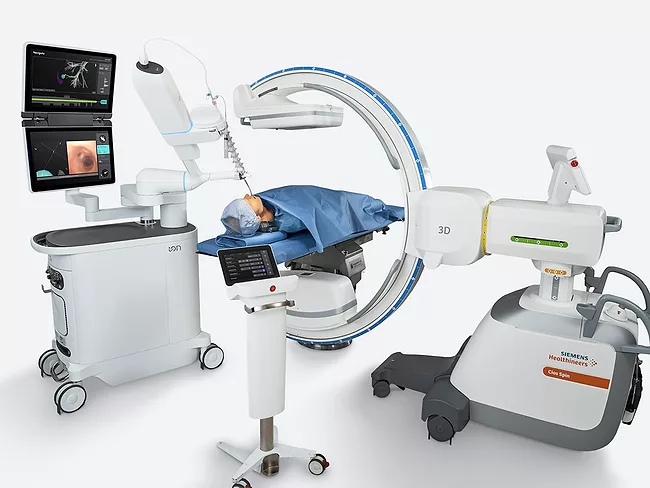
Broncus Holding Corp. subsidiary Broncus Hangzhou is acquiring Chinese medical device company Hangzhou Jingliang in the form of an equity transfer agreement for ¥5.4 million (US$758,000). The move will strengthen Broncus’ R&D capabilities in the flexible robotic space and will allow the company to offer pulmonology diagnostics and therapeutic solutions covering the complete product life cycle.
Asep Medical Holdings Inc. is expanding operations into China with a joint venture (JV) with Chinese medical diagnostics firm Sansure Biotech Inc., ramping up the race to commercialize sepsis diagnostics in Asia.
South Korea’s Ministry of Food and Drug Safety (MFDS) will head an international team of regulatory experts from 19 drug agencies worldwide, including the U.S. FDA and China National Institute for Food and Drug Control (NIFDC), to draft an international standard for artificial intelligence (AI)-based software.
Siemens Healthineers AG appears to be committed to its Diagnostics business after Jochen Schmitz, CFO, pushed back at rumors speculating that the German company was looking at options for the underperforming segment, including a sale.
In the following years, 2023 may come to be seen in medical device circles as the year of artificial intelligence (AI), but that doesn’t mean that 2023 will be seen as the year of regulatory clarity for AI.
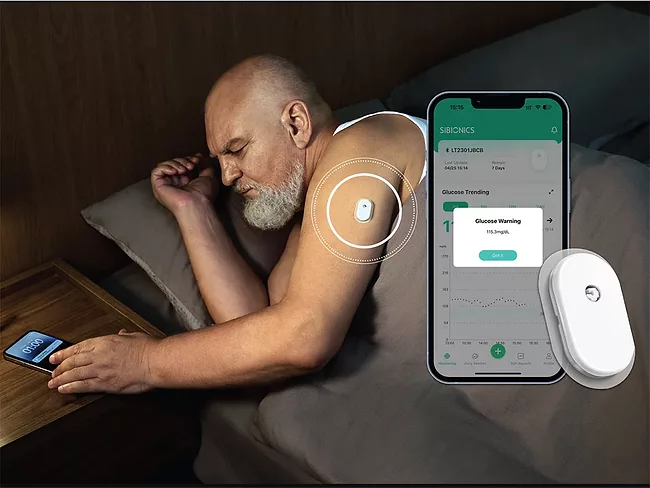
Sibionics Technology Co. Ltd. said it received the CE mark for its continuous glucose monitoring (CGM) system, coined the Sibionics GS1 CGM, helping the company expand its market opportunities beyond China.
At its annual investor day at the American Society for Radiation Oncology meeting in San Diego, Accuray Inc. reported that its Tomo C radiation therapy system obtained approval from the Chinese National Medical Products Administration for the country’s type B market. The system will be made in China through the company’s joint venture, CNNC Accuray (Tianjin) Medical Technology Co. Ltd.
China’s National Medical Products Administration (NMPA) has largely completed its development of overarching regulations for medical devices and is now drilling down into more granular matter, such as a guidance on assessments of benefits and risks for medical devices. Grace Fu Palma, CEO of China Med Device LLC, told BioWorld that this new guidance is a much more detailed version of the 2019 edition, but added that China’s anticorruption efforts will be ramped up with an eye toward health care, just one of several current and impending developments of interest in this massive market.
China’s recovery from its zero-COVID policy has failed to gain the momentum expected, with many experts predicting a slow or even negative growth rate. A slower economy, combined with a push toward self-reliance, bodes poorly for diagnostics manufacturers in the U.S. who may find themselves not just shut out of the huge market but facing stiffer competition around the globe. Further, policies designed to build a domestic next-generation sequencing industry have created headwinds for San Diego-based Illumina Inc. and others, noted Kyle Mikson and Alex Vukasin of Canaccord Genuity in an in-depth report.
 RSS
RSS