The Biosecure Act may have died with the 118th U.S. Congress, but efforts to stop U.S. government funding of R&D in China are alive and well. Rep. Claudia Tenney, R-N.Y., introduced the Stop Funding our Adversaries Act in the House Feb. 7 to prohibit direct and indirect federal funding of research in China or entities owned by China.
For the pharmaceutical industry caught in the crosshairs of a potential trade war, the consequences of U.S. tariffs on China or Europe remain largely speculative, although both would be detrimental, according to a Korea Biotechnology Industry Organization (KoreaBIO) issue briefing Feb. 7.
“This current administration is like nothing that we've seen before,” said a managing partner of a global venture capital firm who spoke to BioWorld on the condition of anonymity. “President Trump’s first term was bad,” he said, “but nobody knows what’s coming.” “This is truly nationalism at its worst, because he won on the campaign [largely] to protect American jobs, claiming that Americans have been unfairly treated.” And it's not just China, he said, but India and other countries will also likely be affected.
The Biosecure Act may have died with the 118th U.S. Congress, but efforts to stop U.S. government funding of R&D in China are alive and well. Rep. Claudia Tenney, R-N.Y., introduced the Stop Funding our Adversaries Act in the House Feb. 7 to prohibit direct and indirect federal funding of research in China or entities owned by China.
For the pharmaceutical industry caught in the crosshairs of a potential trade war, the consequences of U.S. tariffs on China or Europe remain largely speculative, although both would be detrimental, according to a Korea Biotechnology Industry Organization (KoreaBIO) issue briefing Feb. 7.
“This current administration is like nothing that we've seen before,” said a managing partner of a global venture capital firm who spoke to BioWorld on the condition of anonymity. “President Trump’s first term was bad,” he said, “but nobody knows what’s coming.” “This is truly nationalism at its worst, because he won on the campaign [largely] to protect American jobs, claiming that Americans have been unfairly treated.” And it's not just China, he said, but India and other countries will also likely be affected.
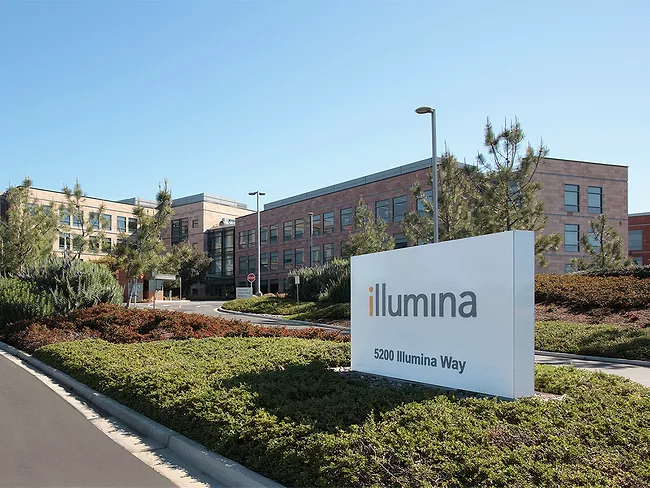
The Chinese government blacklisted several American companies, including gene sequencing-focused biotechnology firm Illumina Inc. and fashion brand PVH Corp., citing threats to China’s “national sovereignty, security and development interests.”
Eyebright Medical Technology (Beijing) Co. Ltd. is expanding its position in China’s phakic intraocular lens (IOL) market, gaining the National Medical Products Administration (NMPA) approval of its Loong Crystal PR phakic IOL product for myopia in adults in January 2025.
China is deepening its regulatory reforms of drugs and devices to foster a globally competitive innovation ecosystem to transform China from a major pharmaceutical manufacturer into a global pharmaceutical powerhouse.
Brainaurora Medical Technology Ltd. debuted on the Hong Kong stock exchange Jan. 8 with a HK$583.18 million (US$74.93 million) IPO, offering about 181.11 million shares at HK$3.22 per share.

 RSS
RSS