Astrazeneca plc is investing heavily in China, signing two R&D deals, worth up to about $8 billion in up-front payments and milestones combined, with Chinese companies Harbour Biomed Ltd. and Syneron Bio, establishing a joint venture with Shenzhen Kangtai Biological Products Co. (Biokangtai) for vaccines, and creating a new R&D center in Beijing through another $2.5 billion investment.
Building upon its already impressive obesity drug portfolio, Novo Nordisk A/S has licensed a triple agonist of the receptors for GLP-1, GIP and glucagon from United Biotechnology Co. Ltd. China-based United is getting $200 million up front and the chance to earn up to $1.8 billion in milestone payments. United Biotechnology retains the rights to subcutaneously administered UBT-251, which is in the early stages of development for treating obesity, type 2 diabetes and other diseases, in China, Hong Kong, Macau and Taiwan while Bagsværd, Denmark-headquartered Novo get exclusive rights to develop, manufacture and commercialize the triple agonist receptor across the rest of the world.
Science ministers from 13 countries in Europe are calling on the European Union to offer a home to researchers affected by the Trump Administration’s cuts. They have written to EU research and innovation commissioner Ekaterina Zaharieva asking her to organize a welcome “for brilliant talents from abroad who might suffer from research interference and ill-motivated and brutal funding cuts.”
Pharma companies in the U.K. said the rebate they are required to make on drug sales is making the country “un-investible,” prompting staff cuts and leading clinical research partnerships to be unwound. Rather than the 15.3% rebate on branded drugs companies expected to pay this year, the rate has leapt to 22.9%. That has left the Voluntary Scheme for Branded Medicine Pricing and Access “in crisis,” according to the Association of the British Pharmaceutical Industries.
Oxford Biotherapeutics Ltd. is partnering with Roche AG to expand the current field of tumor antigens that can be drugged with antibodies, as part of a potential $1 billion-plus agreement. The agreement will see Oxford Biotherapeutics apply its membrane protein discovery platform to search for novel cancer cell antigens, which will be validated through the research collaboration, with Roche then taking the lead in advancing any resulting antibody programs.
The U.S. foreign aid cuts and freezes that are taking place under President Donald Trump are putting at risk the global public health gains that have been made against diseases such as malaria, HIV and tuberculosis over the past two decades, World Health Organization (WHO) Director-General Tedros Adhanom Ghebreyesus said at a March 17 media briefing, as he called on other countries to step up and fill the gap.
Leading pharma companies have pitched into Sofinnova Partners’ new accelerator fund, which has exceeded the target and closed at €165 million (US$180 million). In what is said to be the largest pan-European biotech accelerator fund, Amgen Inc., Bristol Myers Squibb Co. and Pfizer Ventures will get an inside track on startups formed around academic research, as the nascent companies are shaped up for formal investment rounds.
Maxion Therapeutics Ltd. is poised to extend the therapeutic reach of antibodies into the vast field of G-protein coupled receptors and ion channel targets, after raising $72 million in a series A round.
The antibody-drug conjugate (ADC) juggernaut powers on, with Japan’s Taiho Pharmaceutical Co. set to acquire Araris Biotech AG for up to $1.14 billion. Of that, $400 million will be up front, with the remainder tied to milestones with a maximum value of $740 million, around the progress of three ADCs for treating solid and hematological cancers.
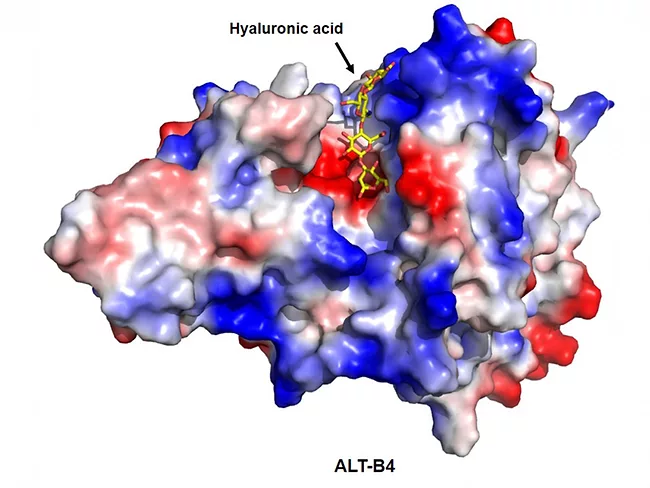
Alteogen Inc. signed its first billion-dollar partnership this year for ALT-B4 technology through two separate contracts with Astrazeneca plc’s U.K.- and U.S.-based Medimmune subsidiaries worth up to $1.35 billion combined.
 RSS
RSS