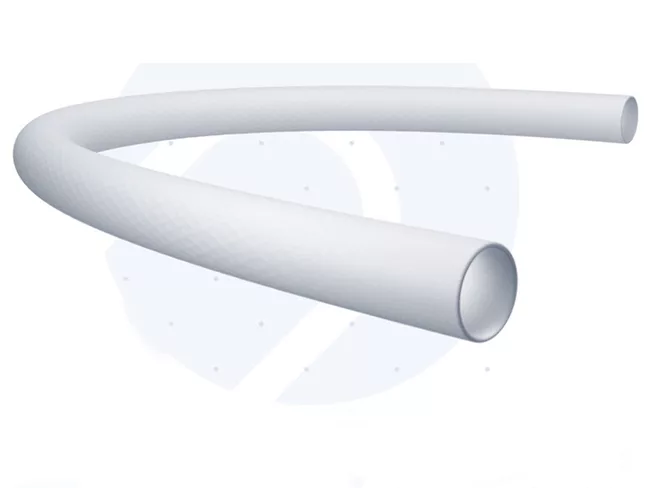
Xeltis BV has secured CE mark approval for Axess, its restorative vascular access conduit for hemodialysis. The company also released 12-month data from its EU pivotal trial on the technology, which showed strong durability outcomes, including 79% secondary patency and a very low patency‑related reintervention rate of 1.3 per patient-year, as well as a substantial reduction in infection burden.
The ability of Ebenbuild GmbH’s digital twin technology to predict the deposition of inhaled drugs across the lungs has been validated in a study published in Nature Communications Medicine. The platform, which combines AI-driven image analysis and physics-based computational modeling, demonstrated strong agreement with in vivo imaging data across multiple inhalation scenarios.
Alivecor Inc. has secured CE marking for its Kardia 12L electrocardiogram (ECG) system, which is powered by its KAI 12L AI technology and can detect life-threatening cardiac conditions. Kardia 12L is a portable, AI-guided, 12-lead ECG solution that delivers measurements and interpretations similar to standard 12-lead ECG solutions, right at the point of care. The company said the simplified design will enable faster acquisition of complete ECG data while leading to better patient outcomes.
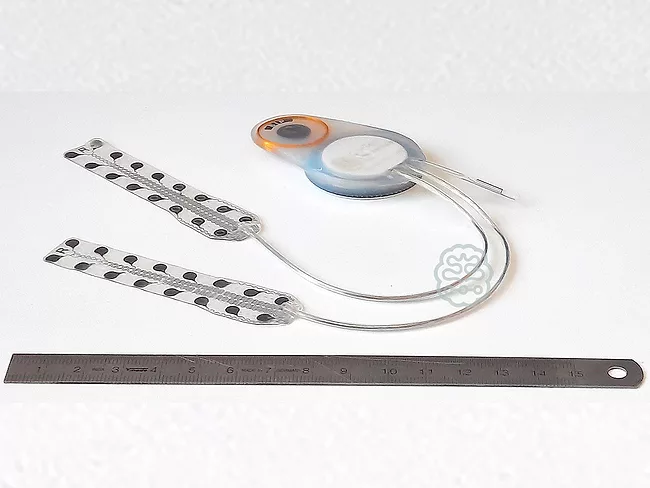
Cortec GmbH is preparing to implant its brain-computer interface (BCI) technology into a third stroke patient, with early clinical data showing that the device leads to significant improvement in hand and arm function. The company believes its Brain Interchange system could transform the lives of millions of patients.
Revenio Group Oyj has agreed to acquire ophthalmic diagnostics company Visionix International SAS for an enterprise value of €290 million (US$339 million) as it looks to become a leading player in the global eye care market. The deal expands Revenio’s offering with a highly complementary product and software portfolio, including optical coherence tomography equipment, an important and growing segment which is new to the company.
The U.S. confirmed the agreement in principle made last December to exempt U.K. pharmaceuticals from import tariffs, as the U.K government put its commitment to spend more on patented drugs into effect.
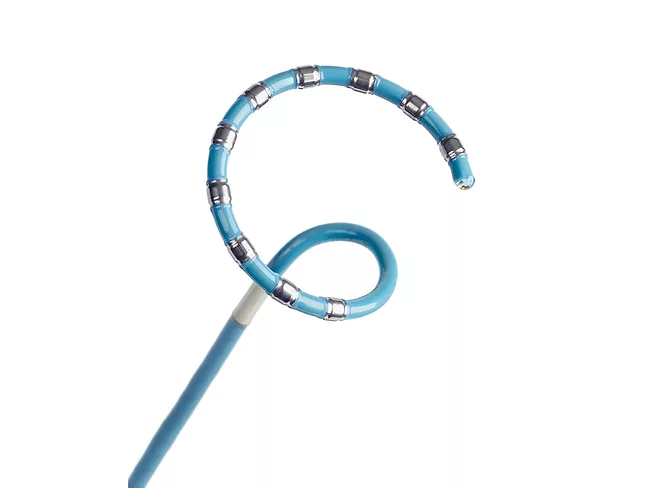
Johnson & Johnson launched its latest pulsed field ablation (PFA) catheter, Varipulse Pro, in Europe following CE mark approval, bringing another option to electrophysiologists looking to adopt PFA technology. The system features a new pulse sequence with a lower temperature profile and enables ablation that is five times faster than the previous sequence, while achieving equivalent lesions. It represents another significant development in the rapidly evolving PFA market that has transformed cardiac ablation treatment.
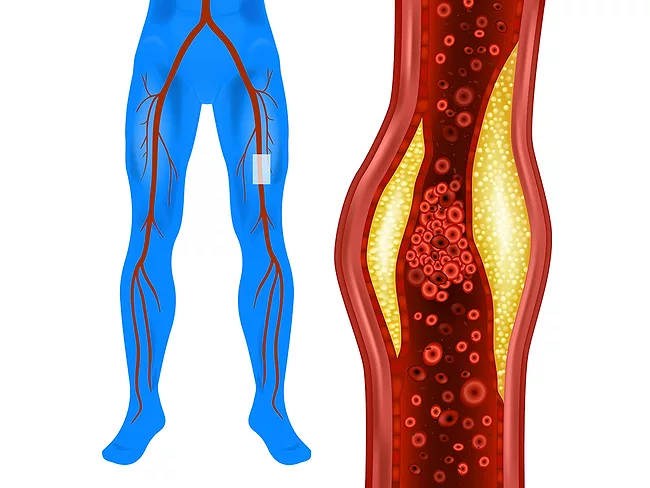
With cases of peripheral artery disease (PAD) rising across the U.K., and lower limb amputations continuing to increase, med-tech companies joined forces with parliamentarians and health care professionals to push for urgent reform of the vascular sector.
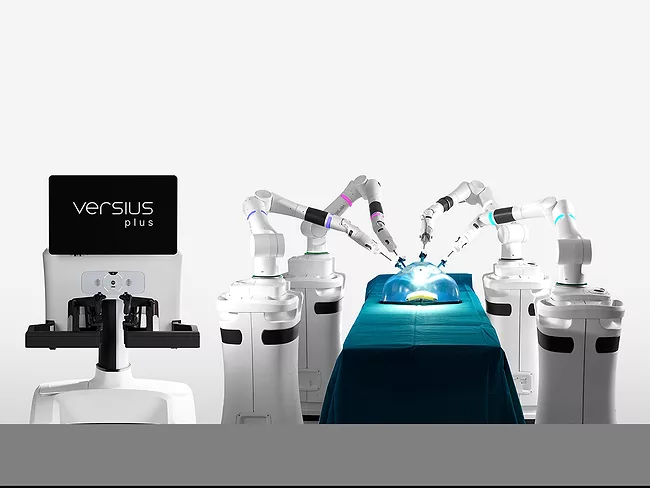
CMR Surgical Ltd.’s participation in Nvidia’s Physical AI health care robotics initiative is expected to accelerate the development of the next generation of intelligent surgical robotic systems powered by data, simulation and AI. As demand for minimally invasive procedures grows, more companies are entering the surgical robotics space.
At BioEurope Spring 2026, pharma representatives and investors shared their thoughts about current and future landscapes of different disease areas, and on how to move toward success – both at the level of individual companies and for indications as a whole.
 RSS
RSS