PARIS – One year on from launch, Digitale Gesundheitsanwendungen (DiGA), or digital health applications, are gaining widespread acceptance in Germany. Digital therapeutics (DTx) have been available since 2020 to the 73 million people in Germany covered by public health.
The World Health Organization’s (WHO) guidance for ethics and governance for artificial intelligence (AI) in health discusses several issues regarding regulation, including the question of transparency for the algorithm’s source code. The WHO paper is not prescriptive on this and several other issues, however, raising the prospect that regulatory entities will not be discouraged from adopting policies that run afoul of intellectual property concerns and thus impede advances in AI.
Sequana Medical NV reported positive results from the second interim analysis of its POSEIDON pivotal study evaluating the Alfapump for the treatment of recurrent or refractory ascites due to liver cirrhosis. These latest results, from 26 patients in the roll-in cohort, affirm earlier interim data showing high scores on all primary endpoints and continued improvement in quality of life.
Merck KGaA is partnering with Neuroloop GmbH, a subsidiary of B. Braun SE, to develop a neurostimulator device that can complement existing drug therapies for people with chronic inflammatory diseases. The collaboration aims to adapt Neuroloop’s neurostimulation platform to enable targeted treatment of chronic inflammatory ailments. The new bioelectronics program intends to open up new technologies and markets that are close to Merck’s electronics and health care business sectors.
As the first flagship action of Europe’s plan to beat cancer, the European Commission launched its Cancer Knowledge Center June 30. The new online platform will map the latest evidence on cancer, provide health care guidelines and quality assurance schemes, and monitor and project trends in cancer incidence and mortality across the EU, where cancer is the No. 1 killer for people younger than 65.
LONDON – Moves to expand the legal remit of the European Medicines Agency (EMA) and give it more powers to deal with the COVID-19 pandemic and future health emergencies are moving to fruition, after the European Parliament and national health ministers in the European Council separately voted through the proposal.
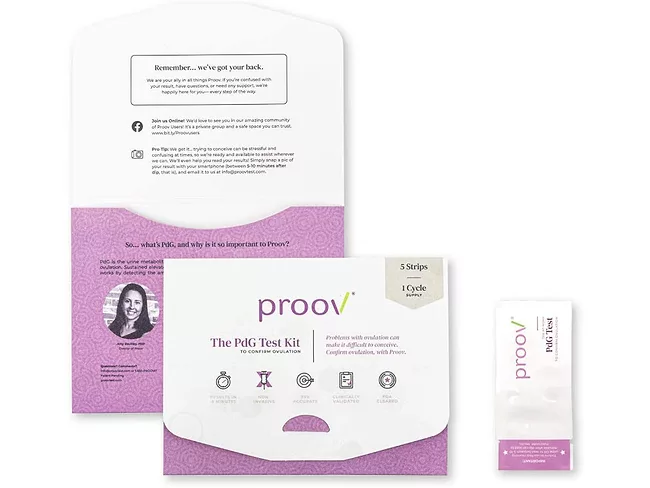
Mfb Fertility Inc. received CE mark approval for its Proov PdG tests, giving European women direct access to information about ovulation without a prescription. The test enables a woman to test her urine for production of sufficient progesterone to confirm ovulation and favorable conditions for conception.
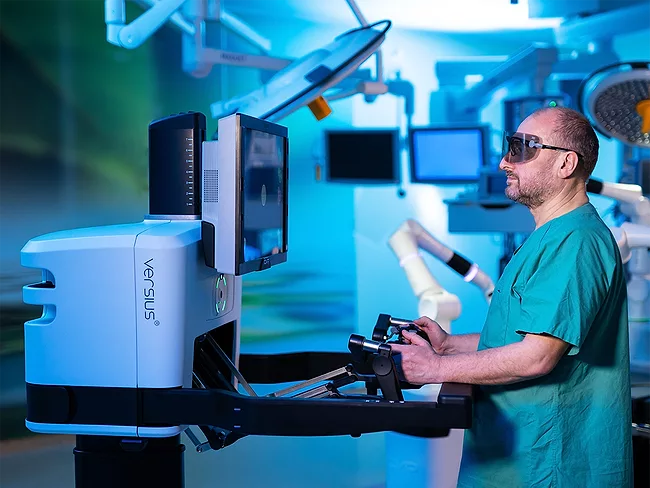
LONDON – CMR Surgical Ltd. has once again broken the record for a private financing round by a European med-tech company, raising $600 million in a series D funding round. That follows on from two other record-breaking rounds, in which the Cambridge, U.K.-based CMR raised $240 million in a series C in September 2019 and $100 million in the series B round that closed in May 2018. These earlier rounds enabled CMR to complete development and install the first commercial versions of its Versius surgical robots. Now the series D will push the company through to profitability, the company said.
LONDON – There has been a lukewarm reception from the industry to the latest developments in the plan to establish a European health technology assessment (HTA) agency, with concerns from pharma that member states will be able to pick and choose whether to apply joint evaluations in national reimbursement and access negotiations.
PARIS – In France, the Haute Autorité de Santé, or National Health Authority (HAS), recently reported the entry into force of a new plan for "temporary" adoption under social security for innovative medical devices. The aim is to speed up access to the French insurance reimbursement market for medical technology addressing unmet or poorly met clinical needs in the context of serious or rare conditions, or which help disability in France.
 RSS
RSS