Bio-Techne Corp. plans to sell its Exosome Diagnostics Inc. business to Mdxhealth SA for $15 million plus royalty payments, a steep cut from the $250 million the company paid to acquire Exodx in 2018. Mdxhealth estimates the unit will generate $20 million in revenue in 2026.
The U.K. National Institute for Health and Care Excellence updated its guidance for the use of single-procedure insertion of scaffolds for knee cartilage repairs, specifying that only qualified surgeons should perform the procedure.
While U.S. President Donald Trump’s country-by-country reciprocal and newly negotiated tariffs go into effect today, a separate, global biopharma sector tariff of, possibly, 200% continues to loom over the sector. For many stakeholders, a biopharma sector tariff of even 25%, as first proposed by Trump, would be a disaster in the making, especially when combined with the pressures of Medicare price negotiations and the president’s escalation of most-favored-nation pricing.
Good news bracketed July for Teleflex Inc. as it completed the acquisition of the vascular intervention business of Berlin-based Biotronik SE & Co. for €760 million (US$879 million) on July 1 and released stronger-than-expected second quarter results on the closing day of the month. Both bode well for the company as it proceeds through a thorough restructuring announced in February.
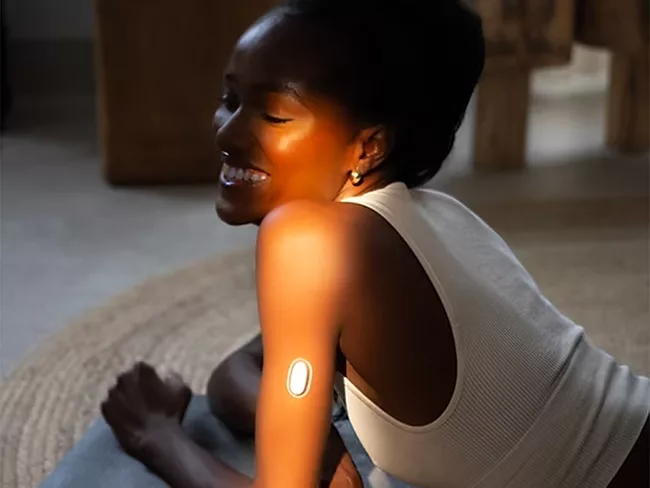
Sava Technologies Ltd. raised $19 million in a series A funding round for its multi-molecule biosensor platform that can detect biomarkers just beneath the skin, in real-time. The funds will go towards its first product, a continuous glucose monitor, which early clinical data showed can generate accurate glucose readings for up to 10 days of continuous wear.
While U.S. President Donald Trump’s country-by-country reciprocal and newly negotiated tariffs go into effect today, a separate, global biopharma sector tariff of, possibly, 200% continues to loom over the sector. For many stakeholders, a biopharma sector tariff of even 25%, as first proposed by Trump, would be a disaster in the making, especially when combined with the pressures of Medicare price negotiations and the president’s escalation of most-favored-nation pricing.
Med-tech companies raised $8.13 billion in the second quarter of 2025, a modest dip from the $8.32 billion recorded in Q1. While the quarterly total marks a continued improvement over 2023’s lower figures, it still lags behind pre-pandemic peaks and the $22.87 billion raised in 2Q20. Compared to 2Q24’s $7.49 billion, this year’s figure reflects a slight year-over-year gain.
Boston Scientific Corp. received CE mark certification under the Medical Device Regulation for its Intracept intraosseous nerve ablation system, bringing another treatment option to patients with chronic pain.
Trinity Biotech plc recently unveiled CGM+, an AI-native, wearable biosensor that goes beyond traditional continuous glucose monitors and tracks glucose levels, cardiovascular activity and body temperature at the same time. The company believes that as precision medicine becomes central to health care, especially with the collection of real-time data, CGM+ will become a critical enabler of AI-based diagnostics, behavioral coaching and chronic disease management.
The European Commission approved up to €403 million ($472 million) in funding to support development of innovations in medical devices in the region. The funds will go towards 10 companies that incorporate novel digital and AI features into their solutions.
 RSS
RSS