Rhythm Diagnostic Systems SAS (RDS) raised €14 million (US$16.6 million) in a series A funding round for Multisense, its wearable device that continuously monitors key physiological parameters of patients in hospital or at home. Already CE-marked and deployed in approximately 15 hospitals across France, Belgium and Germany, the funds will enable RDS to expand its commercial and customer support teams and prepare reimbursement filings in key European markets, Elie Lobel, CEO of RDS, told >BioWorld.
The U.K. National Institute for Health and Care Excellence unveiled a plan that is designed to provide less cumbersome market access for medical technologies.
A month after raising $55 million to advance its AI-enhanced ultrasound diagnostics for cardiovascular disease, Ultromics Ltd. presented strong results for its U.S. FDA-cleared AI analysis of echocardiograms at the American Society of Echocardiography's 2025 Scientific Sessions in Nashville, Tenn. Ultromics' Echogo Amyloidosis was able to detect cardiac amyloidosis earlier and more accurately than traditional methods, missing fewer cases without increasing unnecessary testing.
Xeltis BV reported successful clinical data from the Axess EU pivotal trial which demonstrated the transformative potential of its restorative vascular access conduit, Axess, in hemodialysis treatment.
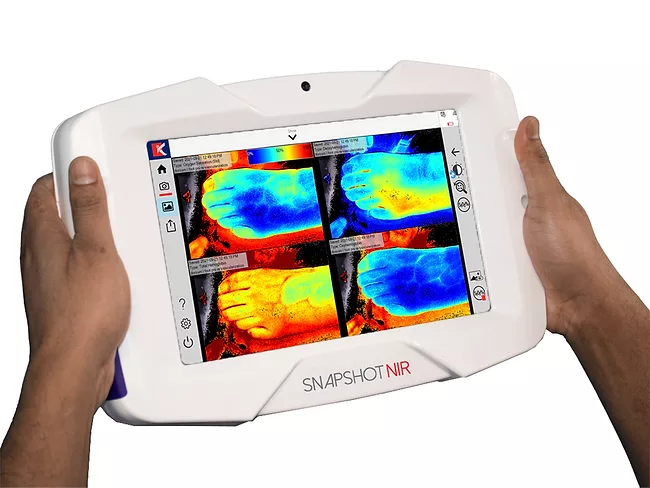
Kent Imaging Inc. received CE marking for its SnapshotNIR imaging device which uses near-infrared spectroscopy to measure oxygenated and deoxygenated hemoglobin in the microvasculature. The non-invasive point-of-care device provides real-time data to clinicians to help them make decisions which can change the trajectory of a wound, from chronic and non-healing, into a healing one, significantly improving the patient’s quality of life.
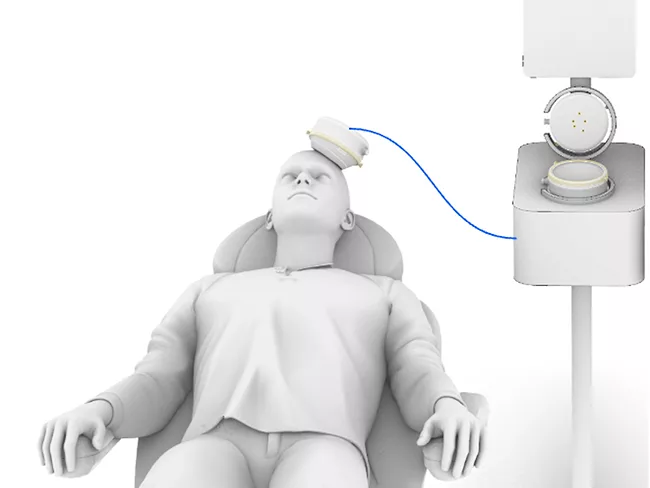
Sonomind SAS raised €3 million (US$ 3.5 million) in financing for its transcranial neuromodulation system, which targets deep regions within the brain non-invasively. The funds will go towards accelerating the development of the platform, which has already proven to be safe and effective in treating patients suffering from drug-resistant depression, after only five days of treatment.
The lack of funding available for early-stage European med-tech and AI-based companies could soon see many go under as their current backers run out of capital, and new investors fail to materialize, Hubert Birner, managing partner at TVM Capital Life Science, told BioWorld.
The unsettling impact that the Trump administration’s health care and tariff initiatives are having on M&A activity and financing is highlighted in a new survey of CEOs and investors, who say uncertainty related to the U.S. policy environment is the top challenge they face when it comes to executing deals.
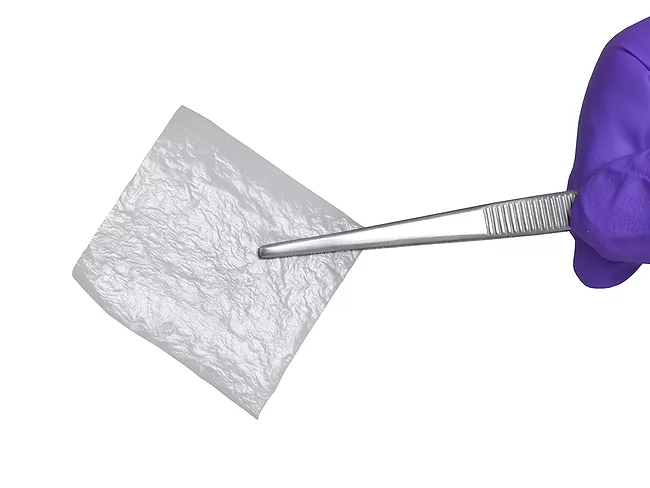
Convatec Group plc secured CE mark and UKCA approvals for Convamatrix, its porcine placenta-based wound dressing designed for hard-to-heal wounds. The single use, skin substitute product is intended to cover, protect and provide a moist wound environment to support the body’s natural healing process.
A new generative AI model trained on UK Biobank data can simultaneously forecast the risks and timing of developing over 1,000 different diseases a decade into the future. The developers applied similar algorithmic concepts to those used to develop large language models like ChatGPT and Gemini to build the model, using medical records from 402,799 participants in UK Biobank.
 RSS
RSS