Medtronic plc’s SPYRAL HTN-ON MED trial demonstrated significantly greater reduction in blood pressure with the Symplicity Spyral renal denervation procedure at three years than a sham procedure in a study presented as featured clinical research at the 2025 Transcatheter Cardiovascular Therapeutics conference in San Francisco.
Private equity firm GHO Capital raised more than €2.5 billion (US$2.9 billion) for its latest fund to invest in health care companies. The fund, GHO Capital IV LP, is the firm’s largest to date and comes despite a challenging market environment reflecting confidence from investors in GHO’s transatlantic strategy and proven record of outperformance across the health care ecosystem.
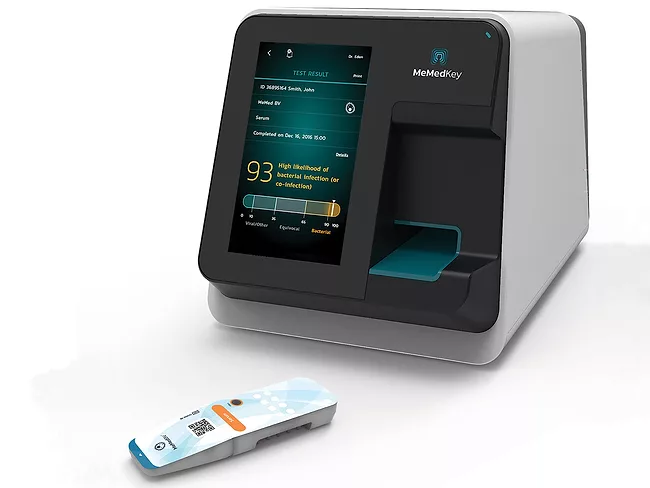
Trials are being conducted at three pediatric emergency departments in England of the Memed BV rapid blood test, designed to help health care providers distinguish between bacterial and viral infections. The test developed by Memed Diagnostics Ltd. can deliver results in as little as 15 minutes, speeding up the diagnosis of serious conditions such as sepsis or meningitis in children.
Sustaining healthy weight loss is about so much more than cutting calories or injecting drugs, as many GLP-1 users are finding out. Withings SA continues to expand its obesity care management ecosystem and the capabilities of its connected scale to support patients through their weight loss journey and their lives after reaching goal, potentially addressing the vexing problem of patients rapidly regaining all – and often more – weight once they discontinue the drugs.
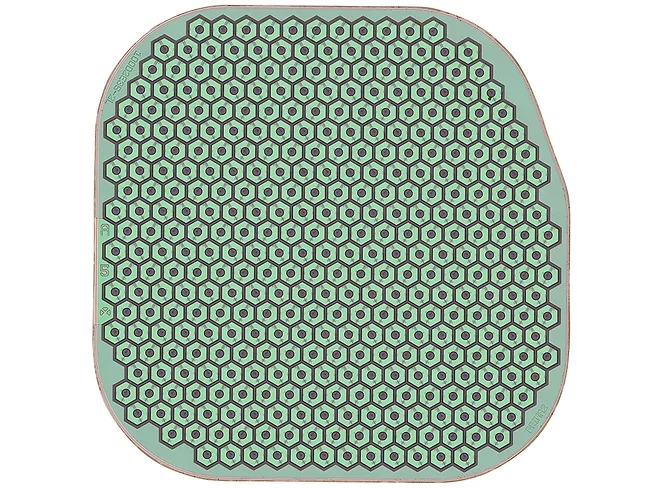
Mode Sensors AS received U.S. FDA 510(k) clearance for its Re:Balans hydration monitoring system. The wearable patch sensor allows for the continuous monitoring of body hydration to detect fluid imbalances using thoracic bioimpedance technology to deliver automatic, accurate data to help physicians in fluid management.
It has been a positive year for med tech compared to previous years, said Antoine Papiernik, chairman and managing partner at Sofinnova Partners. The IPO market has reopened, several large financing deals have closed, and new players have entered the sector.
The U.K’s Engineering and Physical Sciences Research Council provided the University of Oxford with £11 million (US$ 14.7 million) in research funding to develop technologies that will reduce or eliminate chronic pain.
Interim results from the PRIMAVERA study published in the New England Journal of Medicine demonstrated that Science Corp.'s Prima retinal implant restored vision, enabling 80% of patients to read at 12 months. Participants had age-related macular degeneration-related geographic atrophy resulting in total loss of central vision.
The European Commission has proposed legislation that would ease some of the EU’s barriers to innovation, but MedTech Europe said that while the European Innovation Act would be helpful, it is no substitute for fixing what’s already ailing the EU med-tech industry.
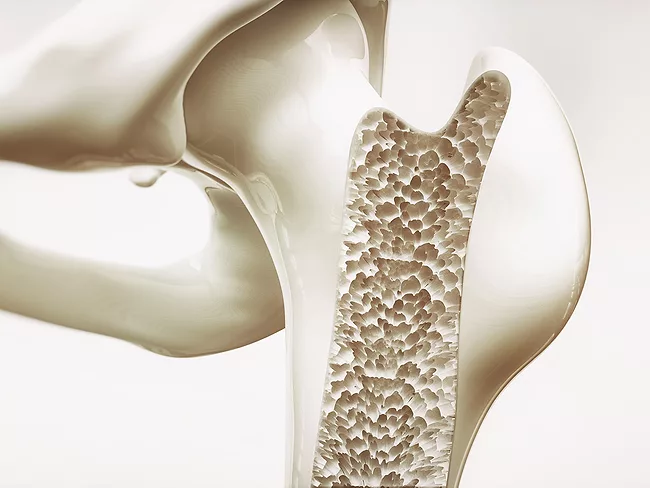
Vertebral compression fractures are one of the more obvious signs of osteoporosis but can be difficult to diagnose, one of several reasons the U.K. National Institute for Health and Care Excellence has given the nod to five AI products that can improve rapid detection of these fractures.
 RSS
RSS