Private equity firm Keensight Capital acquired a majority stake in Bedfont Scientific Ltd. in a move that will allow the company to expand the use of its devices for breath analysis and monitoring worldwide. Although the value of the deal was undisclosed, Keensight typically invests in profitable companies generating revenues in the range of €10 million to €400 million.
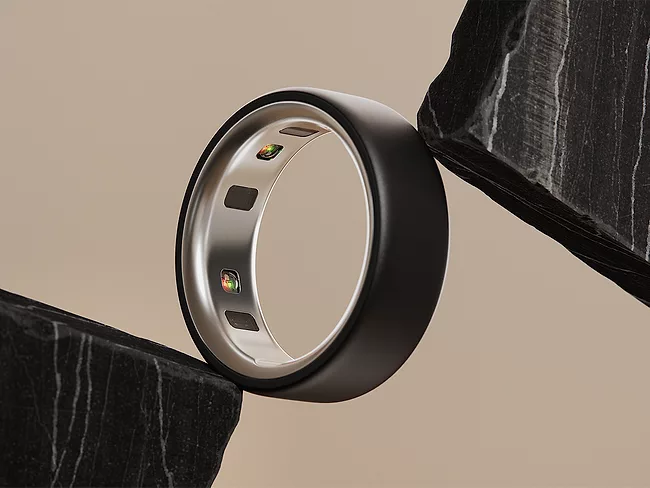
Oura Health Oy raised more than $900 million in a series E funding round to fuel global expansion of its popular smart ring and development of new health technologies. The new infusion brings the company’s total funds raised to date to $1.5 billion and implies a corporate valuation of about $11 billion, Oura said.
Who knew? In addition to adopting a new name, Kneu Health Ltd. recently raised $5.6 million in a seed funding round for its smart-phone-based platform which helps to monitor neurological disorders to enable timely intervention. The funds secured will be used to expand commercial operations in the U.S., scale deployments for Parkinson's disease and advance the monitoring capabilities of the platform for dementia.
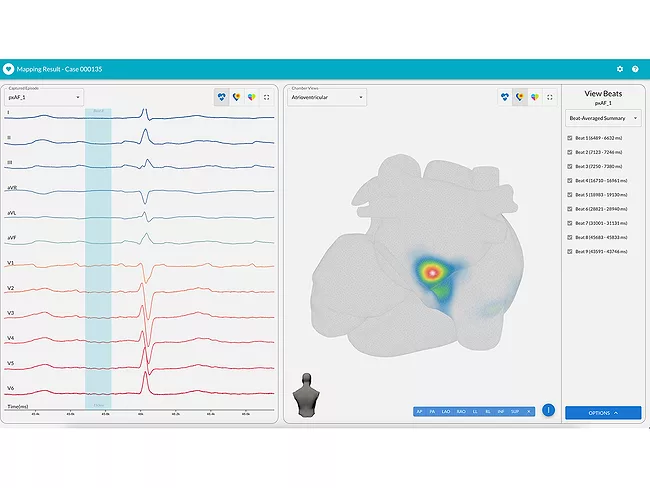
Vektor Medical Inc. recently secured CE mark for Vmap, its AI-powered electrocardiogram mapping system, marking a “major milestone” for the company, said CEO Rob Krummen. The regulatory approval from the EU authorities confirms that Vmap meets the stringent safety and performance requirements of the EU Medical Device Regulation, opening the door for clinical use in Europe, he told BioWorld.
The U.K. Medicines and Healthcare Products Regulatory Agency (MHRA) reported that it will seek to deepen its collaboration with other regulators, a list that includes but is not limited to the FDA. MHRA said that the U.K.-U.S. reliance program would apply to not only class II devices under the 510(k) and de novo programs, but to class III PMA devices as well, promising a somewhat more streamlined path to a market ripe with opportunity for the devices and diagnostics industries.
Ottobock SE & Co. KGaA got the Frankfurt Stock Exchange on its feet and dancing with Germany’s largest IPO in more than 18 months Oct. 9. The €808 million (US$934.23 million) gave the prosthetics company a market capitalization of €4.2 billion (US$4.88 billion), which rapidly rose as the share price shot up from €66 to €72 at the start of trading. The second med-tech to go public in October should have more company soon, with U.S. molecular diagnostics company Billiontoone Inc. filing Oct. 7 for an IPO with placeholder value of $100 million.
The International Medical Device Regulators Forum (IMDRF) has issued a draft guidance for predetermined change control plans for software as a medical device. The problem for advocates of regulatory harmonization is that the IMDRF draft overlaps awkwardly with the FDA’s approach, which has issued separate policies for the AI subset of device software functions and a separate guidance for all other devices, including non-AI software.
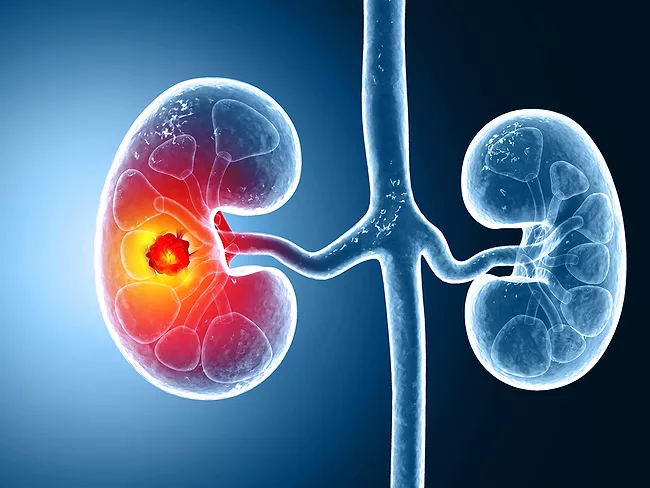
Roche Holdings AG received CE-mark for the Kidney Klinrisk algorithm, an AI-based tool developed in collaboration with Klinrisk Inc. to stratify risk and assess the progressive decline in kidney function. The software will help clinicians to make more informed decisions when accessing adults with chronic kidney disease as well as individuals with diabetes or hypertension who are at elevated risk of kidney function decline.
Owlstone Medical Ltd. has been awarded up to $49.1 million in funding by the Advanced Research Projects Agency for Health (ARPA-H) to develop over-the-counter, at-home, cancer screening tests. These tests will be able to accurately detect more than 30 cancers as early as stage I, when tumors are still small and survival rates are highest, revolutionizing the field of cancer detection and improving patient outcomes.
Newco Trogenix Ltd. has emerged from incubation and raised £70 million (US$94.1 million) in a series A, as it prepares the ground for a U.S/U.K. clinical trial of a novel gene therapy construct in glioblastoma multiforme that is due to start at the beginning of 2026.
 RSS
RSS