Sosei Group Corp. is getting €25 million (US$27.3 million) up front in a global collaboration and option-to-license deal with Boehringer Ingelheim GmbH aimed at developing GPR52 agonists, a new target for schizophrenia designed to potentially address positive, negative and cognitive symptoms at the same time.
Foreign investment in China’s biopharma sector is beginning to pick up after the hit of severe pandemic restrictions, and as Western governments look to revive trading relationships following a spate of diplomatic rows.
Another med-tech acquisition was wiped off the charts after Japan’s Olympus Corp. rescinded the acquisition of South Korean medical device firm Taewoong Medical Co. Ltd. on March 7, after finding “data integrity issues” related to Taewoong’s products.
Regulatory harmonization and reliance are the orders of the day at this year’s meeting of the International Medical Device Regulators Forum (IMDRF), but that does not mean individual regulators are waiting for IMDRF to act on their own imperatives.
Sosei Group Corp. is getting €25 million (US$27.3 million) up front in a global collaboration and option-to-license deal with Boehringer Ingelheim GmbH aimed at developing GPR52 agonists, a new target for schizophrenia designed to potentially address positive, negative and cognitive symptoms at the same time.
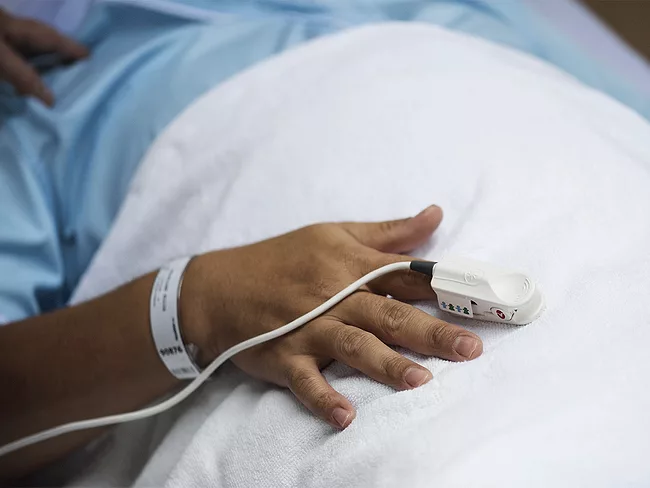
The U.K. government said it will take action to tackle potential bias in the design and use of medical devices after an independent review found that there is extensive evidence of poorer performance of certain technologies, like pulse oximeters, in patients with darker skin tones.
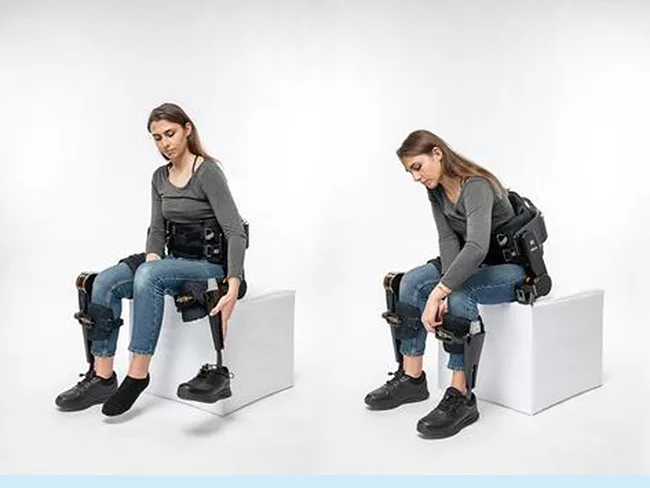
Rehab Technologies Lab recently unveiled a new robotic exoskeleton, Twin, designed for lower limbs to allow patients with spinal cord injuries to walk independently. Although Twin is currently a prototype, the company will work towards getting CE mark to bring it to the market to help patients with physical impairments integrate back into social and work environments.
A long-running lobbying effort has paid off, with the announcement of two U.K. government-backed investment vehicles through which pension funds will be able to invest in early stage private life sciences companies.
Foreign investment in China’s biopharma sector is beginning to pick up after the hit of severe pandemic restrictions, and as Western governments look to revive trading relationships following a spate of diplomatic rows. While the geopolitical tensions remain, the mantra from Europe is not to de-couple, but to de-risk. Following a policy review in 2023, the U.K. government position is that a positive two-way trade and investment relationship with China is “mutually beneficial.”
Researchers from the University of Edinburgh seek protection for an algorithm developed using artificial intelligence that could be used by doctors to diagnose heart attacks more quickly and effectively.
 RSS
RSS