Medtronic plc received CE mark for its Percept RC neurostimulator for deep brain stimulation, which the company hopes will transform brain modulation and empower patients in the E.U. with neurological indications. The device is designed to capture and record brain signals and provide clinicians with insights to enable them to adapt and personalize therapy for patients.
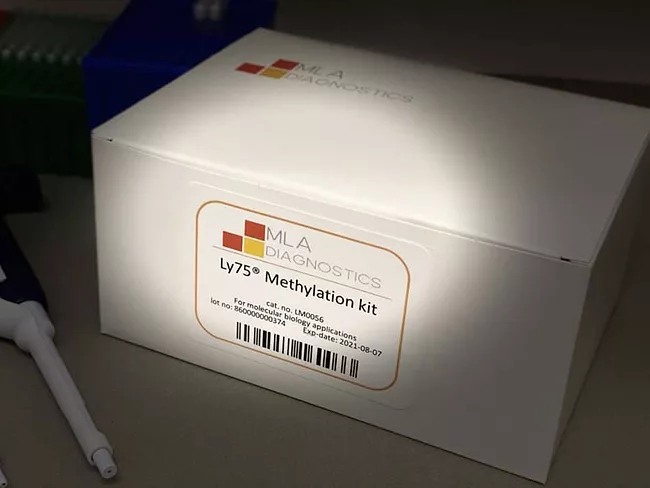
MLA Diagnostics BV secured a strategic seven-figure investment in its recent investment round to support external validation of the company’s melanoma prognosis test. Co-founders NLC Health Ventures and Brightlands Life Sciences Ventures participated in the round along with LIOF, the regional development organization for the Limburg province of the Netherlands.
Putting into jeopardy what was on track to be the first approved therapy in Europe for geographic atrophy (GA), an advanced form of age-related macular degeneration that causes blindness, Apellis Pharmaceuticals Inc. learned of a negative trend vote by the EMA’s Committee for Medicinal Products for Human Use (CHMP) on its MAA for intravitreal pegcetacoplan.
The European Union’s Artificial Intelligence Act (AI Act) is widely seen as a groundbreaking piece of legislative handiwork, but companies in the life sciences may see it as a groundbreaker with negative consequences. The latest edition of the AI Act continues to treat medical AI software as a high-risk product, which would make these products exceptionally expensive and burdensome to bring to market in the EU and convince some companies in the medical AI business to skip the European market altogether.
Biospectal SA has received a CE MDR class IIa medical device certification for its optical fingertip blood pressure monitoring app, Optibp. The device records fingertip blood flow optically and transforms the information into a pulse wave that it analyzes to estimate blood pressure.
Omini SA hopes that the multiplexed blood testing platform it is developing will transform the lives of patients suffering from heart failure. With its multiplex, sensor-based testing strip that simultaneously measures four key biomarkers from a single drop of blood, the company’s technology should increase the chance of a patient’s survival and reduce pressure on health care systems, Joanne Kanaan, CEO and co-founder of Omini, told BioWorld.
After five years and 350,000 hours of DNA sequencing, the UK Biobank has opened up access Nov. 30 to the whole genome sequences of half a million people who volunteered to give samples 15 years ago.
The U.S. FDA put out a safety warning Nov. 28 that antiseizure drugs levetiracetam and clobazam can cause a rare but serious hypersensitivity drug reaction that may start as a rash but can progress to injure internal organs. In addition, U.K. health care providers are being told to get a plan in place now to implement the first phase of the Medicines and Healthcare products Regulatory Agency’s new regulatory measures to reduce the risks of valproate, a treatment for epilepsy and bipolar disorder.
Cancer Research UK (CRUK) is worried that rising prices and its total dependence on public donations mean its funding model is becoming unsustainable. The charity is calling on the U.K. government to step in and plug a £1 billion (US$1.23 billion) shortfall it said will open up over the next decade, in order to maintain investment at 2019 levels in real terms.
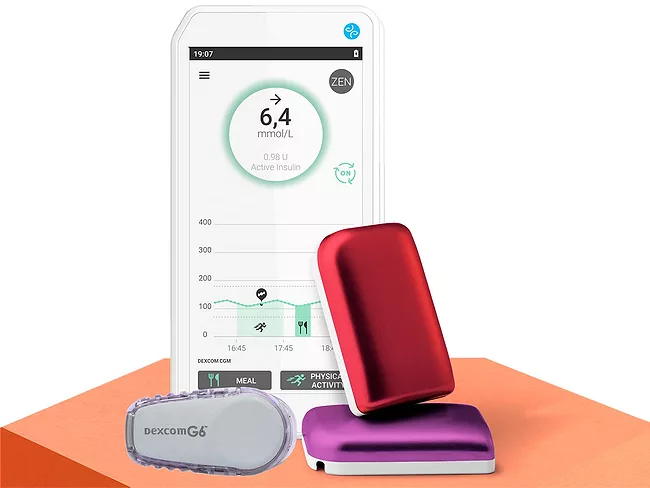
With hybrid closed-loop systems for automated insulin delivery increasingly being seen as life changing for people with diabetes, Vicentra BV has teamed up with Diabeloop SA and Dexcom Inc. to launch a system to help people with type 1 diabetes manage their condition.

 RSS
RSS