Pfizer Inc. is threatening legal action at an attempt by Novo Nordisk A/S to scupper its acquisition of Metsera Inc., with an unsolicited $9 billion offer for the anti-obesity specialist. That trumps Pfizer’s agreed bid made in September, which valued New York-based Metsera at $7.3 billion.
Roche Holdings AG received CE mark approval for its Elecsys Dengue Ag test, a fully automated, high-throughput immunoassay to help diagnose acute dengue virus infections. With cases of dengue on the rise worldwide, the test, which delivers results in 18 minutes, offers high sensitivity and specificity across all four dengue virus serotypes, and will help clinicians confidently distinguish dengue from other illnesses causing acute fever.
Qyuns Therapeutics Co. Ltd. signed a potential $1.07 billion license deal with Roche Holding AG, granting the latter exclusive rights to QX-031N – a human thymic stromal lymphopoietin and interleukin-33)-targeting bispecific antibody.
Sovargen Co. Ltd. inked a $550 million license deal with Angelini Pharma SpA, granting Angelini development and commercialization rights to SVG-105, a novel antisense oligonucleotide drug candidate in preclinical development as a potential treatment for intractable epilepsy.
Medtronic plc’s SPYRAL HTN-ON MED trial demonstrated significantly greater reduction in blood pressure with the Symplicity Spyral renal denervation procedure at three years than a sham procedure in a study presented as featured clinical research at the 2025 Transcatheter Cardiovascular Therapeutics conference in San Francisco.
Private equity firm GHO Capital raised more than €2.5 billion (US$2.9 billion) for its latest fund to invest in health care companies. The fund, GHO Capital IV LP, is the firm’s largest to date and comes despite a challenging market environment reflecting confidence from investors in GHO’s transatlantic strategy and proven record of outperformance across the health care ecosystem.
Adocia SA is looking to further apply its Biochaperone formulation technology to metabolic disorders, Olivier Soula, Adocia co-founder and CEO told BioWorld, the firmhaving recently gained positive top-line phase III results of Tonghua Dongbao Pharmaceutical Co. Ltd.’s THDB-0206 injection (Biochaperone Lispro) in diabetes patients in China.
An examination of X-ray and MRI scans of 518 patients before and after treatment with Levicept Ltd.’s Levi-04 has shown that, in addition to providing significant analgesia, the selective neurotrophin-3 inhibitor may have a disease-modifying effect in osteoarthritis of the knee.
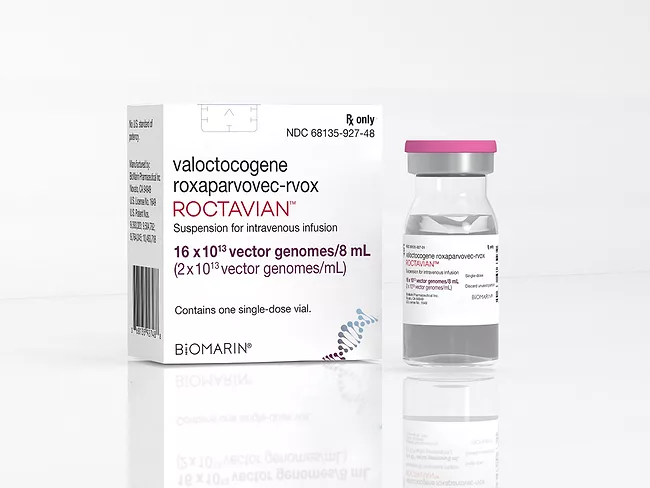
Biomarin Pharmaceutical Inc. plans to divest its pioneering gene therapy for hemophilia, Roctavian (valoctocogene roxaparvovec), and remove what had been considered a potential blockbuster from the portfolio in order to grow the company.
French VC Andera Partners has reached the first close of its Biodiscovery Fund 7 at more than €300 million (US$349 million) and says it is on track to surpass the size of the previous fund, which closed at €456 million during the pandemic-driven boom of 2021.
 RSS
RSS