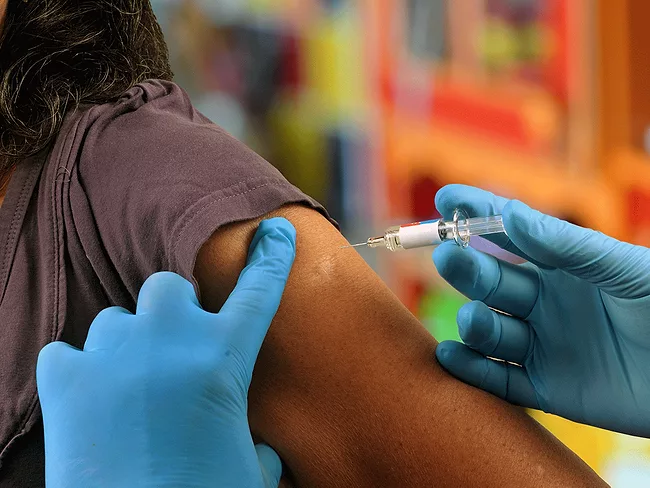
Despite some concerns from a few members, the Advisory Committee on Immunization Practices unanimously approved recommendations to the CDC that boosters be made available to those wanting them. The advisory committee recommended that a single COVID-19 vaccine booster dose be given six months or more after completing an mRNA primary series in the same risk group for whom the CDC recommended a booster dose of Pfizer Inc-Biontech SA’s vaccine. The CDC presented data to the committee that the single mRNA COVID-19 vaccine dose be given to those age 65 and older, for those at least 18 years old and reside in long-term-care settings, and also for those ages 50 to 60 with certain underlying medical conditions.
As largely expected, the FDA on Oct. 20 authorized the use of booster doses for COVID-19 vaccines from Moderna Inc. and Johnson & Johnson, in line with last week’s Vaccines and Related Biological Products Advisory Committee (VRBPAC) meetings. It also cleared the way for “mix-and-match” boosters, allowing eligible people to receive boosters from any of the FDA-approved vaccines, regardless of which vaccine they received originally.
A few months after disclosing its merger with Chiasma Inc., Amryt plc rolled out second quarter financials pleasing to Wall Street, where considerable interest has begun to manifest in the company’s epidermolysis bullosa program with Filsuvez, also known as Oleogel-S10.
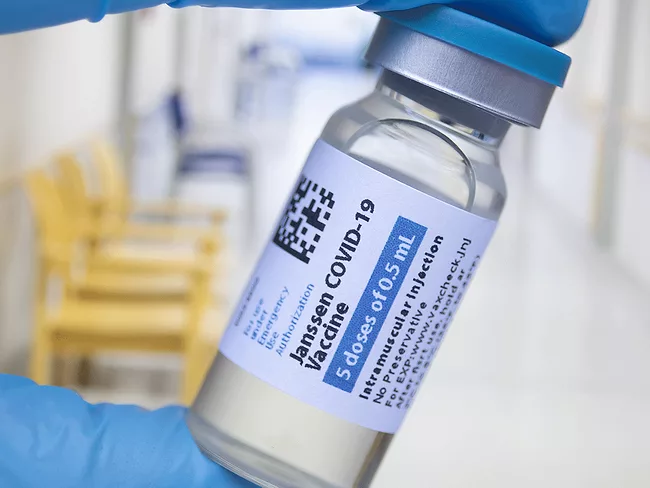
The FDA’s Vaccines and Related Biological Products Advisory Committee unanimously agreed to recommend a booster dose of Janssen Biotech Inc.’s COVID-19 vaccine for those age 18 years and older at least two months following the first dose. In the end, the vote swung on numbers from Janssen showing a booster significantly improved efficacy among study participants. Janssen’s data leaped to 94% protection after a booster dose, up from 70% efficacy following the first dose. That higher efficacy rate nearly matches that of the mRNA vaccines from Moderna Inc. and Pfizer Inc.-Biontech SE.
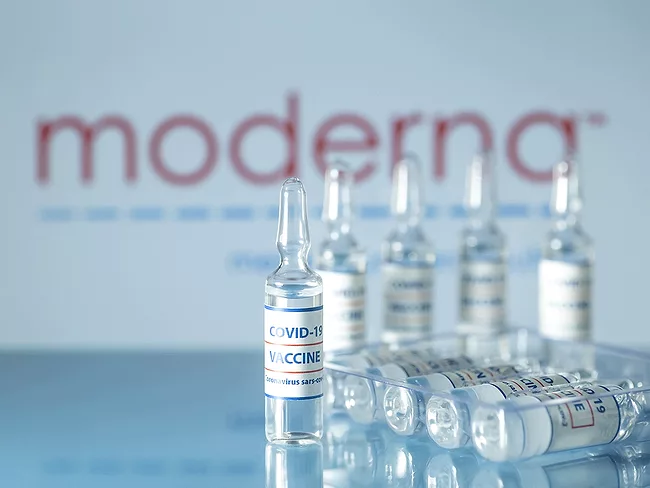
Given the FDA’s Vaccines and Related Biological Products Advisory Committee’s unanimous vote last month to recommend use of a booster dose of the Pfizer Inc.-Biontech SE COVID-19 vaccine in certain high-risk groups, it came as no surprise when the committee again voted unanimously Oct. 14 for a mirror use of Moderna Inc.’s proposed booster.
Should Johnson & Johnson’s (J&J) COVID-19 vaccine be a two-dose series? While not directly asked, that question almost lurks between the lines of the FDA’s briefing document for the Oct. 15 meeting of its Vaccines and Related Biological Products Advisory Committee. The document referred to J&J’s proposed second dose as a “booster,” but the FDA isn’t asking the committee the questions it posed for the Moderna Inc. and Pfizer Inc.-Biontech SE boosters. Instead, it is inviting VRBPAC to advise on whether the second J&J dose should be administered two months or six months following the first shot.
Although the need for COVID-19 boosters remains a tense debate among policymakers and scientific experts worldwide, the U.S. FDA is basing its Oct. 14-15 Vaccines and Related Biologics Products Advisory Committee meeting on the premise that vaccine boosters are needed.
FDA preemption of state liability law has proven controversial on a number of occasions, a fact of life resurrected by a case arising out of the Supreme Court of the State of Mississippi. The court declared that the FDA must invoke the rulemaking process for its regulation of medical product labels.
If the FDA follows the advice of its Antimicrobial Drugs Advisory Committee, Takeda Pharmaceutical Co. Ltd.’s antiviral drug, maribavir, will become the first drug approved in the U.S. to treat resistant or refractory cytomegalovirus infection and disease in both solid organ and hematopoietic stem cell transplant recipients.
 RSS
RSS