The U.S. Federal Trade Commission (FTC) has restored a rule that requires prior authorization for any mergers that affect a market that was the subject of previous allegations of attempted anticompetitive behavior. The agency’s press release on the change seems to respond to the decision by Illumina Inc. to complete its acquisition of Grail Inc. and its multicancer screening test, as indicated by the statement that the policy would address the behavior of companies that see little risk to their long-term market strategies despite FTC opposition to an acquisition.
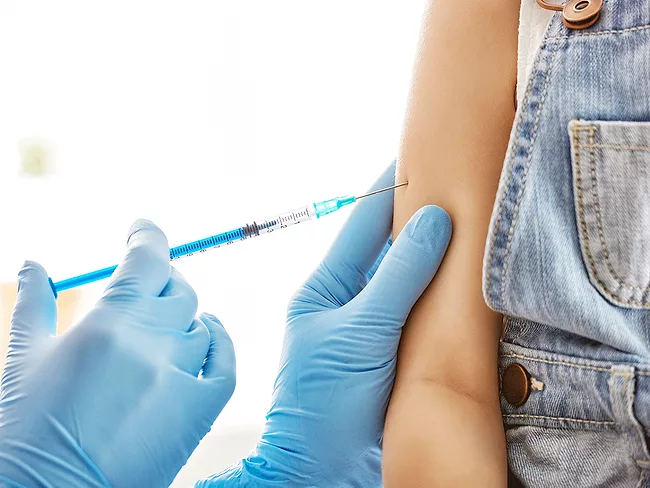
The FDA’s Vaccines and Related Biological Products Advisory Committee (VRBPAC) voted 17-0, with one abstention, that the benefits of Pfizer Inc.-Biontech SE pediatric formulation of its two-dose COVID-19 vaccine outweigh its risks for children ages 5 through 11. Many of those votes came with caveats, as the VRBPAC members struggled with the unknowns of the vaccine and the fear that schools would mandate its use, even though it would still be considered experimental if the FDA grants it an emergency use authorization.
DUBLIN – Oncopeptides AB has withdrawn its troubled multiple myeloma
drug Pepaxto (melphalan flufenamide) from the U.S. market, less than eight months after receiving an accelerated approval from the FDA. The move comes less than a week before the FDA’s Oncologic Drugs Advisory Committee was due to consider the drug’s safety profile because of data anomalies that surfaced over the summer.
Pfizer Inc. said that, in children aged 5 through 11, the COVID-19 vaccine it co-developed with Biontech SE showed 90.7% efficacy against all variants of concern following two doses. The data were included in briefing documents filed ahead of a full discussion at the FDA’s Vaccines and Related Biological Products advisory committee meeting set for Oct. 26.
The push for legislation that would lower prescription drug prices in the U.S. has mounted in recent months, but support for Medicare pricing negotiations has faltered in the past few weeks. Sen. Bob Menendez (D-N.J.) is the latest Senate Democrat to signal his aversion to giving the government the authority to negotiate prices with drugmakers, breathing new life into hopes that the pharmaceutical industry will yet again escape a mechanism that critics say would suppress innovation at the expense of patients in desperate need of state-of-the-art therapies.
Despite some concerns from a few members, the Advisory Committee on Immunization Practices unanimously approved recommendations to the CDC that boosters be made available to those wanting them. The advisory committee recommended that a single COVID-19 vaccine booster dose be given six months or more after completing an mRNA primary series in the same risk group for whom the CDC recommended a booster dose of Pfizer Inc-Biontech SA’s vaccine. The CDC presented data to the committee that the single mRNA COVID-19 vaccine dose be given to those age 65 and older, for those at least 18 years old and reside in long-term-care settings, and also for those ages 50 to 60 with certain underlying medical conditions.
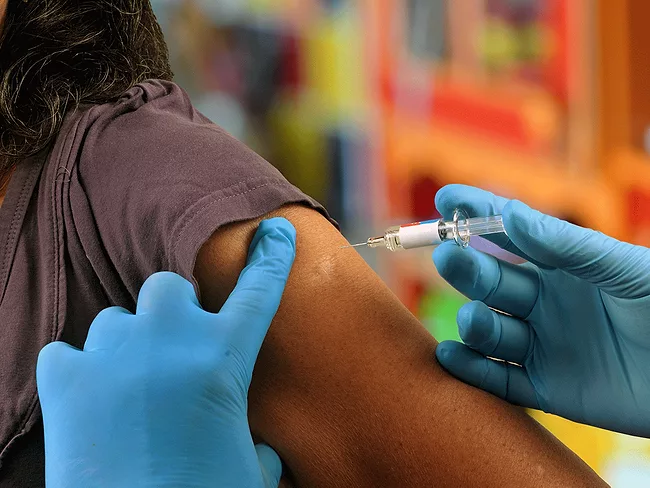
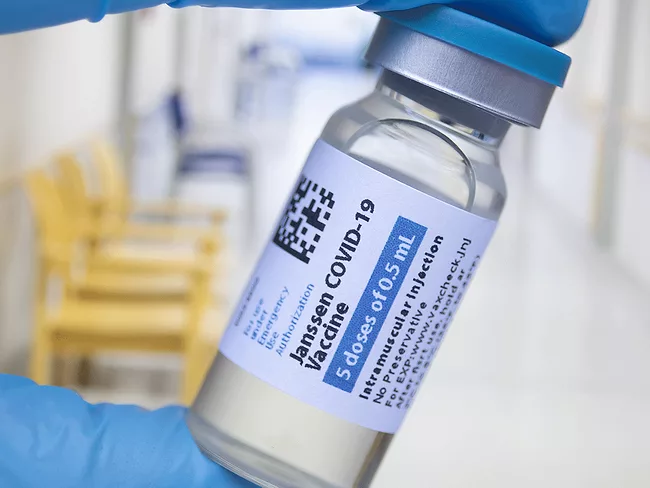
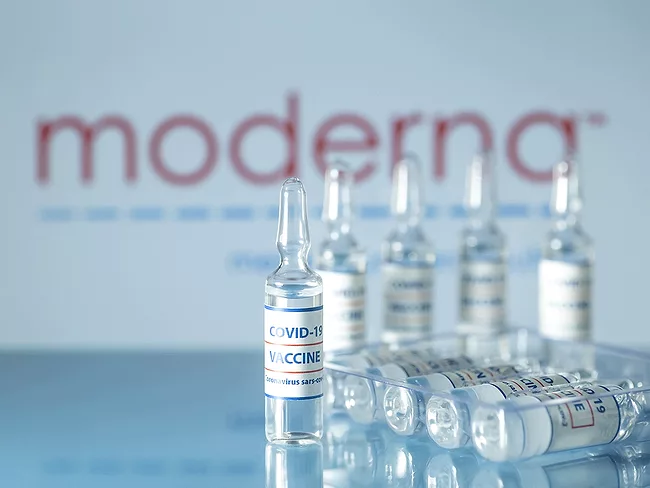
As largely expected, the FDA on Oct. 20 authorized the use of booster doses for COVID-19 vaccines from Moderna Inc. and Johnson & Johnson, in line with last week’s Vaccines and Related Biological Products Advisory Committee (VRBPAC) meetings. It also cleared the way for “mix-and-match” boosters, allowing eligible people to receive boosters from any of the FDA-approved vaccines, regardless of which vaccine they received originally.
A few months after disclosing its merger with Chiasma Inc., Amryt plc rolled out second quarter financials pleasing to Wall Street, where considerable interest has begun to manifest in the company’s epidermolysis bullosa program with Filsuvez, also known as Oleogel-S10.
The FDA’s Vaccines and Related Biological Products Advisory Committee unanimously agreed to recommend a booster dose of Janssen Biotech Inc.’s COVID-19 vaccine for those age 18 years and older at least two months following the first dose. In the end, the vote swung on numbers from Janssen showing a booster significantly improved efficacy among study participants. Janssen’s data leaped to 94% protection after a booster dose, up from 70% efficacy following the first dose. That higher efficacy rate nearly matches that of the mRNA vaccines from Moderna Inc. and Pfizer Inc.-Biontech SE.
Given the FDA’s Vaccines and Related Biological Products Advisory Committee’s unanimous vote last month to recommend use of a booster dose of the Pfizer Inc.-Biontech SE COVID-19 vaccine in certain high-risk groups, it came as no surprise when the committee again voted unanimously Oct. 14 for a mirror use of Moderna Inc.’s proposed booster.
 RSS
RSS