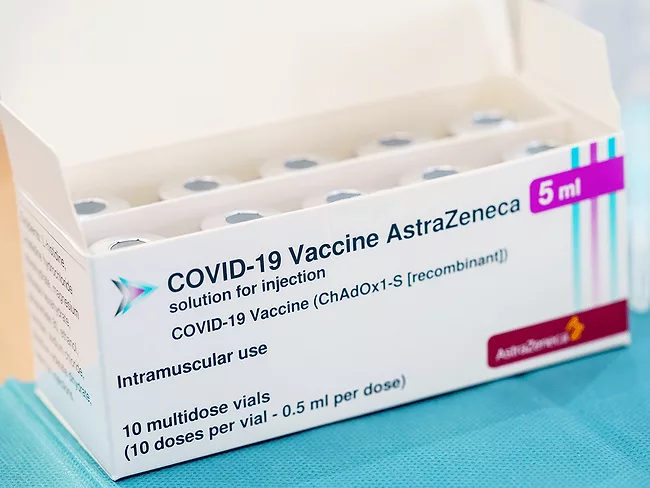
LONDON – Astrazeneca plc promised to publish the primary analysis of the phase III U.S. trial of its COVID-19 vaccine by the morning of March 25, after chastisement from the data safety monitoring board (DSMB) for using “outdated” information in the interim results published on March 22.
If the biopharma industry thought its round-the-clock efforts and considerable financial investments in tackling COVID-19 would earn it good will in the U.S. Congress, those hopes were dashed March 23 when both Democrats and Republicans serving on a Senate Health, Education, Labor and Pensions subcommittee reverted to blaming drug companies for much of what’s wrong with the U.S. health care system.
With the December PDUFA date already blown, Pfizer Inc. is headed into a day-and-a-half FDA advisory committee meeting this week to make the case for 2.5-mg tanezumab, a potential first-in-class treatment in the U.S., partnered with Eli Lilly and Co. Inc., for chronic pain due to moderate to severe osteoarthritis.
“We’re launching at the right time,” said Frank Sanders, president of Zealand Pharma A/S’s business in the U.S., in the wake of clearance granted by the FDA for the Copenhagen, Denmark-based firm’s glucagon analogue Zegalogue (dasiglucagon) in severe hypoglycemia.
A U.S. Senate committee met March 18 to review the federal government’s response to the COVID-19 pandemic, during which former FDA commissioner David Kessler said the Trump administration’s vaccine contracts were expensive, but effective in ensuring a robust supply. Nonetheless, Sen. Chris Murphy (D-Conn.) said one vaccine manufacturer had recently voiced an interest in charging more on a per-dose basis for its vaccine, and suggested that the cost of booster shots should perhaps be examined anew by the Biden administration.
Responding to concerns about last-minute changes the Trump administration made to the Part D Payment Modernization Model for calendar year 2022, the Centers for Medicare & Medicaid Services (CMS) said March 16 that it is not moving forward with the formulary flexibilities that could have restricted Medicare patients’ access to necessary drugs.
A data-blocking rule set to go into effect in the U.S. April 5 could make it easier for sponsors to get the real-world data they need to demonstrate postmarket evidence of the safety and efficacy of their drugs and devices and to develop future products.
Oncology drugs that have racked up a number of indications through accelerated approvals are losing some of those indications as the result of an FDA industrywide evaluation of confirmatory trials that didn’t back up the approvals.
Mouse traps. Bird excrement. Insects. Rusted equipment and peeling paint. Employees not gowning properly for a clean room or washing their hands after using the bathroom. Those are just some of the things the FDA is missing as it relies on document reviews, sampling at the border and other alternatives to onsite drug inspections during the pandemic.
The Institute for Clinical and Economic Review (ICER) took Fibrogen Inc., of San Francisco, to task for not disclosing data from completed roxadustat trials.
 RSS
RSS