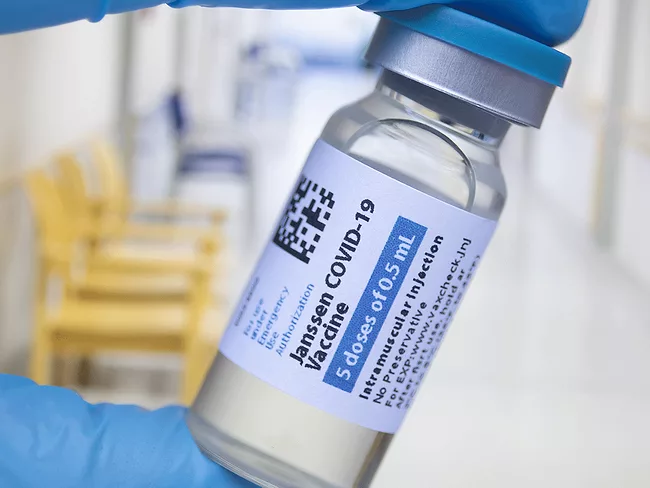
The Biden administration’s May 5 about-face on the proposed TRIPS waiver of intellectual property (IP) protections for COVID-19-related medical products is not playing well with U.S. industry, EU trading partners and others concerned about the long-term unintended consequences.
Once again, the World Trade Organization (WTO) postponed a decision on a temporary intellectual property (IP) waiver for COVID-19 vaccines and other related medical products.
The 2021 Special 301 Report recently released by the U.S. Trade Representative is mostly déjà vu for the 32 countries included on the Priority Watch and Watch Lists, as all of them have appeared before on the lists that call out U.S. trading partners for unfair intellectual property practices that disadvantage foreign companies.
Nearly a week after U.S. President Joe Biden called on Congress to get prescription drug pricing reform done, a House subcommittee took up dueling bills aimed at bringing down drug prices.
As part of a U.S. FDA evaluation of confirmatory trials for anti-PD-1/PD-L1 antibodies, the agency’s Oncologic Drugs Advisory Committee (ODAC) is being asked this week to consider whether three blockbuster biologics should continue to be available for certain cancer indications for which they received accelerated approval. At question is whether the data from the confirmatory trials for the Roche Group’s Tecentriq (atezolizumab), Merck & Co. Inc.’s Keytruda (pembrolizumab) and Bristol Myers Squibb Co.’s Opdivo (nivolumab) has proved sufficient benefit in particular indications and, if not, whether alternative or ongoing trials could do so.
The CDC’s Advisory Committee on Immunization Practices again took up the matter of risk vs. benefit with the COVID-19 vaccine made by Johnson & Johnson, and proved significantly less skeptical at its second meeting. The FDA and CDC swiftly determined that the recommended pause should be lifted and use of the vaccine should resume.
As of 2020, the NIH had identified 507 grant recipients who potentially had undisclosed conflicts of interest, with many of those conflicts involving affiliations with foreign governments that may expect the scientists to share or steal NIH-funded research.
The FDA lost another hearing in the lawsuit filed against the agency by Genus Medical Technologies LLC in a case that yet again resurrects the product classification question. Both courts that heard the lawsuit asserted that the FDA does not enjoy unfettered discretion to classify a device as a drug merely as part of its authority under the Administrative Procedures Act (APA).
Persistent U.S. drugs supply chain vulnerabilities, troublesome even before the COVID-19 pandemic, are drawing new attention in Washington. Now, with growing calls to increase supply chain resilience and a Biden administration executive order calling for an assessment of the situation, experts are looking for new paths to limit the risk of drug shortages, protect patient health, and to address pandemic preparedness and other national and health security threats.
DUBLIN – The Biden administration’s proposals on global corporation tax reform have set alarm bells ringing across the Irish government, as officials digest the possible implications of the plan for Ireland's foreign direct investment model of economic development.
 RSS
RSS