The U.S. Supreme Court, in a 7-2 opinion dismissing a challenge to the Affordable Care Act (ACA), removed a threat to the future of the Biologics Price Competition and Innovation Act (BPCIA) and the biosimilars pathway it created.
The U.S. government on June 17 announced plans for a multi-faceted $3.2 billion investment in the development and manufacture of new antivirals for preventing serious COVID-19 illness and death.
After delaying it twice, the U.S. Department of Health and Human Services (HHS) is proposing to rescind a Trump-era rule that would have given certain low-income patients insulin and injectable epinephrine products at the steeply discounted 340B rate.
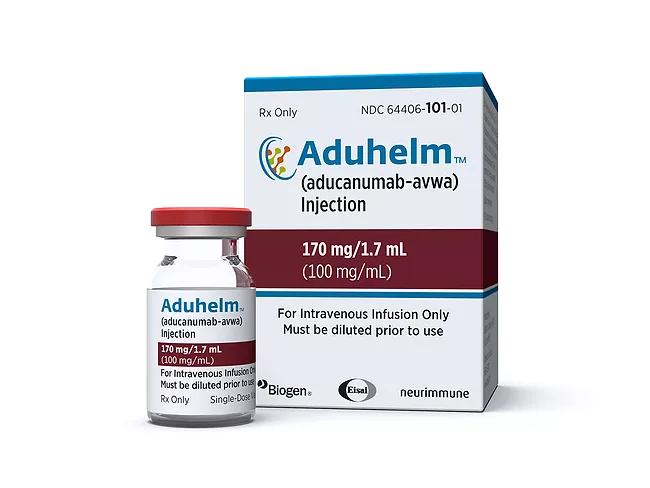
Biogen Inc.’s pricing of its newly approved Alzheimer’s drug, Aduhelm (aducanumab), has made it the latest bull’s eye for lawmakers and advocacy groups targeting U.S. drug prices, especially given the controversy surrounding the drug’s approval, which has resulted in the resignation of three of the 11 members of the FDA’s Peripheral and Central Nervous System Drugs Advisory Committee.
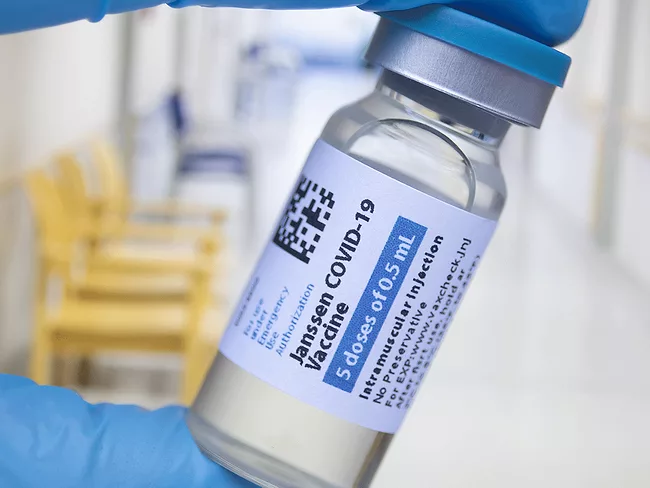
The FDA has authorized two batches of Johnson & Johnson’s COVID-19 vaccine from a troubled Emergent Biosolutions Inc. manufacturing facility to be made available under emergency use authorization (EUA) while determining that several other batches were unsuitable for use. While the FDA would not confirm the number of unsuitable batches, the newly authorized batches, however, can be used in the U.S. or exported.
Of all the controversies surrounding the FDA, the agency’s reliance on user fees and its use of accelerated review of therapies might be the most consistent sources of public angst. Coleen Klasmeier, a partner of Sidley Austin LLP, told BioWorld that while she is not particularly concerned about regulatory capture stemming from FDA reliance on user fees, it may be appropriate to ask whether the drug premarket review process leaves FDA staff with more confidence in a new drug application than the data would seem to suggest.
The good of the many versus the good of the individual is the age-old question that faced the FDA’s Vaccines and Related Products Advisory Committee (VRPAC) June 10 as it considered the risk-benefit issues of COVID-19 vaccines in children. Panelist Cody Meissner, director of pediatric infectious disease at Tufts Medical Center, said while he believes a vaccine is needed for children, he wants to know that the safety of the vaccine is greater than the risk of hospitalization for people younger than 18.
Heralded as a potential turning point for U.S. innovation in the 21st century, the U.S. Innovation and Competition Act, S. 1260, is a big step closer to becoming law. The Senate voted 68-32 June 8 to pass the sweeping $250 billion bipartisan bill intended to give the U.S. an edge over China when it comes to innovation and investment in several critical industries, including artificial intelligence, biotechnology and quantum computing.
Recognizing that people with cancer want to know what symptoms they may experience and how a particular therapy may affect their quality of life, the FDA is issuing a draft guidance advising sponsors on incorporating a core set of patient-reported outcomes (PROs) into cancer clinical trials.
Phase III stakes are always high. But for Merck & Co. Inc., results of a late-stage test of its SARS-CoV-2 antiviral, molnupiravir, stand to determine not just the fate of a desired emergency use authorization (EUA), but also a $1.2 billion purchase agreement with the U.S. government pending the EUA. The RNA polymerase inhibitor, invented at Emory University and developed with Ridgeback Biotherapeutics LP, is being evaluated in a phase III study for the treatment of non-hospitalized patients with mild to moderate COVID-19. An earlier study found it unlikely to deliver clinical benefit for hospitalized patients.

 RSS
RSS