The amount of money raised through global biopharma IPOs in the first seven months of 2025 is at the lowest level since 2016, and more than half of the 13 completed through July were done on ex-U.S. exchanges. Only five of the companies have U.S. roots, while the rest are based in Asia: four in China, two in South Korea, one in Taiwan and one in Hong Kong.
Eli Lilly and Co. has fallen into line with U.S. President Donald Trump’s May 12 executive order on most-favored nation pricing, announcing it will put up drug prices in Europe in order to make them lower in the U.S. In a statement on Aug. 14, the company said it supports the Trump administration’s objective of more fairly sharing costs of “breakthrough medical research” across developed countries.
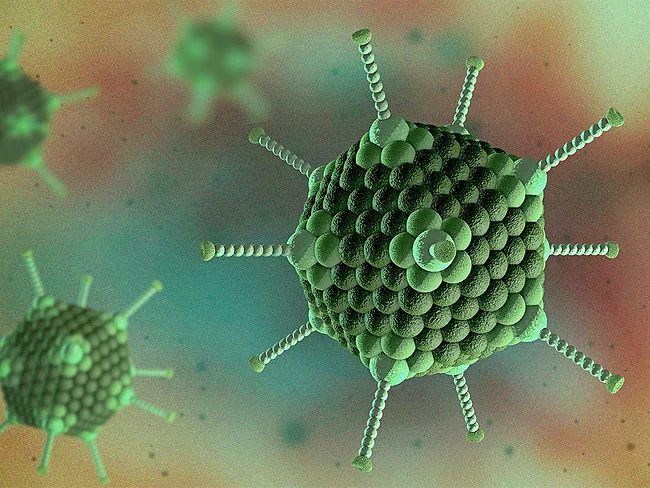
The U.S. FDA has given a swift and full approval to Precigen Inc.’s gene therapy, Papzimeos (zopapogene imadenovec), for treating adults with recurrent respiratory papillomatosis (RRP), a rare and chronic disease characterized by benign tumors in the respiratory tract.
The U.S. Centers for Medicare & Medicaid Services proposed to use AI to cut down on abuse of the Medicare program, but several members of Congress have concerns about the notion, given that private payers have used AI to illegitimately deny services to their beneficiaries.
In his latest effort to incentivize domestic manufacturing of drugs and their key ingredients, U.S. President Donald Trump issued an executive order Aug. 13 to replenish the country’s nearly empty Strategic Active Pharmaceutical Ingredients Reserve (SAPIR), giving a preference to U.S.-produced APIs.
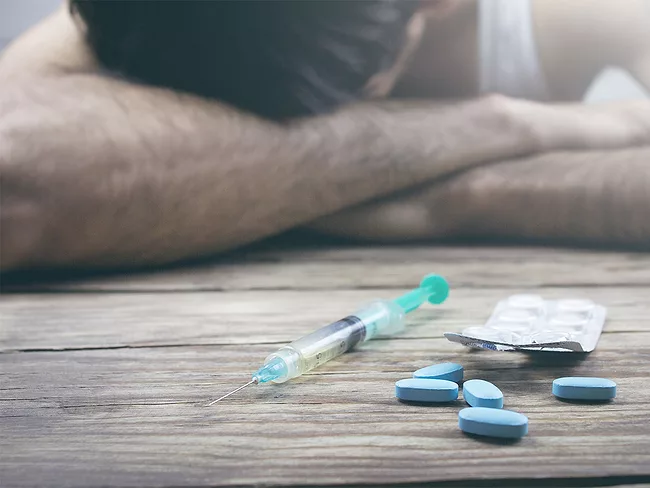
Elysium Therapeutics Inc. aims to tackle the problem of opioid overdose with a longer-lasting rescue agent that gets around the not-much-publicized problem of fentanyl rebound, or re-narcotization, which happens when the standard reverser wears off and the culprit drug stays active in the body, potentially killing the patient.
Superluminal Medicines Inc. and Eli Lilly and Co. are collaborating in a deal to develop cardiometabolic disease and obesity therapies by aiming at undisclosed G protein-coupled receptor targets. The deal could bring Superluminal as much as $1.3 billion, including up-front and near-term investments, an equity investment, development and commercial milestones, plus tiered royalties on net sales.
Doing his version of the Texas Two-Step, Texas Attorney General (AG) Ken Paxton is again shuffling Eli Lilly and Co. into a state courtroom – this time for allegedly overstepping the anti-kickback line.
The increasing recognition of its importance in national security, economic growth and health has seen biotech emerging as the latest frontier in geopolitical competition, with implications for companies ranging from startups to multinationals – and for global investment in the sector.
Novartis AG’s monoclonal antibody, ianalumab, has notched back-to-back wins, one in treating Sjögren’s disease and the other for primary immune thrombocytopenia (ITP). In Sjögren’s, which has no U.S. FDA-approved treatment, the phase III Neptunus-1 and Neptunus-2 studies are the first phase III trials to prompt statically significant reductions in adults with the autoimmune disease. In ITP, a disease that has yet to see a cure, top-line data of a phase III study of ianalumab combined with eltrombopag stretched to the time to treatment failure compared to placebo, the primary endpoint showing the maintenance of safe platelet levels.
 RSS
RSS