First quarter 2025 results presentations were the first chance analysts have had to quiz pharma companies in public about their exposure to the threat of U.S. import tariffs and what action they are taking to mitigate the risks. BioWorld reporters have listened in to the analyst meetings and filleted out responses to the tariff question by CEOs and senior executives, to get an overview of how the sector as a whole is responding. One thing is very clear: While pharmaceuticals are for now exempt from tariffs, the industry has been bracing for their imposition whilst at the same time lobbying strongly against them, on the grounds that drug shortages could result.
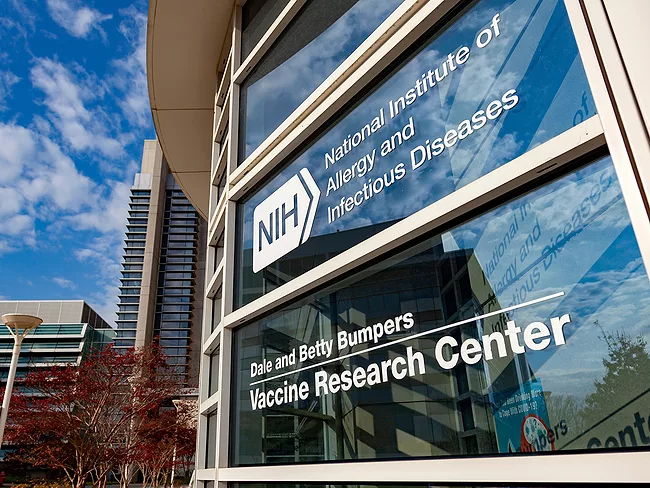
In a paradigm shift from private-sector partners, the U.S. Department of Health and Human Services (HHS) and the NIH announced May 1 the development of Generation Gold Standard, a next-generation, universal vaccine platform that uses a beta-propiolactone-inactivated, whole-virus to target pandemic-prone viruses.
Following a complete response letter last year, Satsuma Pharmaceuticals Inc. received U.S. FDA approval of dihydroergotamine nasal powder to treat acute migraine with or without aura. Branded Atzumi, it is the first product that uses Satsuma’s SMART (Simple MucoAdhesive Release Technology) platform that combines an advanced powder and device technology aimed at making delivery more simple.
Clinical results offered at the recent meeting of the American Urological Association in Las Vegas signal that better treatments may lie ahead for non-muscle invasive bladder cancer.
Dimerix Ltd. sealed an exclusive license agreement with Amicus Therapeutics Inc. for commercialization of its phase III kidney disease candidate, DMX-200, in a deal valued at AU$940 million (US$601.22 million).
“We are prepared for every scenario, even though we don’t know what some of those are.” That sums up the message from executives of Astrazeneca plc, GSK plc and Sanofi SA, when quizzed during presentations of their first-quarter 2025 results this week, about the fallout if pharmaceuticals they import to the U.S. are subject to tariffs.
Less than a week after announcing it had a new CEO, privately held Creyon Bio Inc. began a licensing and research partnership with Eli Lilly and Co. Creyon is getting $13 million up front and could bring in more than $1 billion in milestone payments. The two plan to find, develop and commercialize RNA-targeted oligonucleotide treatments for a range of diseases.
The Trump administration’s broad slash to university research budgets raises pertinent questions over impacts to the biopharma ecosystem, specifically how a changed trajectory of early research programs will affect tomorrow’s treatments and cures. Who is going to bridge research from idea to company if grants from the U.S. NIH are no longer an option?
The U.S. FDA approval of Johnson & Johnson’s Imaavy (nipocalimab-aahu) for myasthenia gravis brings the monoclonal antibody into a treatment space that teems with competition, both approved and in-development candidates. The human Fc receptor inhibitor was approved to treat generalized myasthenia gravis in patients who are 12 years and older. Patients must be anti-acetylcholine receptor [AChR] or anti-muscle-specific kinase [MuSK] antibody positive. Anti-AChR and anti-MuSK antibody-positive individuals make up more than 90% of all antibody-positive gMG patients.
If the April 30 hearing on biomedical research before the U.S. Senate Appropriations Committee is any indication, the Trump administration could face a big challenge if it tries to cut more than 40% of the NIH’s budget in fiscal 2026 as proposed and slap a 15% cap on indirect costs.
 RSS
RSS