Synchron Inc.'s recent $200 million raise for its Stentrode brain-computer interface platform comes at a pivotal time for the technology. Advances in BCI development, ongoing clinical trials and growing market demand are drawing increased investor interest in the technology which has the potential to transform the lives of millions of people. At the same time, government agencies are closely monitoring the field, recognizing the potential while urging caution about the risks involved.
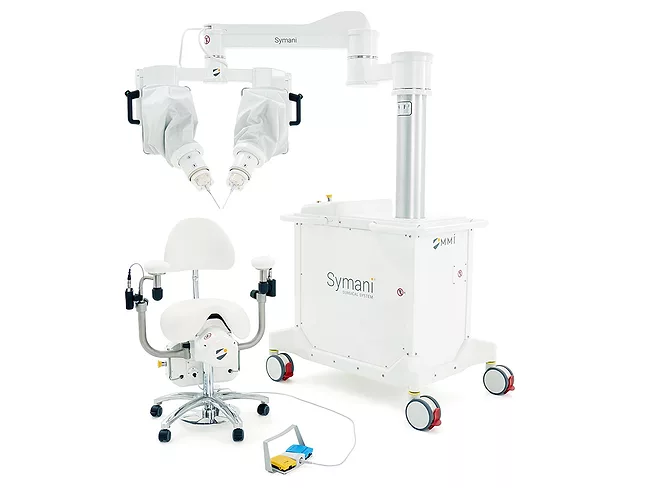
Medical Microinstruments Inc., reported the U.S. FDA approval of an investigational device exemption for a study using its Symani surgical system for treating Alzheimer’s disease, one of its earliest forays into the brain.
UNESCO has adopted the first set of global standards on the ethics of neurotechnology amid the rapid advancement in the development of the technologies and increasing investor interest. These standards, which take effect on Nov. 12, 2025, establish safeguards to ensure that neurotechnology improves the lives of those who need it the most without compromising human rights.
On Nov. 5, the Chinese Ministry of Commerce reported it would lift the export ban on Illumina Inc., which had been in place since March 4. While the ban will be lifted starting Nov. 10, Illumina remains on the unreliable entities list, requiring government approval for instrument purchases.
The U.S. Patent and Trademark Office (PTO) has resurrected a previous policy that requires parties to a proceeding at the Patent Trial and Appeals Board to disclose all the parties of interest in the proceeding. PTO said this shift is driven in part by national security considerations, but the reversal forces participants in PTAB proceedings to disclose the identity of any affiliates that may have an interest in the outcome lest the petition for an administrative hearing be denied.
The U.S. FDA’s attempts to harmonize with other nations on quality management received a dose of good news recently when the International Organization for Standards decided to stand pat on ISO 13485, which also leaves the FDA’s Quality Management System Regulation intact.
The U.S. CMS has confirmed that it will cover renal denervation as a treatment for hypertension in a final coverage memo that largely mirrors the July 2025 draft. One key difference, however, is that Medicare beneficiaries are eligible for RDN after only six weeks of optimized medical therapy, half the three-month waiting period described in the draft.
Impulse Dynamics Inc. snared an affirmative Medicare coverage policy for its Optimizer cardiac contractility modulation (CCM) system, giving the company sole possession of the U.S. marketplace for this therapy at least for the time being.
The U.S. FDA’s Quality Management System Regulation (QMSR) is not technically in force until Feb. 2, 2026, but a new draft guidance from the agency’s device center seems to indicate that there is a strong element of retroactivity to the QMSR.
The U.S. CMS has adopted an aggressive payment policy for skin substitutes in the Medicare physician fee schedule for 2026, although the payment rate is sufficiently higher than the agency had proposed to mollify some critics.
 RSS
RSS