Driven by prescription drug prices and oft-repeated claims that nearly every drug developed in the U.S. owes its origins to taxpayer-funded research, watchdog groups and some lawmakers have led demands over the years for price to be considered a “reasonableness” factor in determining whether the government can march in on patents under the Bayh-Dole Act.
Med-tech companies with an AI component in their solutions will certainly find investors willing to back them. AI after all, is being used to develop more effective, smarter technologies. However, investors will only deploy capital into innovations that address genuine clinical needs. The aging population is driving interest in devices targeting cardiovascular and musculoskeletal disorders, and other solutions geared toward neurological conditions, women’s health and diagnostics are also attracting investor attention.
Danaher Corp. agreed to acquire Masimo Corp. for $9.9 billion in a move to strengthen its diagnostics business. Under the terms of the agreement, Danaher will acquire all the outstanding shares of Masimo for $180 per share in cash, representing a 38.3% premium to Masimo’s last closing price.
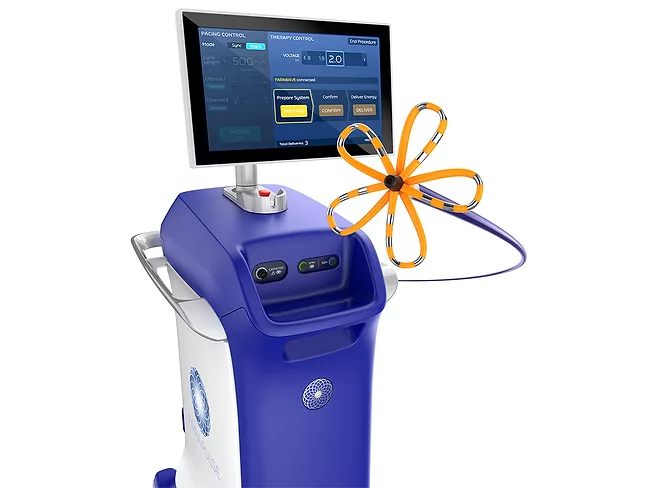
Boston Scientific Corp. recently reported new four-year data on its Farapulse pulsed field ablation platform, which demonstrated that patients with paroxysmal atrial fibrillation achieved better long-term success than those treated with thermal ablation. The data come as sales of the Farapulse system in the U.S. have begun to slow amid rising competition from other PFA technologies, particularly Medtronic plc’s Affera platform.
Global investors in med tech are confident about exit opportunities in the year ahead. The strategics have already started making acquisitions, the IPO window – which reopened last year – is expected to remain active, and the investment firms have companies in their portfolios that are well-positioned for exit. With fundamentals in the sector still robust, 2026 is expected to reward companies that deliver clear clinical value.
A jury in a U.S. District Court unanimously found that Medtronic plc violated federal and state antitrust laws relating to its blood sealing surgical devices and must pay $382 million in damages to Applied Medical Resources Corp.
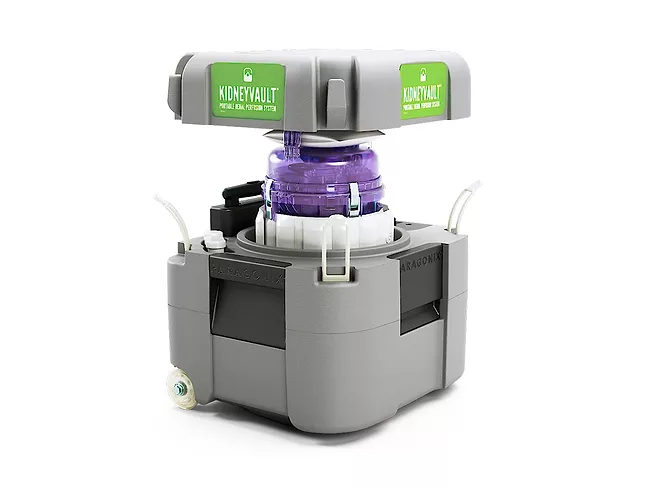
Paragonix Technologies Inc.’s Kidneyvault portable renal perfusion system managed to preserve and enable the reallocation of a donor kidney for more than 29 hours, despite prolonged ischemic time, multiple handoffs and two commercial flights. Throughout the period, the Kidneyvault maintained stable hypothermic preservation, preventing the organ from being discarded and allowing it to be transplanted into a patient.
Despite reporting strong fourth-quarter (Q4) organic sales growth of $5.29 billion, up 12.7% year-on-year, Boston Scientific Corp. saw its shares plunge more than 17% in early trading. Investors appeared disappointed by weaker U.S. sales in the electrophysiology and Watchman businesses, two of the company’s growth engines, and concern over the 2026 organic growth guidance provided by management of 10% to 11%, down from the 15.8% seen in 2025.
The U.S. FDA released the latest version of its premarket cybersecurity guidance regarding medical devices, replacing the 2025 edition and offering recommendations on implementing measures for preventing digital attacks or authorized access.
Medtronic plc is continuing to put its money where its mouth is as it plans to exercise its option to acquire Cathworks Ltd. for up to $585 million. The company said last month it was committed to expanding its pipeline through strategic investments and targeted acquisitions. The move for Cathworks comes on the heels of Medtronic’s $90 million investment in Anteris Technologies Global Corp.
 RSS
RSS