Laborie Medical Technologies Corp. secured a new gem for its maternal health with the acquisition of the Jada system from Organon & Co. The terms of the deal, first announced in November, included payment of $440 million at closing, with an additional $25 million tied to 2026 revenue targets.
A new draft guidance for organ procurement organizations doing business in the U.S. would seem to tackle some pressing issues with organ donation, such as the conditions in which a problem qualifies as an adverse event. Perhaps of greater interest to companies in the organ container business is that the Centers for Medicare & Medicaid Services is intent on increasing the availability of organ donations to deal with an insatiable demand for donated organs.
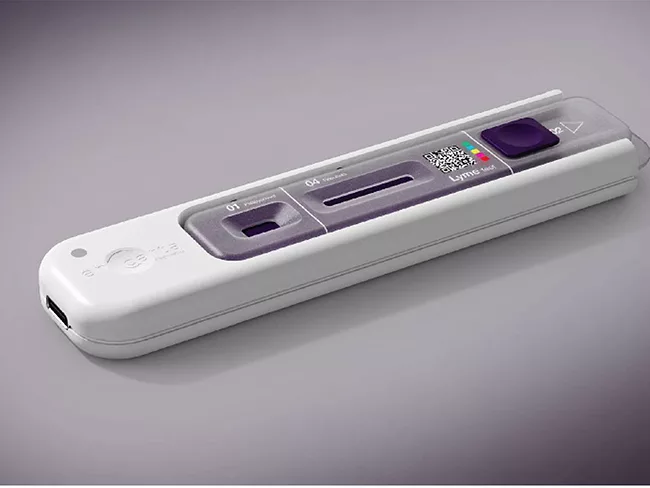
En Carta Diagnostics SA's EC Pocket Lyme received FDA breakthrough device designation for its rapid, molecular diagnostic test for the early detection of Borrelia bacteria, which causes Lyme disease. The designation marks a pivotal step for the French startup as it will enable closer interaction with the agency, accelerating its route to market, and getting it to patients sooner.
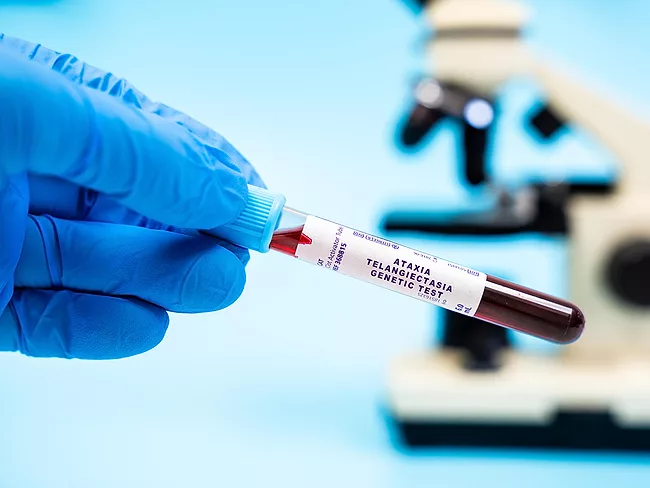
A Jan. 28 report on Medicare spending on lab tests indicated that spending on many types of tests flattened between 2022 and 2024, but spending on genetic tests rose 20% between 2023 and 2024 to $3.6 billion. While the report does not specifically call out fraud as a driver of spending, the U.S. Department of Justice posted a Jan. 26 press release identifying a case of Medicare gene testing fraud that amounted to $52 million, just one of several recent examples of this kind of fraud.
Medtronic plc acted on the increase in M&A and expansion of its investment ecosystem touted at the J.P. Morgan Healthcare Conference earlier this month with a $90 million infusion into Brisbane, Australia-based Anteris Technologies Global Corp. The investment had been contingent on a public offering of stock by Anteris, which it completed on Jan. 22. Together, the new funds for the biomimetic heart valve company totaled $320 million.
The U.S. FDA’s October 2025 draft guidance for quality management system information in premarket filings may have struck some observers as an example of regulatory overreach, given the robust opposition to several key aspects of the draft on the parts of the Advanced Medical Technology Association and the Medical Device Manufacturers Association.
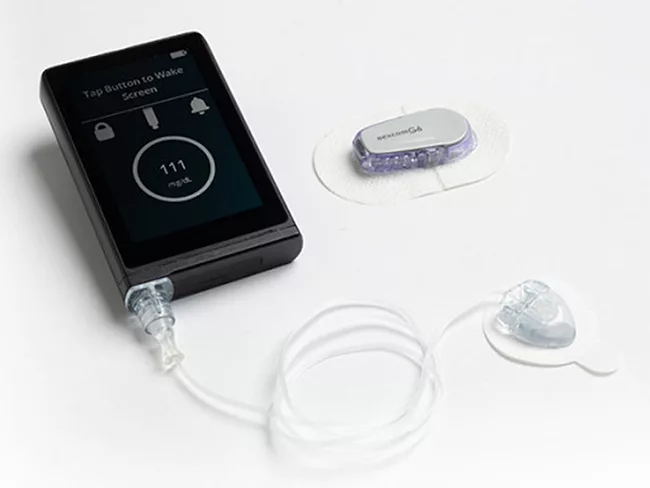
Beta Bionics Inc.’s preliminary results for its first full year as a public company offered an early read on developments and market positioning in the insulin pump and patch market, with analysts pointing to steady growth, rising pharmacy channel penetration and intensifying pressure as more products target both type 1 and type 2 diabetes.
The U.S. FDA’s Center for Biologics Evaluation and Research posted four warning letters to makers of HIV sample collection kits, an example of a shift in FDA enforcement in the IVD space that is still allowed after a historical loss in court.
The U.S. FDA’s device center posted a report on the TAP program, stating that the metrics available to date suggest the program is a rousing success. Still, there are a few key indicators that have not yet had time to emerge – such as product approvals and clearances, but those data points won’t emerge for another year or two at the inside.
In a lawsuit that’s been bouncing through the courts for years, the U.S. Court of Appeals for the District of Columbia once again cleared the way for several biopharma and medical device companies to potentially be held liable, under the Anti-Terrorism Act, for terrorist attacks against hundreds of Americans in Iraq.
 RSS
RSS