As AI continues to storm into global life, biopharma companies are figuring out ways to incorporate it into their operations, all with the goal of bringing better therapies to patients faster. At Pharma USA, a Reuters Events meeting in Philadelphia March 16-17, numerous AI companies presented their offerings to attendees, driving interest and partnerships.
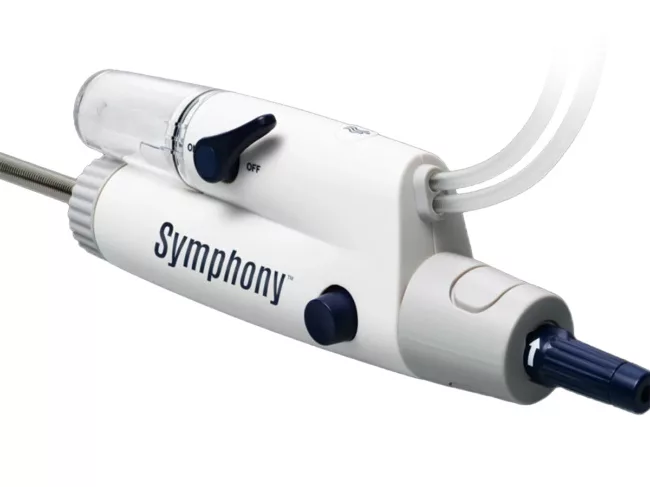
Imperative Care Inc. secured $100 million through an oversubscribed convertible note financing round to support commercialization of its stroke and vascular thrombectomy technologies. The round was co-led by new investors Elevage Medical Technologies and Perceptive Advisors alongside existing investor Catalio Capital Management LP. Also participating were new backers Longaeva Partners LP and Brown Advisory, with continued support from existing investors, including Ally Bridge Group and Bain Capital Life Sciences.
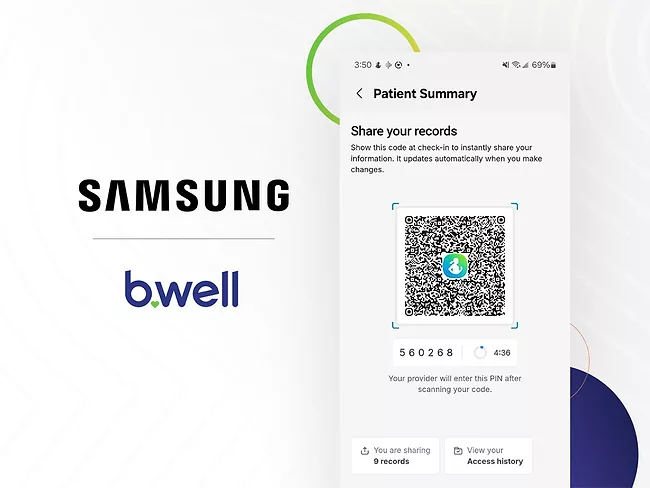
Samsung Electronics Co. Ltd. is partnering with Verily Life Sciences LLC, an Alphabet Inc. company, and B.well Connected Health to turn Samsung Galaxy phones and smart watches into the “front door” of U.S. health care.
Stryker Corp. is scrambling to recover from a cyberattack that’s disrupting its global network and being claimed by pro-Iranian hackers. “At this time, there is no indication of malware or ransomware, and we believe the situation is contained to our internal Microsoft environment only,” the Kalamazoo, Mich.-based med-tech company said March 12.
The Advanced Research Projects Agency for Health (ARPA-H) launched its Delphi program March 10 to advance the development of the next generation of wearable and ingestible biosensors that can securely report deep biological data to optimize health care.
The U.S. FDA has begun moving its patchwork of adverse event (AE) reporting systems into a single, intuitive AE platform that will cover all its centers.
Samsung Electronics Co. Ltd. is partnering with Verily Life Sciences LLC, an Alphabet Inc. company, and B.well Connected Health to turn Samsung Galaxy phones and smart watches into the “front door” of U.S. health care.
Medtronic plc has agreed to buy Scientia Vascular Inc. for $550 million, as it makes good on its promise to embark on more strategic acquisitions this year. The acquisition will bolster its neurovascular business as it adds a portfolio of guidewires and catheters, which uses Scientia’s microfabrication technology to simplify complex neurovascular procedures.
The U.S. FDA released an early alert March 10 regarding the rupturing or bursting of certain Erbe USA Cryoprobes when they’re activated. Meanwhile, the company is voluntarily recalling the affected Erbe Flexible Cryoprobes, which use extreme cold and cryoadhesion for procedures such as the removal of blood clots, necrotic tissue, and tissue tumors and biopsies.
Agilent Technologies Inc. has agreed to buy Biocare Medical LLC for $950 million in cash in a bid to strengthen its pathology portfolio. The deal adds Biocare’s complementary immunohistochemistry antibodies, reagents and instruments portfolio to Agilent’s existing offerings, and expands its ability to serve a wider range of pathology laboratories across clinical and research settings.
 RSS
RSS