Burning Rock Biotech Ltd.’s share price flared up on Tuesday morning on news of U.S. FDA breakthrough device designation for its Overc multi-cancer detection blood test (MCDBT). The stock closed on Dec. 30, 2022, at $2.26 and rose sharply on the announcement to open at $2.89. By the end of the day, however, the stock had sunk to $2.15.
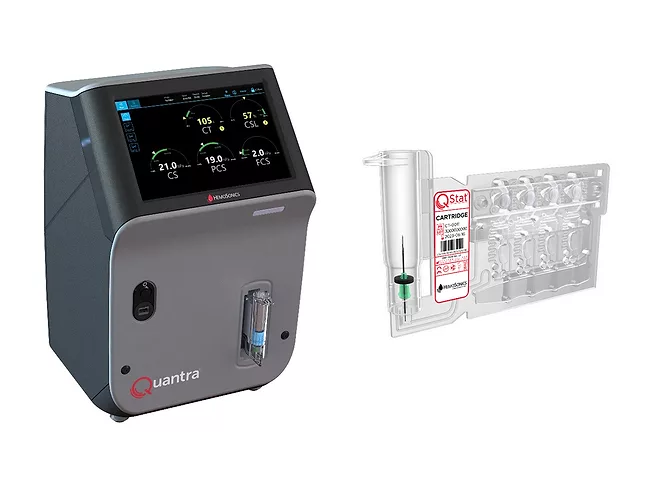
Hemosonics LLC said it was recently awarded U.S. FDA clearance for a new hemostasis test cartridge assay it said significantly expands the indications for clinical use of its existing Quantra system to now also include trauma and liver transplantation procedures. The expanded Quantra hemostasis system with its QStat cartridge will add to capabilities of the system’s QPlus cartridge assay already established in the point-of-care and lab-based, whole blood hemostasis testing market.
The CMS had floated a coverage concept for devices routed through the U.S. FDA breakthrough devices program shortly before the Biden administration took office, but the change in administration proved lethal to the program in terms of its initial contours. The latest development in this saga would have the program revert to an expanded use of the existing Medicare coverage with evidence development (CED) program, a far cry from the original concept of same-day coverage upon FDA approval or clearance of the device.
The U.S. FDA has approved Polarean Imaging plc’s drug-device combination product, Xenoview, for use with magnetic resonance imaging (MRI) in evaluating lung ventilation in adults and children aged 12 and older. The hyperpolarized contrast agent, which is prepared from the Xenon Xe 129 gas blend, is expected to be commercially available in the U.S. starting next month.
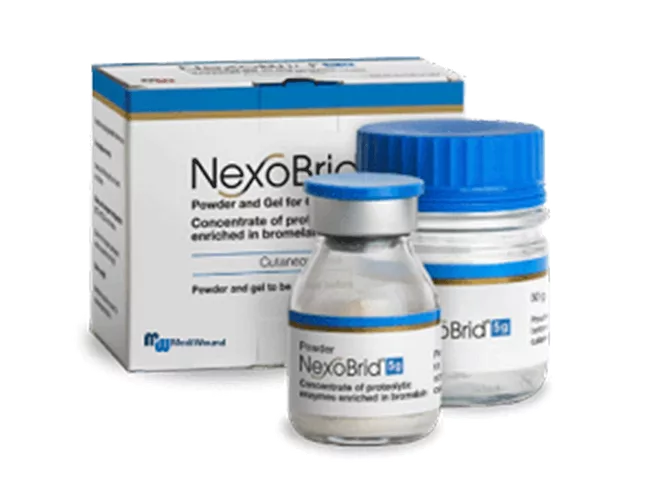
After working through a complete response letter (CRL) brought about by COVID-19 from the U.S. FDA in June 2021, Mediwound Ltd. has received the agency’s approval for Nexobrid (anacaulase-bcdb) to treat severe burns in adults.
The U.S. FDA managed to wrap up a guidance for clinical decision support (CDS) products after several years, one of several projects the agency was liable for in the area of digital health. While a much-needed draft guidance for change control for artificial intelligence algorithms made the guidance agenda for the FDA’s new fiscal year, that draft is only a B draft guidance priority, suggesting that a final guidance might not emerge until calendar year 2024, possibly later.
Metabolic health is at an odd juncture. With the advent of glucagon-like peptide (GLP-1) agonists, pharmacologically induced weight loss has matured into a viable therapeutic option at long last. And research into the drug class is continuing apace.
In 2022, neuroscience research made significant advances by understanding the role of large-scale neuronal connections in disorders. So did cancer research.
Movano Inc., dba Movano Health, expects to launch its medical-grade smart ring, Evie, on a one-time cost basis in 2023. The digital wearable, which is designed specifically for women, collects a range of health and wellness metrics, and translates them into personalized, actionable insights for wearers and their doctors.
Continuous positive airway pressure (CPAP) devices made by Philips Respironics Inc. are still presumed by the U.S. FDA and other regulators to present a health hazard to patients, but the company’s latest data seem to suggest otherwise. In a Dec. 21 statement, the Royal Philips subsidiary said that testing suggests no appreciable harm to health related to particulate matter emissions from the polyester-based polyurethane (PE-PUR) foam in these devices, and that there is no evidence of long-term harm associated with volatile organic compounds (VOCs), both of which are conclusions with which the FDA may not agree.
 RSS
RSS
.webp?height=488&t=1670008838&width=650 "Acute myeloid leukemia")