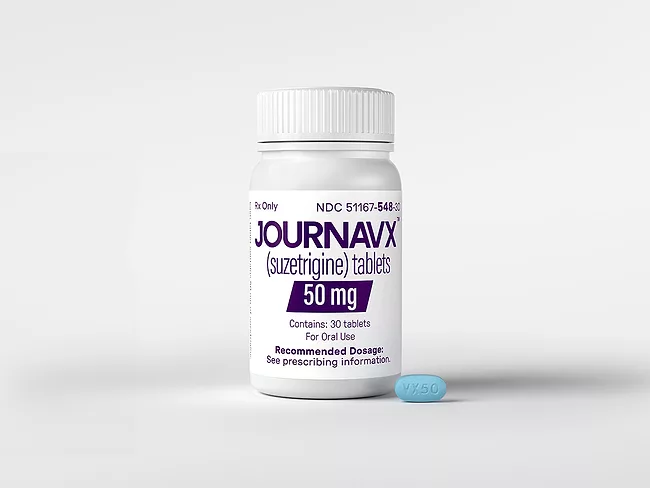
An effort two decades in the making, Vertex Pharmaceuticals Inc.’s suzetrigine gained U.S. FDA approval as the first drug targeting the NaV1.8 pain signal. Branded Journavx, the oral small molecule is cleared for use as a non-opioid option for treating moderate to severe acute pain.
One of the uncertainties in the changing of the guard in both the U.S. administration and Congress is the future of 340B reforms. Now the Inflation Reduction Act makes reforms more critical than ever, as it requires manufacturers of drugs selected for price negotiations to certify that they’re giving 340B entities the lowest price, be it the 340B discount or the maximum fair price set by the CMS as part of the negotiation process.
Alterity Therapeutics Ltd. reported positive top-line phase II results for lead candidate ATH-434 for treating multiple system atrophy, a rare neurological disorder similar to Parkinson's disease.
The EU has moved aggressively on legislation in recent years, with the AI Liability Directive serving as the latest example of legislation that sparked widespread opposition.
In a devastating blow to the company and large B-cell lymphoma patients relapsed or refractory to CD19 CAR T-cell therapy, Cargo Therapeutics Inc. terminated the phase II study of its lead CD22 cell therapy, firicabtagene autoleucel (firi-cel), and is cutting its workforce by 50% and evaluating strategic options, following disappointing data on durability of response and serious safety events, some of which were fatal.
President Donald Trump’s recently issued executive order (EO) putting a stop to diversity, equity, and inclusion programs in the U.S. government is sending ripples far and wide, into areas that some might not have anticipated. The FDA has taken down from its website the guidelines regarding action plans related to achieving diversity in clinical trials.
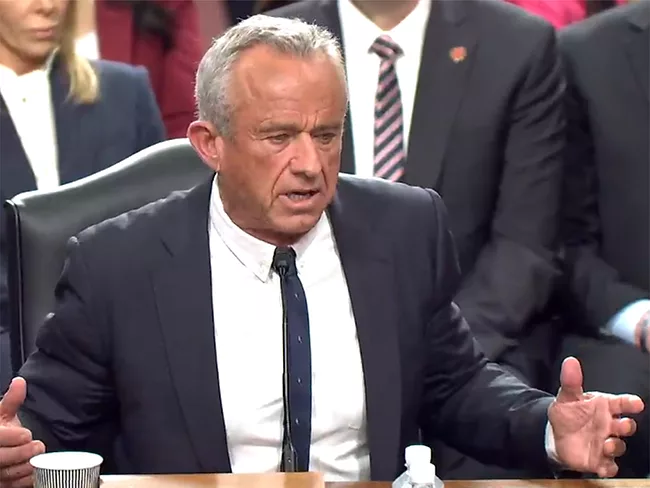
In a U.S. Senate Finance Committee confirmation hearing marked by shouted protests, outbursts of applause and tense exchanges on several issues, including ones beyond the reach of the Department of Health and Human Services (HHS), Robert F. Kennedy Jr. (RFK) tried to present himself as someone who follows the science, not a conspiracy theorist or anti-vaxxer.
False Claims Act litigation in the U.S. spiked significantly according to a new report by Gibson, Dunn & Crutcher, LLP, at least in terms of the number of cases brought to the courts. However, the report added that the total dollar value of these cases is in line with historical norms, suggesting that the average recovery amount has tapered off significantly.
In a move that the company, said demonstrates its commitment to investing in higher growth areas, Zimmer Biomet Holdings Inc. reported its plans to buy foot and ankle (F&A) orthopedic specialist Paragon 28 Inc. for an up-front payment of $13 a share in cash, corresponding to an equity value of approximately $1.1 billion and an enterprise value of approximately $1.2 billion.
In a remarkably news-filled earnings call on Jan. 28, Stryker Corp. revealed plans to sell its U.S. and spinal implants business to Viscogliosi Brothers LLC for an undisclosed sum, announced the retirement of Chief Financial Officer Glenn Boehnlein on April 1, reported sales growth of 11% for the fourth quarter and 10% for the full year 2024 and said the $4.9 billion acquisition of Inari Medical Inc. should close by the end of February.
 RSS
RSS