Novo Nordisk A/S presented a mixed bag of R&D results for its cardiometabolic assets in the first half of 2024 as it axed three drug candidates but advanced one to a late-stage study. In the search for greener pastures beyond a crowding obesity market, Novo announced Aug. 7 that it advanced ziltivekimab into a phase III study to assess the subcutaneous therapy’s cardiovascular outcomes in acute myocardial infarction patients.
The U.S. CMS announced the release of the Transitional Coverage for Emerging Technologies policy, which is less than clear on the definition of a key term.
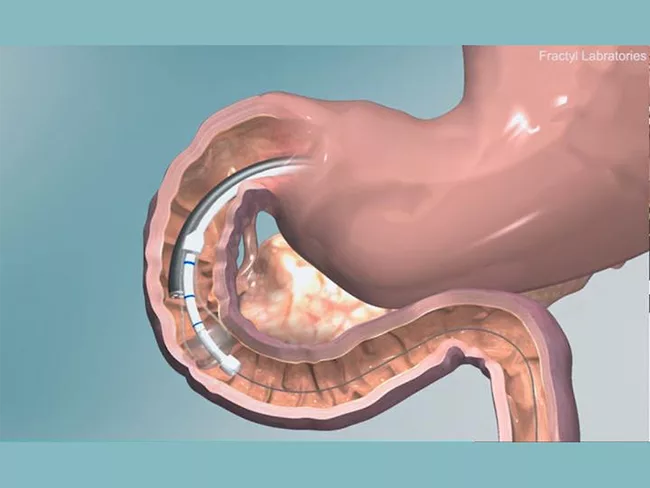
Twelve-month results from Fractyl Health Inc.’s real-world registry show sustained, significant weight loss following treatment with its Revita procedure, which uses ablation to resurface the mucosal lining of the duodenum.
Croívalve Ltd. raised $16 million in a series B financing round that will be used to fund a clinical trial in the U.S. looking at the safety and performance of its Duo system to treat patients with severe or greater symptomatic tricuspid regurgitation.
Just ahead of the Aug. 13 PDUFA date, Citius Pharmaceuticals Inc. won the U.S. FDA’s go-ahead for Lymphir (denileukin diftitox-cxdl), a new immunotherapy for relapsed/refractory (r/r) cutaneous T-cell lymphoma (CTCL) after at least one prior systemic therapy. The drug is Cranford, N.J.-based Citius’ first approved therapy and the only CTCL treatment that targets the interleukin-2 receptor found on malignant T cells and regulatory T cells. It’s also the first green light given by the FDA for r/r CTCL since 2018.
China’s Genor Biopharma Co. Ltd. agreed to out-license GB-261, its bispecific antibody candidate primarily targeting B-cell lymphomas, to TRC 2004 Inc., a U.S.-based newco co-founded by Third Rock Ventures LLC and Two River Group Holdings LLC.
Sangamo Therapeutics Inc. put pen to paper on a would-be $1.9 billion-plus deal with Genentech, a unit of Roche AG, to develop intravenously administered genomic drugs for neurodegenerative conditions.
In December 2020, Servier Pharmaceuticals LLC bought Agios Pharmaceuticals Inc.’s approved acute myeloid leukemia drug, Tibsovo (ivosidenib), and the rest of its oncology business in a deal valued at up to $2 billion. Now, the U.S. FDA has approved one of those assets, with the brand name Voranigo (vorasidenib), for treating gliomas.
With time running out on the 118th U.S. Congress, a group of lawmakers is urging the leadership of the House Energy and Commerce Committee to consider a bipartisan path forward on strengthening the 340B drug discount program.
The U.S. FDA’s discussion paper for health equity for medical devices reiterates standing policy on clinical trial enrollment, such as that the device’s pivotal study should be reflective of the intended use population.
 RSS
RSS