Despite the U.S. FDA’s tentative approval of Liquidia Corp.’s Yutrepia (treprostinil) for treating pulmonary arterial hypertension and pulmonary hypertension associated with interstitial lung disease, the company is stuck in the starting gate. Liquidia said it disagrees with the agency’s stance of simultaneously granting regulatory exclusivity in both indications to United Therapeutics Corp.’s powdered formulation of treprostinil, branded Tyvaso, until May 23, 2025. That means full approval for the inhalation powder won’t come until after that date and neither will a Yutrepia launch.
The COVID-19 pandemic drove a large volume of in vitro diagnostic test efforts toward the SARS-CoV-2 virus, such as the Biofire respiratory panel by Biofire Diagnostics LLC, of Salt Lake City, a test for which the U.S. FDA released the special controls.
Privacy legislation was passed and implemented in the European Union, but the picture in the U.S. is pockmarked by state legislation, a scenario that raises concerns about a fractured and impracticable compliance regime.
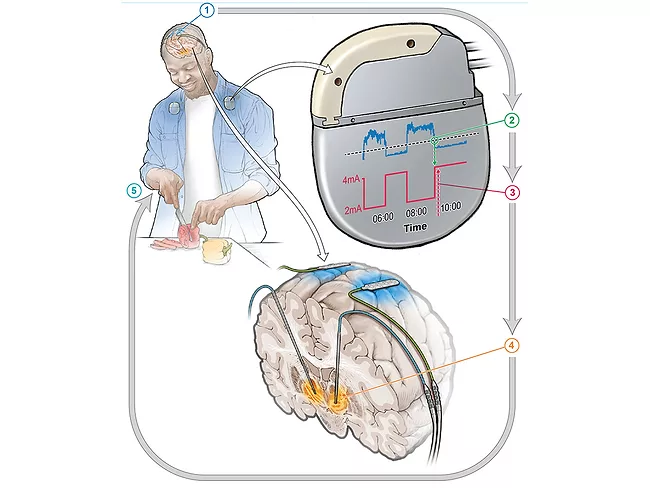
An implanted deep brain stimulator that calibrates its electrical pulses based on changes in brain activity reduced patients’ most bothersome symptoms of Parkinson’s disease 50%, a small feasibility study published in Nature Medicine found.
Edwards Lifesciences Corp. continued its recent acquisition streak with its buy of JC Medical Inc., a subsidiary of Genesis Medtech International. The sale included the intellectual property and commercial rights for the J-Valve system, a transcatheter aortic valve replacement for the treatment of severe aortic regurgitation.
The year 2024 squeaked through another IPO this week, that of Actuate Therapeutics Inc., which raised $22.4 million becoming the 15th biopharma company to debut on U.S. exchanges this year. Out of 17 companies total, including one listing on the Hong Kong Stock Exchange and another on the SIX Swiss Exchange, the industry has raised a total of $4.8 billion through IPOs.
Label comparisons began promptly with the accelerated U.S. FDA clearance of Gilead Sciences Inc.’s oral peroxisome proliferator-activated receptor (PPAR)-delta drug, Livdelzi (seladelpar), for primary biliary cholangitis (PBC). The space includes Ipsen Pharma SA’s dual PPAR alpha/delta agonist, Iqirvo (elafibranor), licensed from Genfit SA and cleared in June 2024, as well as Ocaliva (obeticholic acid), the first-in-class farnesoid X receptor agonist from Intercept Pharmaceuticals Inc., greenlighted for PBC in May 2016.
Less than two months after the June spin-off of Grail Inc. (again), Illumina Inc. revealed a new strategy to cut costs and lift sales growth by focusing on the rapidly evolving multiomics space. Grail, meanwhile, unveiled its own plans to retool, going all in on multi-cancer early detection and cutting headcount 30%.
Boehringer Ingelheim GmbH’s and Astrazeneca plc’s implementation of a $35 monthly U.S. price cap on inhalers for asthma and chronic obstructive pulmonary disease is adding to the pressure on Prasco Laboratories and GSK plc to follow suit with the pricing of an authorized generic of GSK’s Flovent (fluticasone propionate) inhaler.
“For us geeks, this is the trailer. This isn’t the movie,” John Stanford told BioWorld as he reacted to the prices the U.S. Centers for Medicare & Medicaid Services announced Aug. 15 for the 10 drugs selected for the first round of negotiations under the Inflation Reduction Act. While the prices are generally in line with what was expected, Stanford said they raise more questions than answers. The rationale for those prices, which must be released by March 1, will be part 1 of the movie as it should provide some insight into the price setting, said Stanford, the executive director of Incubate, a coalition of investors in the early stage life sciences sector.
 RSS
RSS