Phase III stakes are always high. But for Merck & Co. Inc., results of a late-stage test of its SARS-CoV-2 antiviral, molnupiravir, stand to determine not just the fate of a desired emergency use authorization (EUA), but also a $1.2 billion purchase agreement with the U.S. government pending the EUA. The RNA polymerase inhibitor, invented at Emory University and developed with Ridgeback Biotherapeutics LP, is being evaluated in a phase III study for the treatment of non-hospitalized patients with mild to moderate COVID-19. An earlier study found it unlikely to deliver clinical benefit for hospitalized patients.
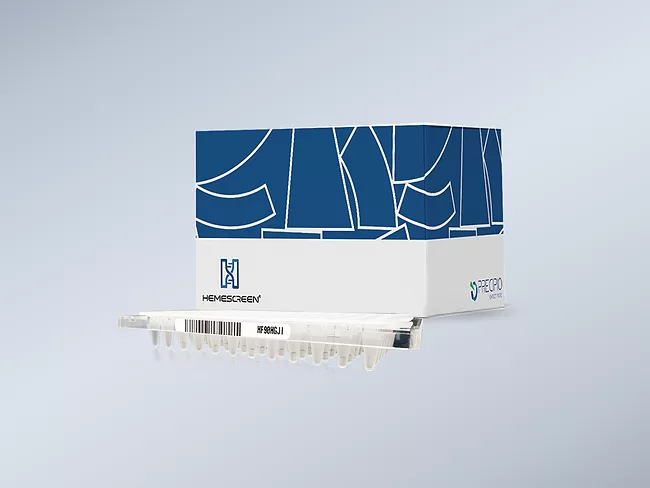
Precipio Inc. reported the launch of its Hemescreen anemia panel, part of a suite of diagnostic tests that run on the Hemescreen physician office laboratory (POL) testing system. The new panel is intended to help physicians tackle a difficult challenge – deciphering anemias of unknown cause.
The FDA’s Accreditation Scheme for Conformity Assessment (ASCA) program promises to smooth out the path from development to market access for device makers, but there are a few potential biocompatibility hiccups. Among these is that any customized preparation of a sample for biocompatibility testing would render that product ineligible for the ASCA pilot, but a product containing nanomaterials is also not eligible because of concerns over biocompatibility.
Holly Hand, a New York-based senior project manager overseeing a clinical trial for Neuralstem Inc. (now Seneca Biopharma Inc.), agreed to pay $103,875 to resolve an SEC complaint of insider trading.
In a bid to bring more drug manufacturing back to the U.S. and to ensure an adequate supply of essential medicines, even in public health emergencies, the U.S. Department of Health and Human Services is forming a public-private consortium on advanced manufacturing and the onshoring of domestic production.
The American Clinical Laboratory (ACLA) filed an appeal to revive its lawsuit against the U.S. Health and Human Services challenging HHS’ overhaul of the medical clinical lab fee schedule over its “harmful regulatory overreach” that imposes an “unsustainable reimbursement model.”
The decision by the U.S. Centers for Medicare & Medicaid Services (CMS) to suspend the Medicare Coverage of Innovative Technology (MCIT) rule a second time was controversial, but CMS’s Tamara Syrek Jensen vowed that the agency has made no final decision. Jensen acknowledged that the agency has not foreclosed a full-blown rescission of the MCIT proposal, a not-implausible outcome given the prospect that legislation in the works in the House Energy and Commerce Committee could render the rule moot.
Early feasibility studies for cardiology devices were a massive problem for the FDA and industry in times gone by, a problem that was believed to drive device flight from the U.S. That problem has been largely solved, according to the FDA’s Andrew Farb, but Farb noted that neurological devices are the next target for improved early feasibility study (EFS) development in the U.S., which suggests that the path to pivotal studies for devices in this space will soon be much less cumbersome.
Medtronic plc is ceasing global sales and distribution of its Heartware ventricular assist device (HVAD) due to safety concerns. The news sent Medtronic shares down about 1% in early morning trading. The Dublin-based company said it made the decision to stop selling the HVAD left ventricular assist device after clinical comparisons found a higher frequency of neurological adverse events, including stroke and mortality, with its heart pump device vs. other circulatory support systems.
The U.S. Federal Trade Commission (FTC) is turning the biopharma industry’s claim about rebates on its ear, saying some rebates paid to pharmacy benefit managers and third-party payers are an anticompetitive tool drug companies use to maintain their U.S. market power.
 RSS
RSS